
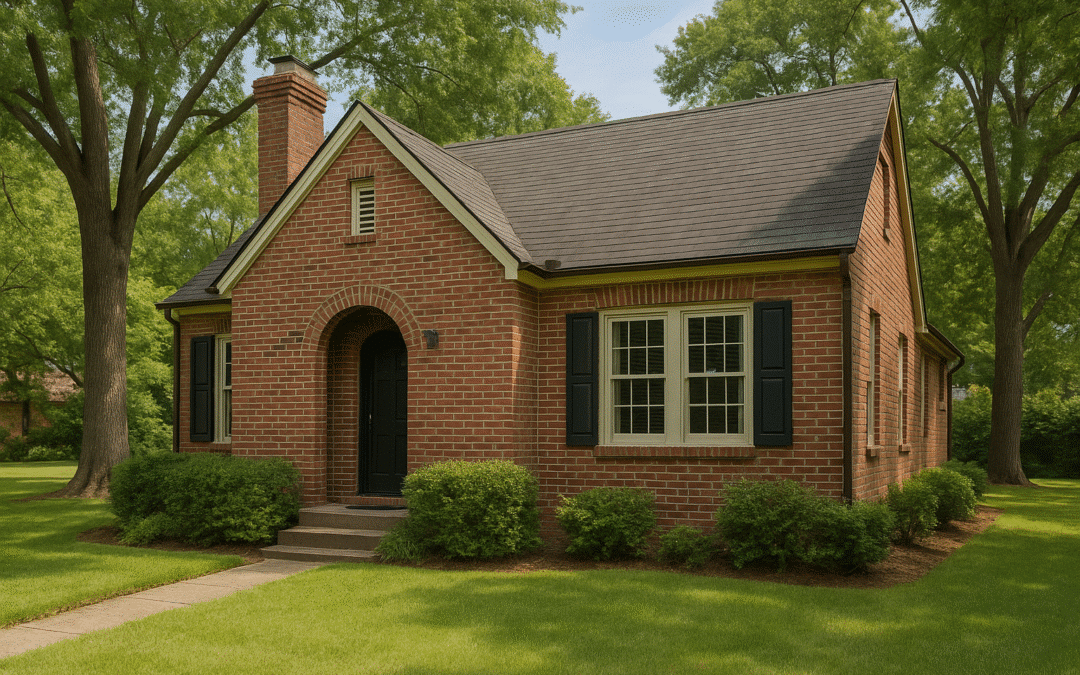
East Texas Has Character — and So Do Its Homes
From the tree-lined streets of Longview to the charming neighborhoods in Tyler and the historic homes scattered throughout Marshall and Kilgore, East Texas is full of houses with real personality.
Older homes often come with solid craftsmanship, unique architecture, and that “they-don’t-build-them-like-this-anymore” appeal. But they also come with age — and that means hidden issues that may not be obvious at first glance.
That’s where a professional home inspection becomes invaluable. For buyers, sellers, and current homeowners alike, understanding the condition of an older East Texas home is key to preserving its charm while preventing costly surprises.
1. Why Older East Texas Homes Require Special Attention
East Texas has a humid subtropical climate — hot summers, mild winters, and plenty of rain. Over decades, that environment can take a toll on building materials.
Even well-built older homes can experience:
- Foundation movement: Expansive clay soil in our region expands and contracts, often causing cracks and uneven settling.
- Outdated electrical wiring: Homes built before modern codes may still have aluminum wiring or ungrounded outlets.
- Plumbing wear: Galvanized pipes corrode from the inside, leading to leaks or reduced water pressure.
- Aging HVAC systems: Older units may run inefficiently or struggle with East Texas humidity.
- Roof deterioration: Prolonged exposure to heat and storms can weaken shingles or flashing.
These aren’t dealbreakers — but they are discoverable issues that a detailed inspection can bring to light before they turn into major repairs.
2. The Foundation Factor: East Texas Clay and Movement
One of the most common concerns in East Texas homes, regardless of age, is foundation movement.
The soil here is clay-rich, which means it expands when wet and contracts when dry. Over time, that shifting can cause:
- Diagonal cracks in walls or ceilings
- Doors and windows that stick or misalign
- Uneven floors
- Gaps between bricks and mortar joints
A qualified home inspector doesn’t just note cracks — they evaluate drainage patterns, grading, and moisture conditions to determine whether movement is active or historic.
💡 If you own or are buying an older home, foundation evaluation is one of the first things you’ll want in your inspection report.
Read About Foundations in East Texas
3. Electrical Systems: Safety Meets Modern Living
Homes built before the 1980s often have electrical systems that no longer meet today’s safety or capacity standards.
An inspection will identify:
- Outdated fuse boxes or undersized panels
- Two-prong outlets without grounding
- Knob-and-tube or aluminum wiring, which can be fire hazards
- Improper DIY modifications made over the years
These aren’t just compliance concerns — they’re safety issues. A thorough home inspection helps homeowners plan electrical updates that support modern appliances and technology safely.
Understanding Your Home Inspection Report
4. Plumbing and Water Intrusion Concerns
Older East Texas homes often feature a mix of plumbing materials — some of which may be past their prime.
Common issues inspectors find include:
- Galvanized or polybutylene pipes
- Slow drains or leaks hidden behind walls
- Low water pressure
- Water stains on ceilings or subfloors
And because East Texas experiences heavy rainfall, moisture intrusion is a recurring issue — particularly in crawlspaces and basements.
A good inspector will check:
- Ventilation and humidity levels
- Signs of fungal or microbial growth
- Proper grading around the foundation
- The condition of vapor barriers and insulation At Palmer Inspections, we go Above & Beyond in our Home Inspections to give you Peace of Mind.
5. Roofs and Attics: The Unsung Heroes
In older homes, roofs often reflect decades of patchwork or partial replacements. Over time, heat, humidity, and storms wear away at even the best materials.
Inspectors assess:
- Shingle condition and remaining life
- Flashing integrity around chimneys and vents
- Evidence of leaks in the attic
- Proper ventilation and insulation
An aging roof doesn’t necessarily mean replacement is immediate — but knowing how much life remains can help homeowners budget wisely.
6. Structural Integrity and Additions Over Time
Many older East Texas homes have been modified over the years — additions, converted garages, enclosed porches, or remodeled interiors.
A home inspection helps ensure those changes were done safely and to code.
Inspectors look for:
- Proper support beams and load-bearing walls
- Signs of sagging or uneven flooring
- Framing quality in newer sections
- Any structural compromises hidden behind renovations
7. The Comfort Factor: HVAC and Energy Efficiency
Older homes weren’t built with today’s insulation or air-sealing standards in mind. That’s why many East Texas homeowners notice drafts, uneven heating, or higher-than-expected utility bills.
During an inspection, HVAC systems are evaluated for:
- Age and efficiency rating
- Filter condition and maintenance history
- Proper airflow and duct integrity
- Safety of gas furnaces and flues
Inspectors may also recommend simple upgrades like adding attic insulation or sealing ductwork — small steps that make a big difference in comfort and cost.
8. Why a Home Inspection Is a Smart Investment
A home inspection doesn’t just uncover issues — it provides clarity and confidence. For buyers, it’s about knowing what you’re getting into. For sellers, it’s about transparency and smoother transactions.
In older homes, the inspection report can help:
- Prioritize repairs and maintenance
- Strengthen negotiation power during purchase
- Prevent expensive surprises
- Preserve historic charm safely
And when done by a qualified local professional, the insights are specific to East Texas’s unique climate and soil conditions.
9. Palmer Inspections: Understanding East Texas Homes Inside and Out
At Palmer Inspections, we’ve evaluated hundreds of homes across Longview, Tyler, Kilgore, and surrounding East Texas communities — from historic craftsman-style houses to ranch homes and mid-century builds.
Our inspections include:
- Detailed structural and system analysis
- Infrared imaging for hidden moisture or insulation gaps
- Foundation, roof, and drainage evaluations
- Easy-to-understand digital reports with photos and recommendations
Whether you’re buying, selling, or maintaining an older property, we’re here to help you make informed decisions — with honesty, clarity, and a true understanding of how East Texas homes age over time.