
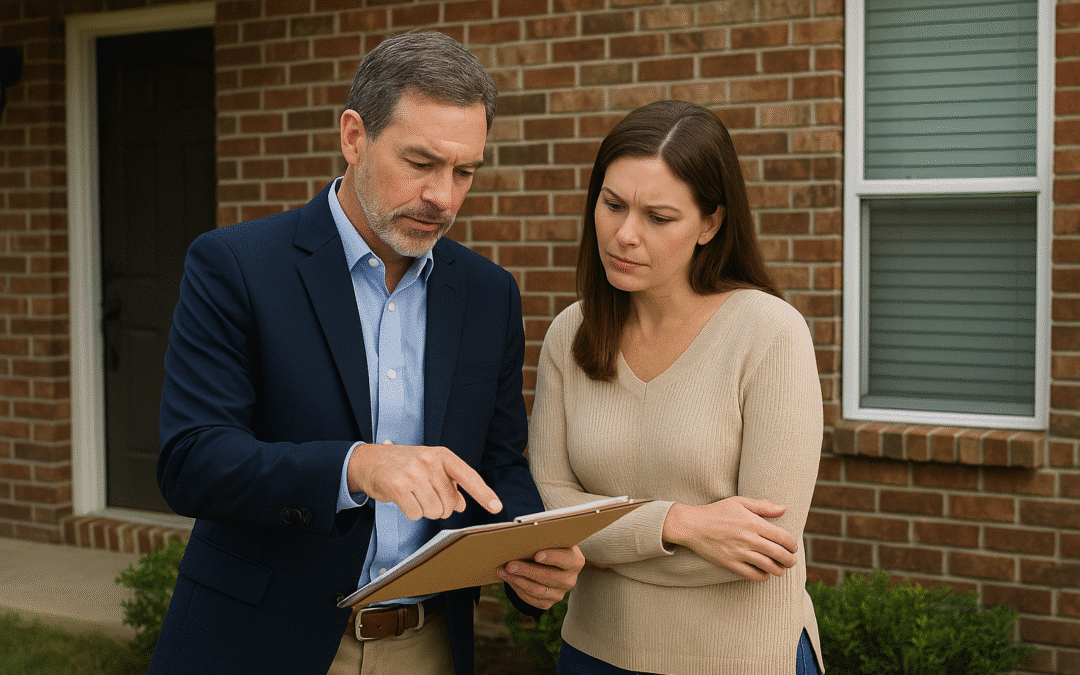
Selling a home is exciting, but it can also be stressful. You put the house on the market, line up showings, and start dreaming about your next move. Then suddenly—an inspection report comes back with surprises that slow everything down.
For homeowners in Longview, Tyler, and other East Texas communities, certain hidden issues can turn a smooth sale into weeks of back-and-forth negotiations. The good news? Many of these problems can be spotted and addressed ahead of time if you know what to watch for.
Why Small Issues Can Have a Big Impact
Buyers in today’s market expect transparency. When a home inspection uncovers hidden issues, it doesn’t just raise red flags—it can also make buyers hesitant, even if the problems are manageable. Deals can be delayed while everyone debates repairs, pricing adjustments, or contractor estimates.
Understanding the common culprits puts you one step ahead.
Foundation Concerns
East Texas is no stranger to shifting soil. Our clay-rich ground expands with rain and contracts during dry spells, putting pressure on foundations. Even small cracks in brickwork or uneven floors can make buyers nervous.
- Impact on sale: Buyers may demand repairs or walk away entirely.
- Tip for sellers: Keep an eye on cracks around windows, doors, and exterior brick. If you notice signs of movement, have them evaluated before listing.
Roof Wear and Damage
Texas sun, thunderstorms, and even the occasional hailstorm take a toll on roofs. Missing shingles, worn flashing, or poor drainage in gutters often show up during inspections.
- Impact on sale: Buyers may push for a new roof or a credit toward replacement.
- Tip for sellers: Schedule regular roof maintenance and clear gutters before putting your home on the market.
HVAC Strain
Summers in Longview and Tyler are long and hot. That means HVAC systems often run nonstop—and older units sometimes show their age. Inspectors may flag inefficient cooling, dirty ductwork, or signs of poor maintenance.
- Impact on sale: Buyers worry about replacement costs, which can lead to tough negotiations.
- Tip for sellers: Change filters, schedule service, and keep maintenance records to reassure buyers.
Plumbing Problems
Even small leaks can become big sticking points in a sale. Inspectors often find slow drains, corroded pipes, or water heater issues. In older homes, outdated plumbing materials may also raise concerns.
- Impact on sale: Negotiations may stall while repair estimates are obtained.
- Tip for sellers: Fix visible leaks and check that sinks, toilets, and water heaters are in good working order before listing.
Electrical System Red Flags
Outdated wiring, overloaded panels, or missing GFCI outlets are common in older East Texas homes. Even if the home feels safe to live in, inspectors will note these items.
- Impact on sale: Buyers may see electrical issues as major safety risks.
- Tip for sellers: Consider having a licensed electrician evaluate older systems before buyers do.
Crawlspace and Attic Surprises
Crawlspaces and attics are easy to overlook, but inspectors never skip them. In East Texas, these areas often reveal excess moisture, inadequate insulation, or signs of pests.
- Impact on sale: Moisture or microbial growth can alarm buyers and delay closing.
- Tip for sellers: Check ventilation, repair damaged insulation, and look for signs of leaks before listing.
How Sellers Can Get Ahead
While you can’t prevent every issue from showing up on an inspection report, being proactive goes a long way. Here’s how sellers in Longview and Tyler can reduce the risk of delays:
- Schedule a pre-listing inspection. This lets you find and fix issues on your timeline, not the buyer’s.
- Take care of small repairs. Loose doorknobs, leaky faucets, or broken gutters may seem minor but add up in buyers’ minds.
- Keep maintenance records. Showing proof of HVAC servicing, roof repairs, or electrical updates builds trust.
Final Thoughts
Hidden issues are part of almost every home, but when you’re selling, they don’t have to derail your plans. By understanding the most common concerns—and addressing what you can ahead of time—you’ll save yourself time, stress, and costly delays.
Do you have questions about your home’s condition, or is there a topic you’d like us to cover in a future blog? Let us know—we love helping East Texas homeowners feel confident about their homes and their next steps.