
Cold Snaps Happen — Even in East Texas
East Texas winters may not bring weeks of snow, but when those sudden freezes and wet spells hit, they can cause real damage to homes that aren’t prepared. Pipes can burst, roofs can leak, and HVAC systems can struggle just when you need them most.
A little bit of winter maintenance goes a long way toward preventing headaches and costly repairs later. Here’s what East Texas homeowners should check — right now — to keep their homes protected all season long.
1. Protect Pipes Before Freezing Temps Hit
Even one hard freeze can cause uninsulated pipes to burst, especially in older East Texas homes.
Quick pipe protection checklist:
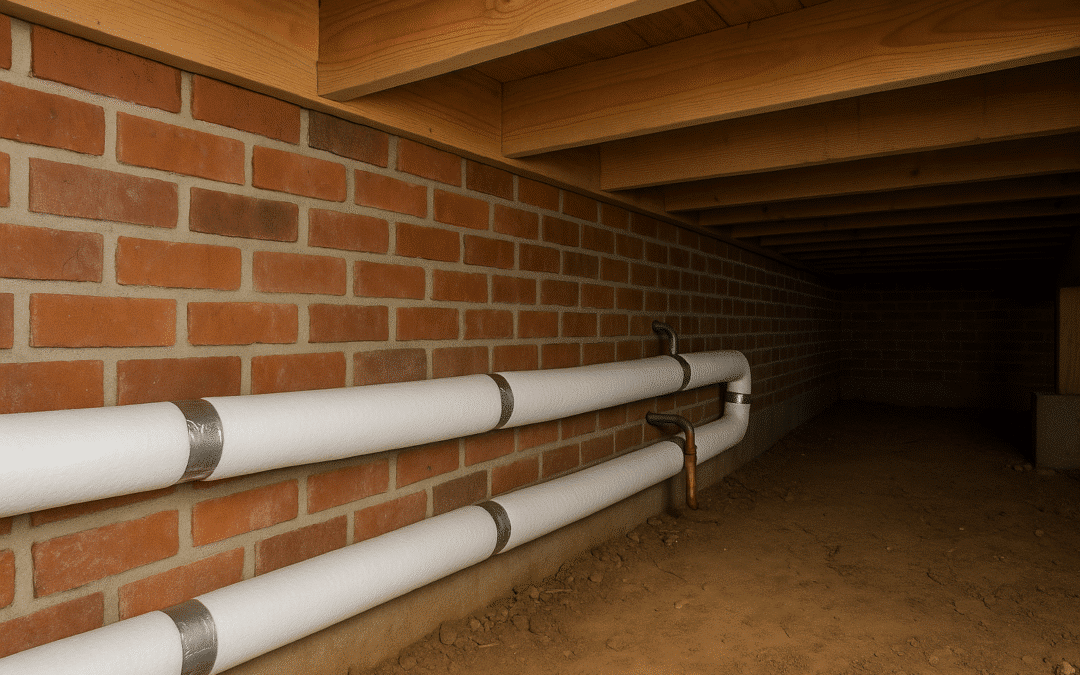
- Wrap exposed pipes in garages, attics, and crawlspaces with foam insulation.
- Disconnect and drain garden hoses — then install insulated faucet covers.
- Let faucets drip overnight during hard freezes to keep water moving.
- Keep cabinet doors open under sinks so warm air can circulate.
- Know the location of your main shut-off valve — just in case.
💡 Pro Tip: For well systems or exterior water lines, consider heat tape for added freeze protection.
2. Check Your Roof and Gutters Before the Next Cold Rain
In East Texas, we may not get much snow, but winter storms can bring heavy rain, ice, and wind — all of which test your roof and drainage system.
Here’s what to look for:
- Missing, curled, or damaged shingles
- Clogged gutters and downspouts
- Standing water near your foundation
- Rusted or loose flashing around vents and chimneys
If you see sagging or water stains inside the attic, that’s a sign moisture is already making its way in.
✅ Prevention tip: Have your roof inspected every year — small cracks or leaks are easier (and cheaper) to fix before spring storms arrive.
3. Seal Out Cold Drafts for Comfort and Efficiency
Energy efficiency isn’t just a summer concern. Keeping warm air inside during winter helps your HVAC system run better and your home stay comfortable.
Check for drafts by holding your hand near doors, windows, or outlets on a cold morning. If you feel air movement, seal it.
Easy fixes include:
- Weatherstripping around door frames
- Caulking gaps around windows and siding
- Installing door sweeps on exterior doors
- Adding insulation around attic access panels
💡 Bonus tip: A thermal imaging inspection (included with Palmer Inspections’ advanced home inspection services) can detect heat loss areas that aren’t visible to the eye.
Thermal Imaging in Your Home Inspection
4. Service Your Heating System
The last thing you want is a heating system that fails on the first cold night.
Do this now:
- Replace your air filter (every 30–60 days).
- Have your HVAC system professionally inspected.
- Listen for unusual noises or uneven heating between rooms.
- Test your carbon monoxide detectors — especially if you use gas heating.
Regular maintenance not only extends your system’s life but can also reduce winter energy costs — a win-win for comfort and efficiency.
5. Inspect Doors, Windows, and Weatherstripping
East Texas humidity can cause seals to wear faster than in drier climates. Check for gaps or brittle weatherstripping around doors and windows.
If light or air is leaking through, it’s time to replace it. New seals can make a noticeable difference in comfort and heating bills.
6. Keep an Eye on Your Foundation and Drainage
Winter rains can oversaturate East Texas clay soil, leading to foundation movement.
Quick inspection tips:
- Ensure your yard slopes away from your home.
- Keep gutters clean and downspouts extended at least 3 feet.
- Check for cracks in brick or slab areas — and monitor them through the season.
For older homes or properties on shifting soil, consider a professional inspection to assess drainage patterns and early signs of foundation stress.
Blog: East Texas Foundation Shifts: What Homeowners Should Watch For
7. Prepare for Power Outages
Winter storms can sometimes bring down trees or power lines. Have an emergency kit ready with:
- Flashlights and fresh batteries
- Bottled water
- Blankets and warm clothing
- A backup phone charger
If you use space heaters, keep them three feet away from anything flammable, and never leave them unattended.
8. Check Attics and Crawlspaces for Moisture or Pests
Cooler weather often drives rodents or moisture into hidden spaces. Take a flashlight and look for:
- Wet insulation or damp spots on rafters
- Signs of nesting or droppings
- Drafts or open gaps around vents or plumbing lines
Keeping these spaces sealed and dry prevents damage and keeps your home’s air quality healthy through winter.
We’ll go to the places you don’t want to: Schedule Now
Why Winter Maintenance Matters in East Texas
Even though our winters are short, the freeze–thaw cycle in East Texas can quietly cause major wear on your home’s structure, foundation, and mechanical systems.
By tackling this short checklist, you’ll:
- Prevent unexpected repair costs
- Improve energy efficiency
- Extend the life of your HVAC and plumbing
- Protect your home’s long-term value
Need Help Identifying Winter Weak Spots?
If you’d rather not crawl into attics or inspect your foundation yourself, Palmer Inspections offers detailed home inspections throughout Longview, Tyler, Kilgore, and surrounding East Texas areas.
Our reports include:
- Full interior and exterior evaluations
- Infrared imaging for hidden leaks or drafts
- Foundation and drainage assessments
- Professional recommendations for maintenance and repairs
A professional inspection can help you start the new year with confidence — knowing your home is safe, efficient, and ready for whatever winter brings.
Want to learn more? Check out Our Complete Guide to Home Inspections in East Texas