
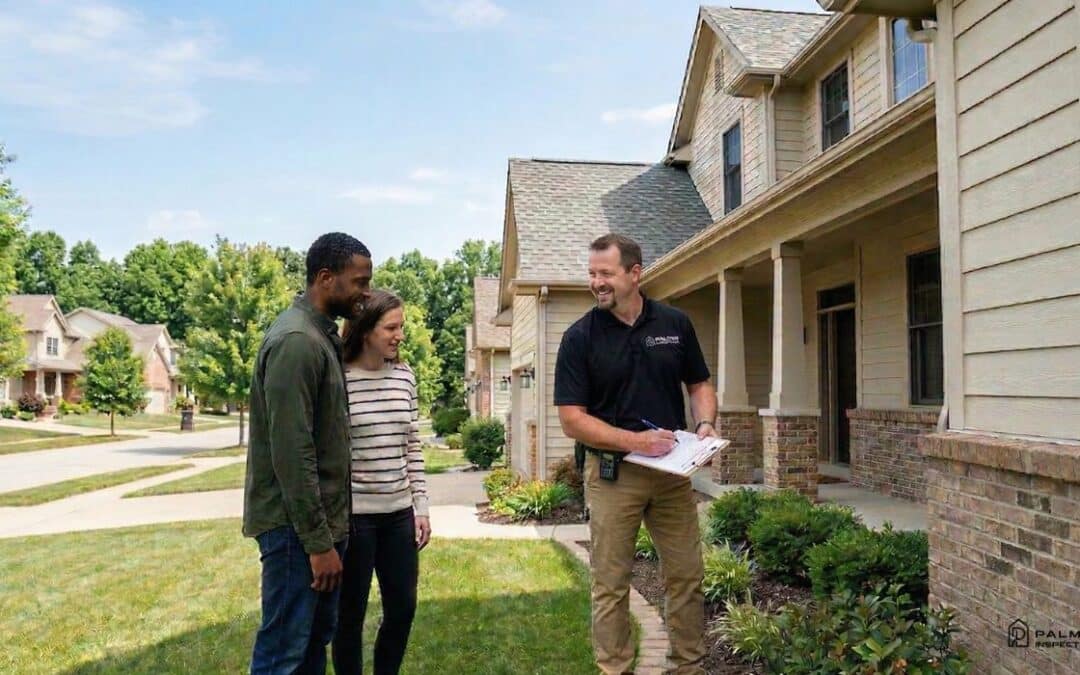
Buying a home is one of the biggest financial decisions you’ll make—and a Palmer Inspection helps ensure you’re making a smart one. Whether you’re a first-time buyer or experienced homeowner, understanding the inspection process can save you thousands in unexpected repairs.
This guide breaks everything down in a clear, practical way—so you know exactly what happens, what to look for, and how to prepare.
If you’re in East Texas, working with a trusted provider like Palmer Inspections ensures you get accurate, honest insights backed by local expertise.
What Is a Palmer Inspection?
A Palmer Inspection is a professional evaluation of a home’s condition, typically performed before buying or selling a property. It focuses on identifying safety issues, structural concerns, and necessary repairs.
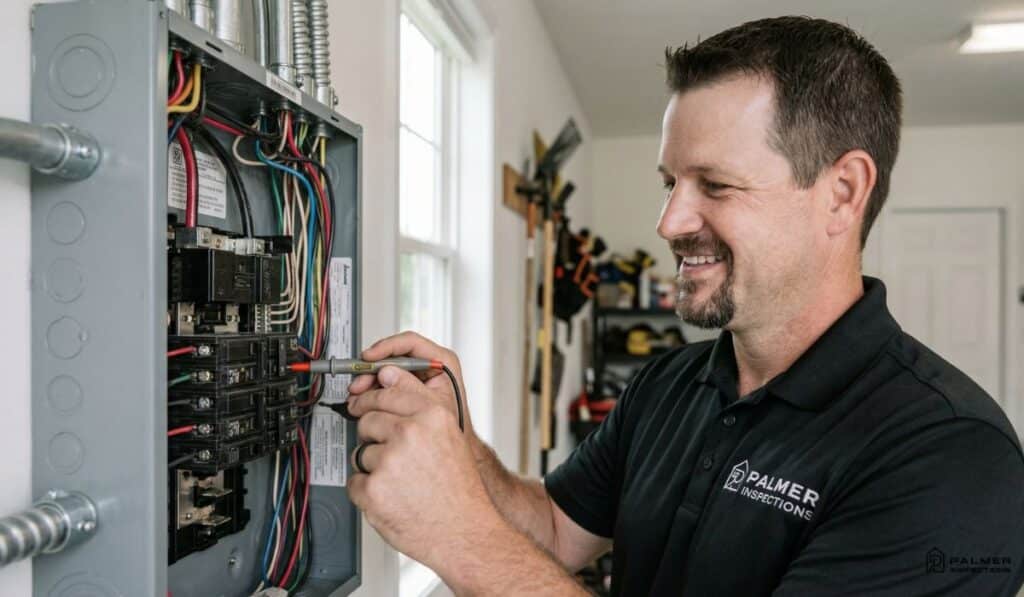
What makes it valuable?
- Helps buyers avoid costly surprises
- Gives sellers a chance to fix issues early
- Strengthens negotiation power
- Provides peace of mind
According to the American Society of Home Inspectors, a standard home inspection covers all major systems, from roofing to plumbing.
Want a smoother home buying experience? See how a professional inspection can help you avoid costly surprises.
Step-by-Step Home Inspection Process for Buyers
Understanding the step by step home inspection process for buyers helps you feel confident and prepared.
Step 1: Scheduling the Inspection
Once your offer is accepted, you’ll schedule your inspection—usually within 7–10 days.
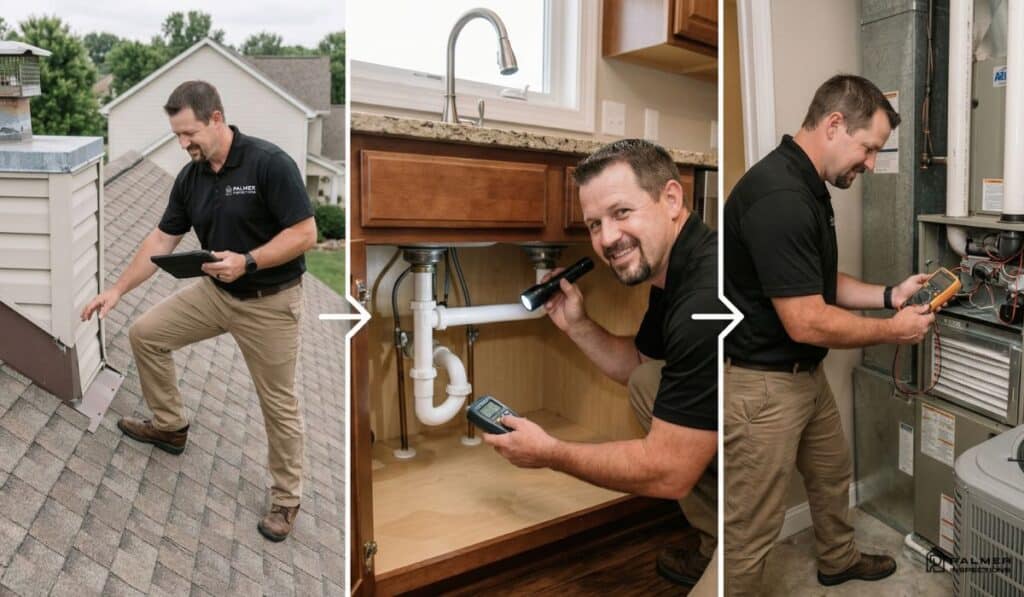
Step 2: Exterior Evaluation
Inspectors assess:
- Roof condition
- Foundation stability
- Drainage and grading
- Siding and exterior walls
Step 3: Interior Systems Check
Inside the home, inspectors review:
- Electrical systems
- Plumbing and water pressure
- HVAC systems
- Insulation and ventilation
Step 4: Structural Review
This includes:
- Attic framing
- Crawl spaces
- Load-bearing components
Step 5: Report Delivery
You’ll receive a detailed report outlining findings, often within 24 hours.
For a deeper overview of standards, refer to U.S. Department of Housing and Urban Development.
Ready to schedule your home inspection? Get fast, reliable service from certified professionals.
What to Expect During a Home Inspection Checklist
A what to expect during a home inspection checklist ensures nothing is overlooked during your Palmer Inspection.
Key Areas Covered
| Area | What Inspectors Look For |
|---|---|
| Roof | Shingles, leaks, damage |
| Foundation | Cracks, settling |
| Plumbing | Leaks, pipe condition |
| Electrical | Wiring safety, panel issues |
| HVAC | Functionality, age |
| Interior | Walls, ceilings, floors |
This aligns with a standard home inspection checklist used across the U.S.
Don’t wait until issues become expensive problems—secure your inspection slot before it’s booked.
What Do Home Inspectors Check Before Buying a House?
If you’re wondering what do home inspectors check before buying a house, here’s a practical breakdown.
Core Inspection Areas:
- Structural integrity (foundation, framing)
- Roof condition and lifespan
- Electrical and plumbing systems
- HVAC performance
- Moisture or mold risks
Inspectors follow nationally recognized standards such as those from International Association of Certified Home Inspectors.
Common Home Inspection Issues:
- Roof leaks
- Faulty wiring
- Plumbing leaks
- Foundation cracks
Gain peace of mind and make confident decisions with a detailed, easy-to-understand inspection report.
How to Prepare for a Home Inspection as a Buyer
Knowing how to prepare for a home inspection as a buyer can make the process smoother and more productive.
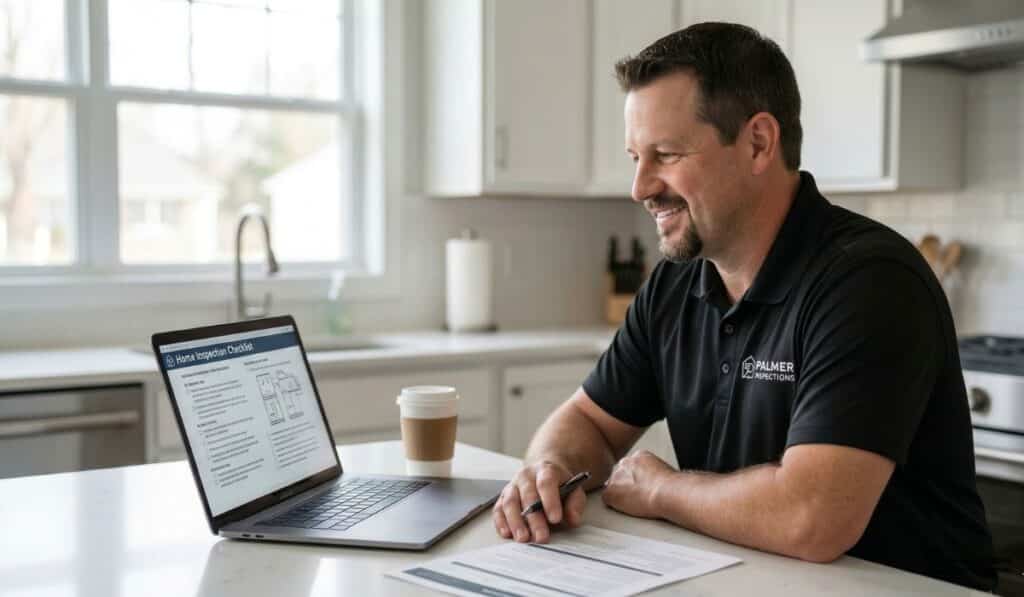
Simple Preparation Tips:
- Attend the inspection if possible
- Bring a checklist and take notes
- Prepare questions for the inspector
- Ensure utilities are on
- Review seller disclosures beforehand
Pro Tip:
Treat the inspection as a learning opportunity—not just a pass/fail test.
Trusted by homebuyers and agents—see why clients rely on Palmer Inspections for accurate, honest reports.
How Long Does a Home Inspection Take and What Happens?
A common question: how long does a home inspection take and what happens?
Typical Timeline:
- Small homes: 2–3 hours
- Larger homes: 3–5 hours
What Happens During the Inspection:
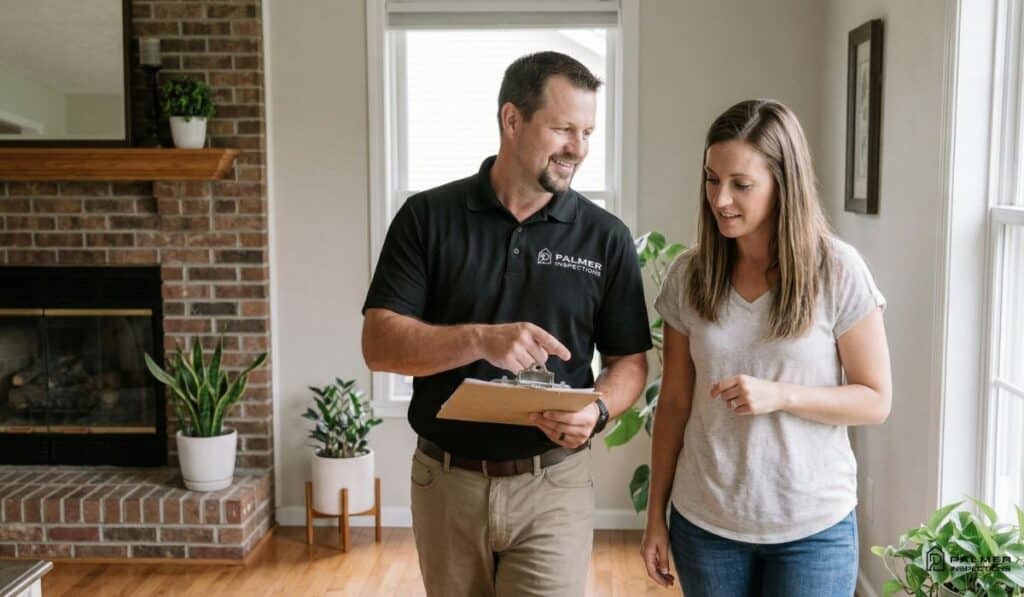
- Inspector walks through the property
- Documents findings with photos
- Notes safety concerns and defects
- Answers your questions on-site
After the Inspection:
You’ll receive a home inspection report sample format that includes:
- Detailed findings
- Photos
- Repair recommendations
Buying a home? Don’t skip the inspection.
Home Inspector in East Texas: Why Local Expertise Matters
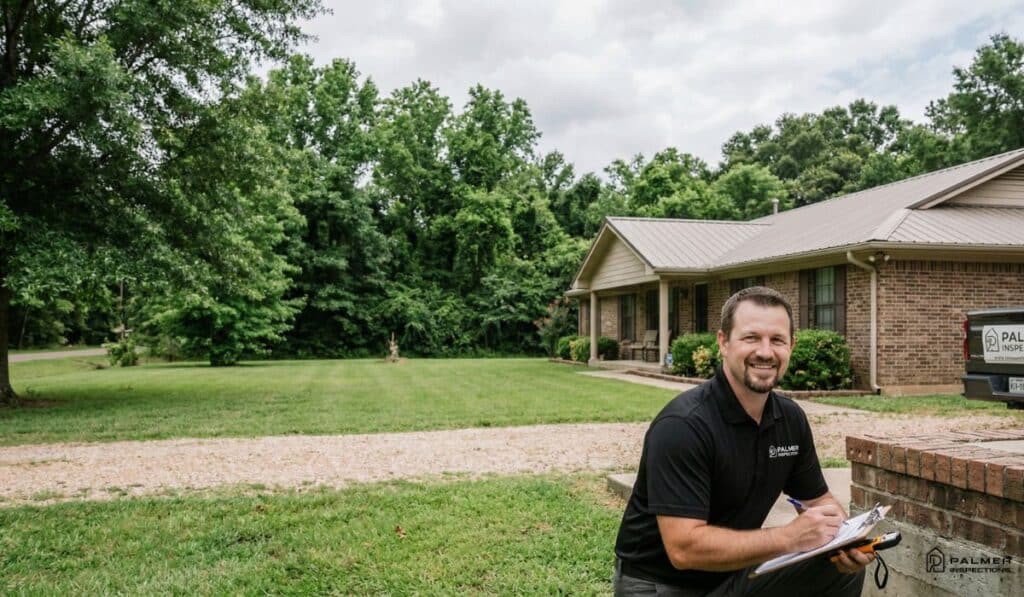
Choosing a Home Inspector in East Texas ensures your inspection accounts for local conditions.
Why It Matters in Longview, TX:
- Soil movement affects foundations
- High humidity impacts roofing and mold risk
- Seasonal storms can damage structures
We provide the premier home inspections in Longview, TX, Tyler, Kilgore, Hallsville, White Oak, Gladewater, Lakeport, Liberty City, Judson, East Mountain, Diana, Gilmer, Henderson, Marshall, Overton, New London, Tatum, Harleton, Big Sandy, Winona, Arp, Chandler, Lindale, Mineola, Bullard, Hawkins, and all surrounding areas!
For general guidance on regional housing conditions, visit National Association of Realtors.
Want a smoother home buying experience? See how a professional inspection can help you avoid costly surprises.
Inspection Day Walkthrough: What You’ll Experience
During your inspection day walkthrough, you’ll see firsthand how a Palmer Inspection works.
What to Expect:
- Real-time explanations from the inspector
- Identification of home inspection red flags
- Guidance on maintenance and repairs
Key Focus Areas:
- Roof and foundation inspection guide
- Electrical and plumbing inspection basics
- Structural inspection checklist
Ready to schedule your home inspection? Get fast, reliable service from certified professionals.
Key Takeaways
- A Palmer Inspection helps you avoid costly surprises
- It follows a structured property inspection process
- Reports provide actionable insights
- Local expertise matters—especially in East Texas
- Preparation improves your experience
Conclusion:
A Palmer Inspection is more than just a step in the buying process—it’s your protection against costly surprises and hidden risks.
By understanding what to expect during a home inspection checklist, following the step by step home inspection process for buyers, and learning how to prepare for a home inspection as a buyer, you’ll be equipped to make confident, informed decisions.
Whether you’re buying in Longview, TX or anywhere in the U.S., inspections provide clarity, leverage, and peace of mind.
Don’t wait until issues become expensive problems—secure your inspection slot before it’s booked.
FAQs:
1. What is included in a Palmer Inspection?
A Palmer Inspection covers major systems such as roofing, plumbing, electrical, HVAC, and the overall structure of the home.
2. Should I attend a Palmer Inspection?
Yes, attending a Palmer Inspection provides valuable insights and gives you the opportunity to ask questions directly.
3. Can a home fail a Palmer Inspection?
No— a Palmer Inspection identifies issues, but the final decision ultimately rests with the buyer.
4. How soon do I receive the Palmer Inspection report?
You will typically receive your Palmer Inspection report within 24 hours after the inspection is completed.
5. Are Palmer Inspections required in every state?
Palmer Inspections are not legally required in every state, but they are highly recommended across the U.S.
6. What are the most common issues found during a Palmer Inspection?
Common issues found during a Palmer Inspection include roof damage, plumbing leaks, electrical hazards, and foundation problems.