
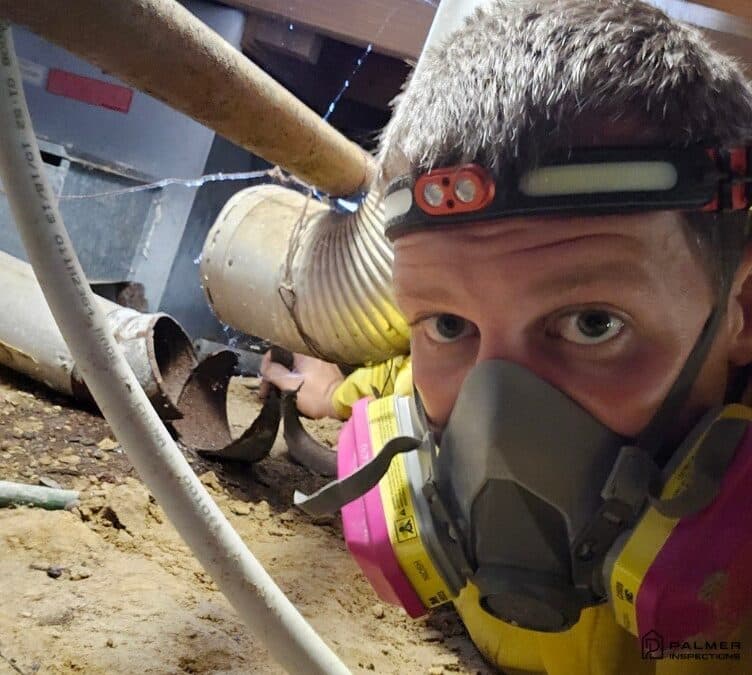
If you’re asking what happens if a home inspection finds problems, here’s the clear answer: it’s normal, it’s expected, and you have multiple paths forward. Most homes in East Texas, whether in Longview, Tyler, or Marshall, will show some issues during inspection. The key is understanding how to respond so you can protect your investment and make a confident decision.
For buyers, sellers, and agents, inspection results are not the end of a deal. They are a decision-making tool.
Need clear answers about a property right now?
Explore your options with a trusted inspection team.
Why It’s Normal for a Home Inspection to Find Issues
No home is perfect, not even new construction in growing areas like Lindale or Hallsville. Inspections are designed to uncover risks before they become your responsibility.
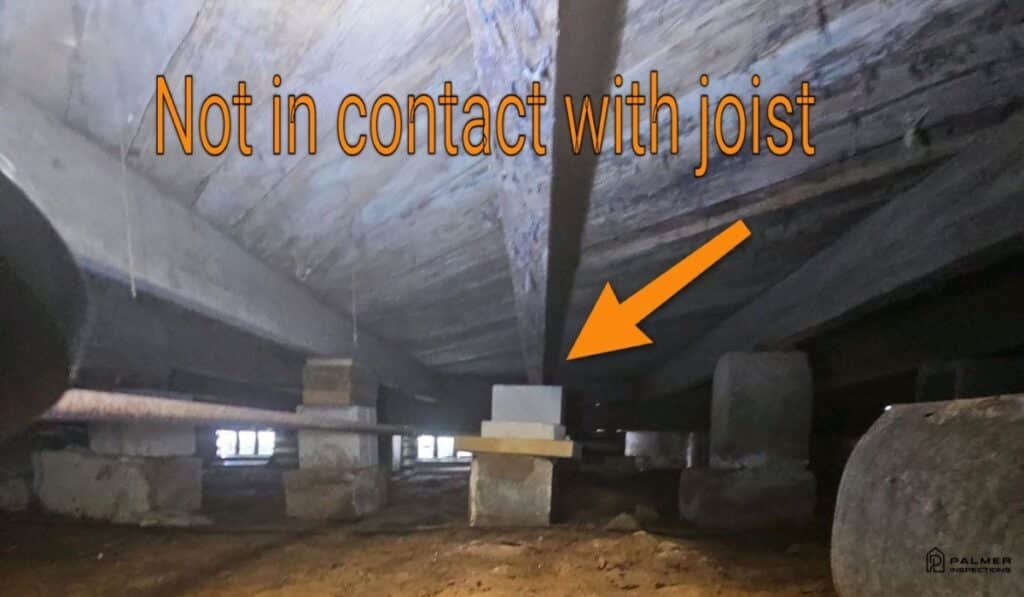
- Minor electrical or plumbing issues
- Roof wear or aging shingles
- HVAC maintenance concerns
- Termite or moisture damage
These issues are common and often manageable.
Want to avoid surprise repair costs after closing?
Schedule a detailed inspection before you commit.
The 3 Main Outcomes After a Home Inspection
When a home inspection finds problems, there are three realistic outcomes.
1. Move Forward As-Is
If the issues are minor, you may decide to proceed without asking for repairs.
This often happens when:
- Repairs are low-cost
- The market is competitive, like in Tyler
- You’re comfortable handling fixes
2. Negotiate Repairs or Price
This is the most common outcome in East Texas real estate.
You can request:
- Repairs before closing
- Seller credits
- Price reductions
Focus on major concerns:
- Structural issues
- Roofing problems
- HVAC failures
- Plumbing or electrical hazards
- Termite or septic damage
3. Walk Away From the Deal
Sometimes, walking away is the smartest move.
This happens when:
- Repairs are too costly
- There are serious structural problems
- The seller won’t negotiate
Book an inspection before your option period ends.
What Happens If a Home Inspection Finds Problems in East Texas?
Local Factors That Matter
In East Texas, inspection results are influenced by:
- Expansive clay soil affecting foundations
- High humidity causing mold and wood rot
- Termite activity in wooded areas like Gilmer or Diana
- Aging septic systems in rural homes
Understanding these factors helps you interpret findings more accurately.
How Buyers Should Respond Step-by-Step
Step 1: Review the Report Carefully
Focus on major issues, not cosmetic flaws.
Step 2: Talk to Your Agent
They’ll help prioritize requests and guide negotiations.
Step 3: Prioritize Repairs
Focus on:
- Safety hazards
- Expensive systems
- Structural concerns
Step 4: Submit a Repair Request
Keep it reasonable and strategic.
Step 5: Decide Your Next Move
Proceed, renegotiate, or walk away.
Want expert guidance before making a decision?
Request a professional inspection consultation.
What Sellers Should Expect
If you’re selling in East Texas, inspection findings are part of the process.
Buyers may:
- Request repairs
- Ask for credits
- Renegotiate terms
Smart Seller Strategies
- Get a pre-listing inspection
- Fix major issues early
- Be transparent
Selling your home? Get ahead of buyer objections.
Book a pre-listing inspection today.
What Real Estate Investors Should Know
Investors focus on numbers, not emotions.
When evaluating properties in Marshall or Overton:
- Estimate repair costs accurately
- Factor in ROI
- Use inspection findings as leverage
Common Deal-Breakers to Watch For
Some issues deserve serious attention:
- Major foundation damage
- Roof replacement needs
- Extensive termite damage
- Failing septic systems
- Unsafe electrical systems
If multiple major issues appear, reconsider the deal.
For additional guidance on evaluating home condition and safety, refer to trusted housing resources like the U.S. Department of Housing and Urban Development.
How Inspection Findings Affect Negotiation Power
Inspection reports give buyers leverage when used correctly.
Tips:
- Stick to facts
- Focus on costly repairs
- Stay calm and professional
- Be willing to compromise
The Emotional Side of Inspection Results
It’s normal to feel overwhelmed when issues are found.
You might feel:
- Nervous about costs
- Frustrated by surprises
- Unsure what to do next
But remember, the inspection is working in your favor.
Why a Home Inspection Is Still Worth It
Even when problems are found, inspections:
- Prevent costly surprises
- Provide negotiation leverage
- Help plan future repairs
- Give peace of mind
Make smarter decisions before you buy or sell.
Schedule your inspection now.
Conclusion
So, what happens if a home inspection finds problems? You gain clarity, control, and the ability to make a smarter decision. Whether you move forward, negotiate, or walk away, the inspection ensures you’re not stepping into the unknown.
For buyers, sellers, and agents across Longview, Tyler, Marshall, and surrounding East Texas areas, the goal isn’t perfection. It’s confidence.
Ready to move forward with confidence?
Schedule your inspection with a trusted local expert today.
FAQ:
Is it normal for a home inspection to find problems?
Yes. Almost every home inspection reveals issues, most of which are minor.
Can I back out after an inspection?
Yes, if your contract includes an inspection contingency.
Should I buy a house with problems?
Yes, if the issues are manageable and fit your budget.
Do sellers have to fix everything?
No, but they often negotiate repairs or credits.
What should I ask for after an inspection?
Focus on major repairs involving safety, structure, and key systems.