
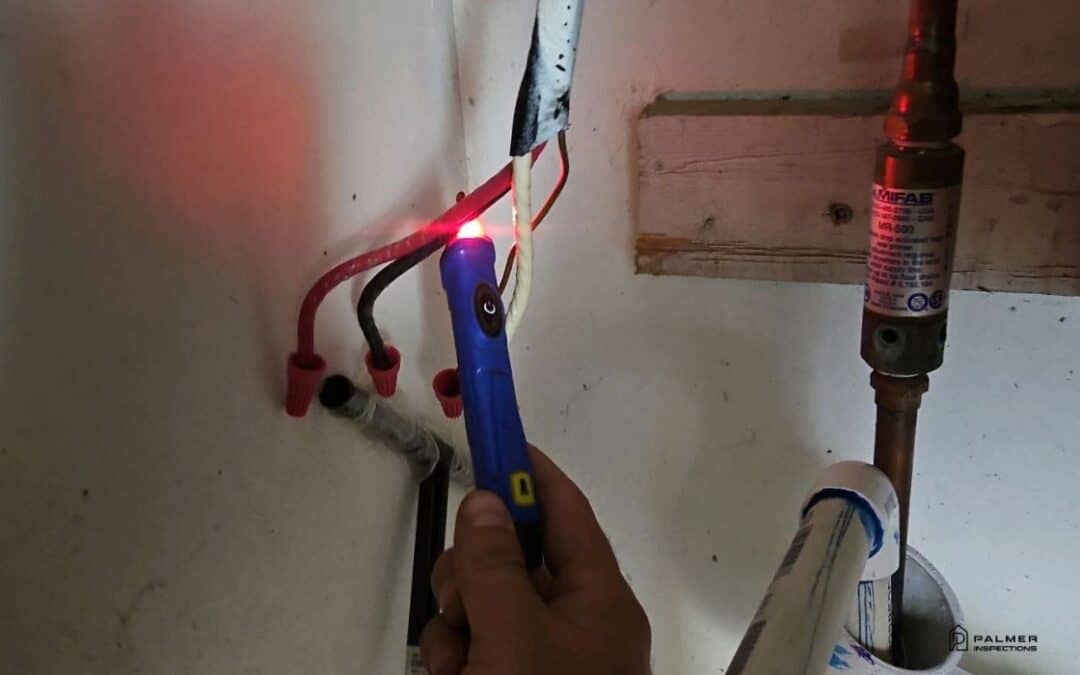
During a home inspection, a licensed inspector visually evaluates the home’s accessible systems and components to identify deficiencies, safety concerns, damage, and items that may need further evaluation. What happens during a home inspection typically includes checking the structure, roof, exterior, electrical, plumbing, HVAC, attic, insulation, and interior, followed by a written report.
The goal is not to pass or fail the home. It is to help you understand its condition so you can make a more informed decision.
What Does a Home Inspector Check?
A typical inspection may include:
- Foundation and structural components
- Roof and drainage
- Exterior walls, windows, and doors
- Electrical and plumbing systems
- Heating and cooling systems
- Attic, insulation, and ventilation
- Interior walls, ceilings, and floors
- Accessible crawl spaces
Texas inspectors follow minimum Standards of Practice established by the Texas Real Estate Commission.
Not sure what your property needs? Review Palmer Inspections’ home inspection services before scheduling.
How Long Does a Home Inspection Take?
Most home inspections take several hours. The exact time varies based on the home’s size, age, condition, accessibility, construction, and additional services.
Homes in Longview, Tyler, Marshall, Kilgore, Gladewater, and surrounding East Texas communities can vary considerably, so inspection times will not be identical.
What Problems Can a Home Inspection Find?
An inspection may reveal:
- Roof damage
- Drainage concerns
- Signs of structural movement
- Electrical deficiencies
- Plumbing leaks
- Moisture concerns
- HVAC problems
- Damaged insulation
- Deteriorated exterior materials
The important question is not simply how many issues are found, but which ones require repair, monitoring, or further evaluation.
A home inspection from Palmer Inspections can help you better understand the property’s condition before deciding what to do next.
What Isn’t Included in a Standard Home Inspection?
A standard inspection is primarily visual and does not uncover every concealed defect. Inspectors generally cannot see inside walls, underneath finished flooring, or behind permanently installed materials.
Some properties may also benefit from additional services, including WDI/termite inspections, septic inspections, or mobile/manufactured home inspections.
What Happens After the Inspection?
You receive a report explaining the inspector’s findings and recommendations. Pay particular attention to safety concerns, active leaks, structural conditions, major systems, and items requiring specialist evaluation.
Read the entire report rather than focusing only on the number of deficiencies.
Should You Attend the Home Inspection?
When practical, attending at least part of the inspection can be helpful. You may see important findings firsthand, learn about the home’s systems, and ask questions.
Ask your inspector when they recommend you attend.
What Questions Should You Ask?
Before scheduling, ask:
- What does the inspection include?
- How long should it take?
- Can I attend?
- When will I receive my report?
- Are additional inspections recommended?
- Can I ask questions afterward?
Learn more about Palmer Inspections and the East Texas areas Palmer Inspections serves before choosing an inspector.
Is a Home Inspection Pass or Fail?
No. A home inspection is an information-gathering process, not simply a pass-or-fail test.
The most useful question is: What was found, why does it matter, and what should I do next?
If you are preparing to buy or evaluate a property, contact Palmer Inspections to discuss the appropriate inspection services for the home.
Frequently Asked Questions
Do new homes need inspections?
Yes, new homes can still have installation deficiencies, incomplete work, or other observable concerns.
Is a termite inspection included?
Not necessarily. Ask whether a separate WDI/termite inspection should be scheduled.
What if the home has a septic system?
Ask whether a separate septic inspection is appropriate rather than assuming it is included with the standard inspection.
What if the inspector finds a major problem?
Understand the finding and recommendation first. When appropriate, obtain further evaluation from a qualified specialist before making your next decision.