
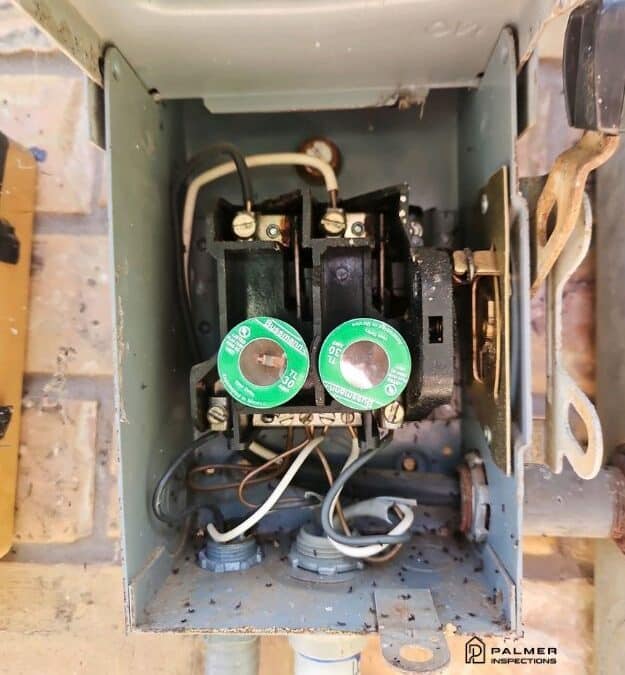
A standard home inspection generally covers the home’s accessible structure, foundation, roof, electrical system, plumbing, HVAC, installed appliances, attic, and other visible components. In Texas, inspectors follow minimum Standards of Practice established by the Texas Real Estate Commission (TREC), but an inspection is a visual evaluation and cannot uncover every hidden problem.
For buyers, especially first-time homebuyers, understanding what is included helps set realistic expectations and identify when additional services may be useful.
What Areas of the House Are Inspected?
A standard Texas home inspection generally evaluates accessible components of the:
- Foundation and structural systems
- Roof and attic
- Interior and exterior
- Electrical system
- Plumbing system
- Heating and cooling systems
- Installed appliances
- Doors, windows, stairs, and porches
The word accessible is important. Inspectors generally don’t remove walls, flooring, or other materials to search for concealed conditions.
You can review the Texas Real Estate Commission Standards of Practice for more information about Texas inspection requirements.
If you’re preparing to buy or sell, reviewing what is covered by a home inspection from Palmer Inspections can help you understand what to expect before the appointment.
Are the Roof, Foundation, Electrical, Plumbing, and HVAC Included?
Yes. These major systems are generally included when present and accessible.
An inspector looks for observable deficiencies involving the roof and structure, electrical components, plumbing, heating, and cooling equipment. However, a standard inspection isn’t the same as an engineering analysis, HVAC service appointment, or specialized plumbing evaluation.
Practical tip: Read the specific findings in your inspection report instead of looking for a simple “pass” or “fail.”
Are the Attic and Appliances Inspected?
Yes. Accessible attic areas and applicable installed appliances are generally inspected.
An attic can reveal visible conditions involving framing, insulation, ventilation, ductwork, electrical components, and moisture. Applicable installed appliances may also be operated using normal controls.
An inspector can report how a component performed during the inspection but cannot predict exactly how long it will continue working.
What Isn’t Included in a Standard Home Inspection?
A standard home inspection does not cover every possible condition. Common limitations can include:
- Hidden or inaccessible components
- Cosmetic conditions
- Mold and environmental testing
- Lead or asbestos testing
- Remaining life expectancy of systems
- Certain underground components
- Termite/WDI evaluation as part of the standard inspection
If you’re unsure about the scope, contact Palmer Inspections before scheduling so you can determine which inspection services fit the property.
Are Termite/WDI Inspections Included?
Termite or WDI inspections should not automatically be assumed to be included with a standard home inspection. They are specialized inspections that should be confirmed separately.
Palmer Inspections offers termite and WDI inspections in East Texas for buyers who need this additional evaluation.
Practical tip: Ask whether you’re scheduling a home inspection, WDI inspection, or both.
Do I Need a Septic Inspection?
You may if the property has an on-site septic system. A septic inspection provides information that a standard home inspection may not.
This can be particularly relevant for rural properties around Longview, Tyler, Marshall, Kilgore, Gladewater, and surrounding East Texas communities. Palmer Inspections provides septic inspections in East Texas when this additional service is appropriate.
Know What’s Included Before You Schedule
Understanding what a home inspection includes helps you ask better questions and set realistic expectations. Before scheduling, confirm what is covered, what is excluded, and whether the property may benefit from specialized inspections.
For a clearer understanding of your options, explore the inspection services available from Palmer Inspections.
Frequently Asked Questions
Does a home inspection find every problem?
No. An inspection evaluates observable conditions within a defined scope. Hidden or inaccessible problems may not be discovered.
Does a home inspection include the roof?
Yes, generally, subject to accessibility, safety, and inspection limitations.
Is a home inspection pass or fail?
No. The inspection documents observable conditions so buyers and sellers can better understand the property and determine appropriate next steps.