
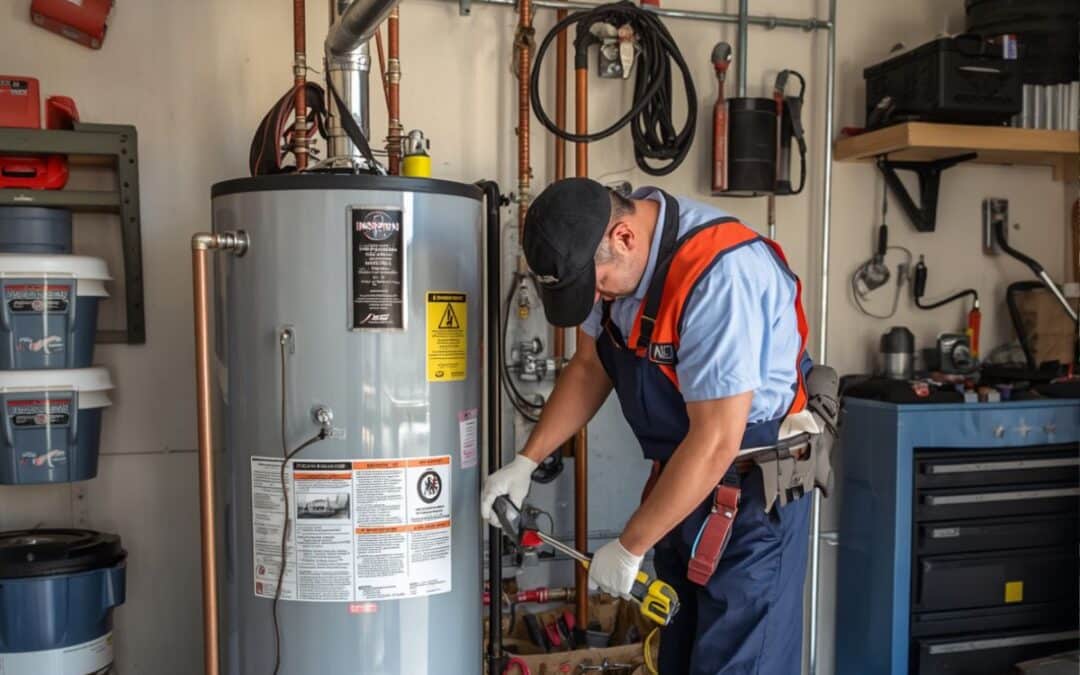
In East Texas homes—whether you’re in Longview, Tyler, or Marshall—your water heater is one of those systems you don’t think about until something goes wrong.
But like any major home component, it has a limited lifespan. The key is knowing what to look for before it fails—and that’s where a home inspection can help.
How Long Does a Water Heater Last?
Most water heaters fall into a general range:
- Traditional tank systems: 8–12 years
- Tankless systems: 15–20 years
That said, homes in East Texas often see shorter lifespans due to mineral content in the water and year-round humidity.
Over time, these factors can quietly wear down the inside of the tank—even when everything seems to be working fine.
What an Inspection Can Tell You
A home inspection goes beyond checking if hot water is running. It helps uncover early signs of wear that most homeowners don’t notice.
Signs of Sediment Buildup
Minerals in the water settle at the bottom of the tank over time.
This can lead to:
- Reduced heating efficiency
- Popping or rumbling sounds
- Extra strain on the system
In East Texas, this is one of the most common issues inspectors see.
Early Signs of Rust or Corrosion
Corrosion doesn’t happen overnight—but once it starts, it doesn’t reverse.
During an inspection, we look for:
- Rust around fittings and connections
- Discolored water
- Wear on key components like the anode rod
If rust reaches the tank itself, replacement is usually not far off.
Small Leaks That Turn Into Bigger Problems
A slow leak may not be obvious at first, but it can cause damage over time.
Inspectors check for:
- Moisture around the base
- Drips at valves or connections
- Signs of previous water exposure
Catching this early can prevent flooring damage or mold concerns.
Safety and Proper Installation
Water heaters need to be installed correctly to operate safely.
An inspection helps verify:
- The pressure relief valve is in place and functional
- Proper venting (for gas systems)
- Secure and stable setup
- No visible safety concerns
These details matter more than most homeowners realize.
Age and Overall Condition
Many homeowners aren’t sure how old their water heater is.
An inspector can:
- Identify the unit’s age
- Evaluate its current condition
- Give a realistic idea of how much life may be left
This is especially helpful during real estate transactions in East Texas.
Why This Matters for East Texas Homes
Homes in Longview, Tyler, and Marshall deal with a mix of:
- Humidity that speeds up wear
- Mineral-heavy water that causes buildup
- Seasonal temperature swings that stress components
Because of this, water heaters in the area often show internal wear before obvious failure.
Regular inspections help catch those issues early—before they turn into unexpected breakdowns.
When to Have Your Water Heater Checked
You might consider scheduling an inspection if:
- The unit is around 8 years old or more
- You hear unusual sounds from the tank
- Water appears slightly rusty or cloudy
- You’re buying or selling a home
You just want a clearer picture of your home’s condition
A Simple Way to Avoid Bigger Problems
Most water heaters don’t fail without warning—they just give subtle signs that are easy to miss.
A professional inspection helps bring those signs to light so you can make informed decisions, whether that means maintenance, monitoring, or planning ahead for replacement.
Final Thoughts
Your water heater may be out of sight, but it plays a major role in your home every day.
Taking the time to understand its condition—especially in East Texas homes—can help you avoid surprises and stay ahead of costly repairs.
Need a Home Inspection in East Texas?
If you’re in Longview, Tyler, or Marshall, a professional home inspection can give you a clear, honest look at your water heater and the rest of your home.
Schedule when you’re ready—we’re here to help you understand what’s going on behind the scenes.