
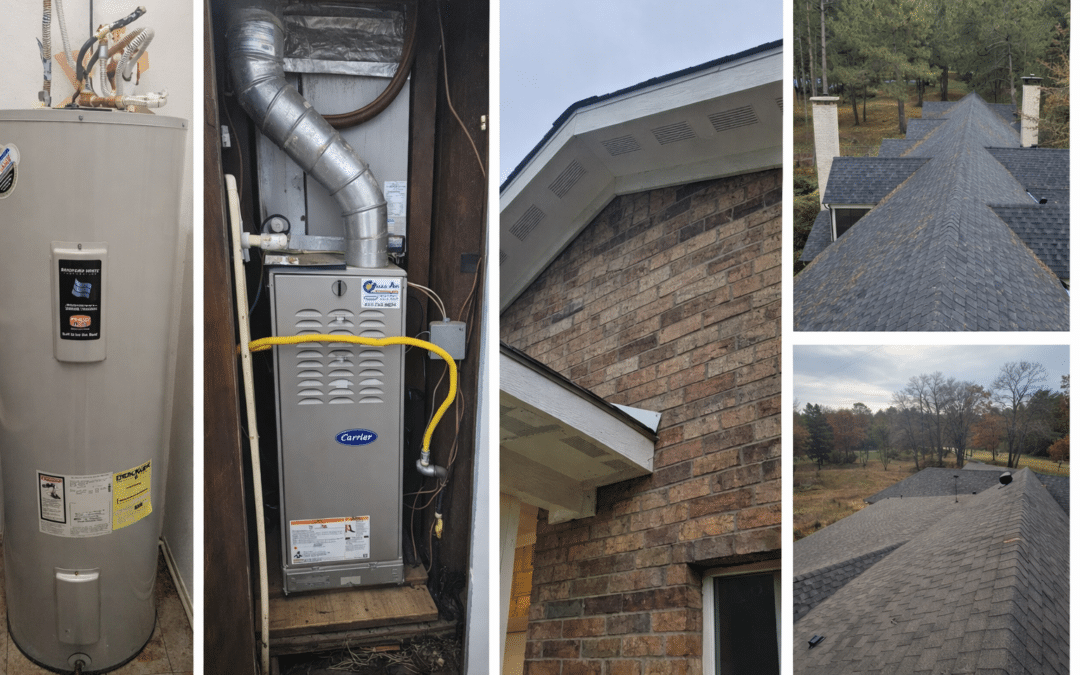
Introduction: What Are the Top Inspection Findings in East Texas?
The top inspection findings in East Texas typically include roof damage, foundation movement, drainage issues, moisture concerns, and aging systems like HVAC and plumbing. If you are buying or selling a home in Longview, Tyler, Kilgore, Marshall, or Henderson, these are the issues you are most likely to see during a home inspection.
That is not a bad thing. Every home has findings. The key is understanding what they mean, how serious they are, and what steps to take next.
This guide breaks down the most common inspection findings in East Texas homes so you can move forward with clarity and confidence.
Why These Inspection Findings Are So Common in East Texas
Homes in East Texas deal with a unique combination of environmental factors that directly impact their condition over time.
Key regional influences:
- High humidity levels
- Frequent rain and storms
- Expansive clay soil
- Long, hot summers
These conditions naturally lead to wear and tear. Even well maintained homes in Tyler or Longview will show some level of findings during an inspection.
Understanding this helps you avoid unnecessary stress and focus on what truly matters.
Top Inspection Findings in East Texas Homes
1. Roof Wear and Storm Damage
Roofing issues are one of the most common findings across East Texas.
What inspectors often see:
- Missing or damaged shingles
- Signs of hail or wind damage
- Worn flashing around vents and chimneys
- Aging materials
Why it matters:
Roof problems can allow water to enter the home, leading to interior damage over time.
In areas like Marshall and Kilgore, repeated storms can shorten the life of roofing materials faster than expected.
2. Foundation Movement and Cracking
Foundation movement is very common in East Texas due to soil conditions.
Common signs include:
- Cracks in brick or drywall
- Uneven floors
- Doors that stick or do not close properly
Why it matters:
Expansive clay soil expands when wet and shrinks when dry, causing movement.
Not all movement is serious, but understanding whether it is typical or concerning is important.
3. Drainage and Grading Problems
Water control around the home plays a major role in long term performance.
Inspectors frequently find:
- Water pooling near the foundation
- Improper slope around the home
- Missing or clogged gutters
Why it matters:
Poor drainage can contribute to both foundation movement and moisture intrusion.
A simple grading correction can often prevent much larger issues down the road.
4. HVAC System Wear and Inefficiency
In East Texas, HVAC systems work hard for much of the year.
Common findings:
- Dirty filters or coils
- Aging units
- Uneven cooling or airflow issues
- Lack of maintenance
Why it matters:
A system that struggles to keep up can lead to higher energy bills and unexpected replacement costs.
Homes in Longview and Henderson often see heavy HVAC use due to extended summer heat.
5. Plumbing Leaks and Moisture Issues
Water is one of the most important factors in any home inspection.
What inspectors look for:
- Leaks under sinks or around fixtures
- Corroded or aging pipes
- Moisture stains on ceilings or walls
Why it matters:
Even small leaks can cause long term damage if not addressed.
Moisture can also lead to microbial growth, especially in humid environments like East Texas.
6. Electrical System Deficiencies
Electrical issues are especially common in older homes throughout the region.
Typical findings:
- Outdated wiring
- Double tapped breakers
- Missing GFCI outlets
- Improper grounding
Why it matters:
Electrical deficiencies can present safety concerns and should be evaluated carefully.
7. Attic Insulation and Ventilation Problems
The attic plays a major role in both energy efficiency and moisture control.
Inspectors often find:
- Inadequate insulation
- Poor ventilation
- Excess heat buildup
Why it matters:
Improper attic conditions can lead to higher utility bills and reduced roof lifespan.
In hot climates like East Texas, attic performance is especially important.
8. Crawl Space Moisture and Ventilation Issues
Many homes in Marshall, Kilgore, and surrounding areas have crawl spaces.
Common findings:
- Damp or wet soil
- Missing vapor barriers
- Wood deterioration
- Limited airflow
Why it matters:
Crawl space conditions can affect both structural components and indoor air quality.
These areas are often out of sight, which makes regular inspection even more valuable.
9. Exterior Wood Rot and Trim Damage
Exterior components are constantly exposed to the elements.
Inspectors frequently note:
- Rotting fascia or soffits
- Damaged siding
- Deteriorated window trim
Why it matters:
Wood damage can allow moisture and pests to enter the home.
Humidity in East Texas accelerates deterioration if maintenance is delayed.
10. Appliance and Fixture Deficiencies
These findings are very common and usually less serious.
Examples include:
- Non functioning appliances
- Loose plumbing fixtures
- Improper installations
Why it matters:
While often minor, these issues can still impact usability and may become negotiation points during a transaction.
What These Findings Mean for Buyers, Sellers, and Agents
For buyers:
Inspection findings help you understand what you are purchasing and what to expect moving forward.
For sellers:
Knowing these common issues ahead of time allows you to prepare your home and reduce surprises during negotiations.
For agents:
Understanding these patterns helps you guide clients more effectively and set realistic expectations.
In markets like Tyler and Longview, this knowledge can make transactions smoother for everyone involved.
How to Prepare for a Home Inspection in East Texas
A little preparation can go a long way in creating a smoother inspection process.
Simple steps to take:
- Replace HVAC filters
- Ensure utilities are on
- Provide access to attic, crawl space, and electrical panels
- Clean gutters and improve drainage
- Address obvious leaks if possible
These steps help inspectors do a thorough job and provide clearer insights.
The Reality of Inspection Findings
One of the most important things to understand is this:
No home is perfect.
Even new construction homes in East Texas can have findings. The purpose of the inspection is not to pass or fail a home. It is to provide information so you can make a confident decision.
When you understand the top inspection findings in East Texas, you are better equipped to interpret the report and move forward without unnecessary stress.
FAQ: Top Inspection Findings in East Texas
1. What are the most common inspection findings in East Texas?
The most common findings include roof damage, foundation movement, drainage issues, HVAC wear, and moisture related concerns.
2. Should I be concerned about foundation cracks?
Not always. Minor cracks are common in East Texas due to soil movement. The key is determining whether the movement is typical or significant.
3. Can a home fail an inspection?
No. A home inspection is not a pass or fail process. It is an evaluation of the home’s current condition.
4. How long does a home inspection take?
Most inspections take between 2 to 4 hours depending on the size and condition of the home.
5. Are inspection findings negotiable?
Yes. Buyers and sellers often use inspection findings to negotiate repairs or adjustments before closing.
Final Thoughts: Turning Information Into Confidence
Understanding the top inspection findings in East Texas gives you a clear advantage whether you are buying, selling, or advising clients.
When you know what to expect, you can approach the process with confidence instead of uncertainty.
And when you have a clear, thorough inspection and someone who takes the time to explain it, you are in a much better position to make informed decisions every step of the way.