
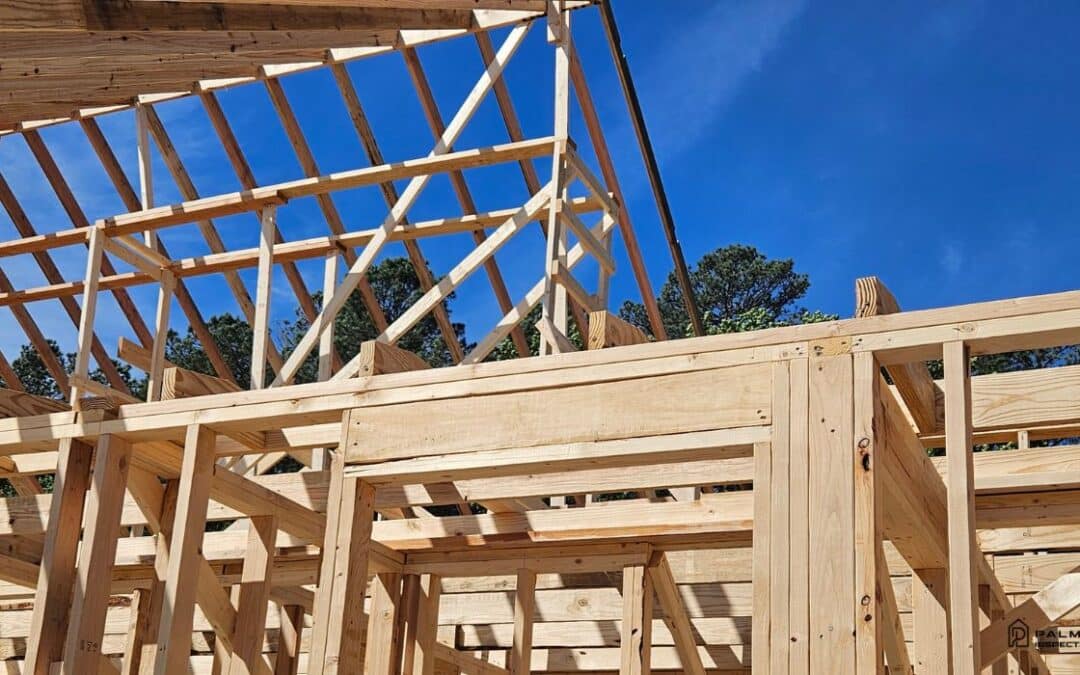
Buying a brand‑new home in East Texas is exciting, whether you’re settling in Longview, Tyler, Marshall, or any of the growing communities nearby. Even though your home is new, the role of inspections in new construction homes in East Texas remains critical. A professional inspection helps spot issues that city inspections may miss, helping protect your investment before closing.
Curious how inspections protect new construction value? Explore detailed inspection options at Palmer Inspections.
Municipal inspections ensure code compliance, but they do not represent your interests or reveal potential future problems. That’s where a detailed private inspection adds real value. Whether you’re a first‑time homebuyer, relocating buyer, real estate agent, or investor, inspections provide clarity and confidence.
Why New Construction Still Needs Inspections
Even well‑built homes can have issues. New construction involves many steps, subcontractors, inspections, and timelines. Mistakes can happen. In East Texas, specific regional factors make professional inspections especially valuable, including:
- Expansive clay soils that stress foundations
- Heavy seasonal rainfall
- Humidity‑related material impacts
- Termite risk and wood‑destroying insects
For insight into how inspections protect buyers nationwide, see this resource from the U.S. Department of Housing & Urban Development
The Role of Inspections in New Construction Homes
Professional inspections for new construction are typically done in phases. Each one gives you insight at a point where corrections are still easy and cost‑effective.
1. Foundation Inspection
Your foundation is the base of everything. In East Texas, soil conditions can create pressure on slabs and piers. A foundation inspection looks for:
- Improper grading or drainage
- Cracks or uneven settling
- Faulty reinforcement placement
- Moisture control issues
Catching these early protects your home’s long‑term stability.
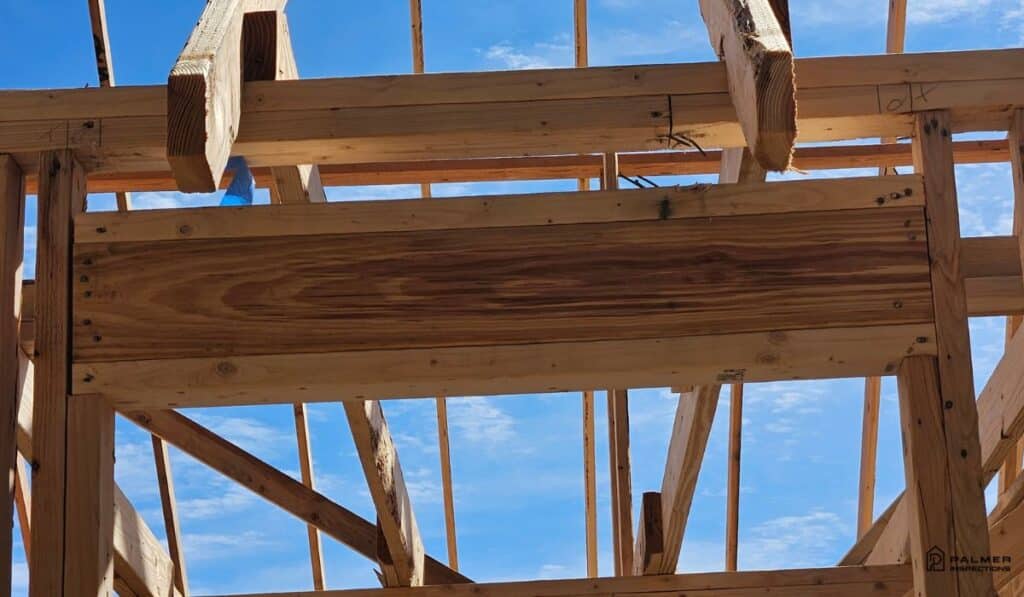
2. Pre‑Drywall Inspection
This phase happens before drywall and insulation are installed. Inspectors can see behind the walls and ensure systems are correctly built. This includes:
- Structural framing
- Electrical routing
- Plumbing installation
- HVAC ductwork
- Window and door fit
Finding issues now can save months of repairs later.
3. Final New Construction Inspection
Once the home is nearly complete, this inspection verifies that systems function properly and finishes are completed well.
Inspectors review:
- Roofing and attic
- Electrical systems
- Plumbing fixtures
- HVAC performance
- Exterior drainage
Ready for a comprehensive new construction inspection in East Texas? Book your inspection today.
4. Builder Warranty Inspection
Most builders include a one‑year warranty. A warranty inspection before that window closes is essential. Inspectors check for:
- Roof settlement
- HVAC issues
- Minor foundation movement
- Drainage corrections
- Grading adjustments
Your builder warranty may be expiring soon. Act now to schedule a warranty inspection before coverage ends.
Why City Inspections Alone Are Not Enough
City or municipal inspections focus on minimum code compliance — not overall workmanship or performance. They often happen under tight schedules and do not provide a full, buyer‑focused evaluation.
Private inspections dig deeper and give you a comprehensive understanding of your home’s condition, which is especially important in areas like Kilgore, Hallsville, and White Oak where growth is rapid.
Common New Construction Issues Inspectors Find
Even superb quality homes can have minor issues. Some frequent findings include:
- Incomplete insulation
- Loose electrical connections
- Window or door air leaks
- Plumbing drips
- Improper grading
- HVAC airflow imbalance
These are usually easy fixes when addressed before closing but harder once you have moved in.
Why First‑Time Homebuyers Benefit Most
First‑time buyers often assume new construction homes are without concern. Inspections educate you about how your home’s systems work and what to expect. They help you understand warranty coverage and maintenance needs and give you negotiating strength before closing.
Real Estate Agents Recommend New Construction Inspections
Local agents know that inspections help streamline deals and protect their clients. Agents see fewer surprises, stronger client satisfaction, and smoother closings when buyers schedule professional inspections.
Give your clients confidence and clarity with expert new construction inspections — learn how Palmer Inspections supports buyers and agents.
In towns like Gladewater, Gilmer, and Henderson, inspection expertise is part of a smart homebuying strategy.
Relocating Buyers: Extra Reasons to Inspect
Buyers relocating to East Texas may not be familiar with local soil, drainage, and construction factors. An inspection ensures the home is built to perform in our climate and terrain, minimizing surprises.
This is especially helpful in communities like Tatum, Harleton, and Big Sandy where new construction is active.
Investors and New Construction
Investors buying new construction homes for rentals or resale also benefit significantly from inspections. Beyond code compliance, inspections reveal workmanship quality, help manage long‑term maintenance expectations, and protect rental income projections.
When to Schedule Your New Construction Inspection
Ideal inspection timeline:
- Foundation stage
- Pre‑drywall
- Final inspection before closing
- Warranty inspection before one year
This phased strategy gives you the most complete picture.
Inspection Benefits Across East Texas
Buyers across East Texas — including Longview, Tyler, Kilgore, Hallsville, White Oak, Gladewater, Lakeport, Liberty City, Judson, East Mountain, Diana, Gilmer, Henderson, Marshall, Overton, New London, Tatum, Harleton, Big Sandy, Winona, Arp, Chandler, Lindale, Mineola, Bullard, and Hawkins — gain:
- Confidence before closing
- Reduced future costs
- Detailed reports for builder negotiation
- Peace of mind knowing your home is solid
Conclusion
New homes bring excitement and promise, but they are still complex structures. Understanding the role of inspections in new construction homes in East Texas gives you practical insight and peace of mind as you move through construction and closing.
Whether you’re buying your first home, relocating, representing a buyer, or investing in East Texas real estate, professional inspections are a smart step to protect your investment and uncover issues before they become real cost headaches.
Make sure your new home stands on solid ground. Schedule your inspection with Palmer Inspections today and move into your East Texas home with confidence.
Frequently Asked Questions
Do I need an inspection for a new construction home in East Texas?
Yes. even new builds can have issues that standard city inspections do not catch.
When should I schedule a new construction inspection?
Inspect at key stages: foundation, pre‑drywall, final, and warranty.
Will builders allow third‑party inspections?
Most builders welcome independent inspections and collaborate on corrections.
Are inspections common for new homes in East Texas?
Yes — especially among agents, investors, and savvy buyers in Longview, Tyler, and Marshall.
What happens if issues are found?
Findings usually become negotiation points with the builder before closing.