
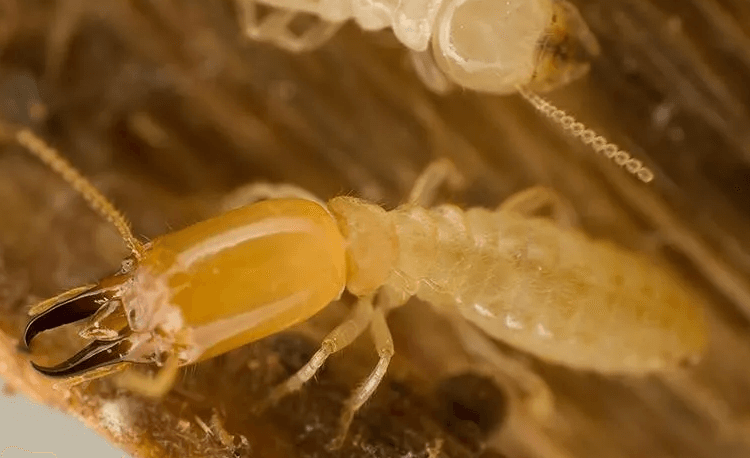
When you think about protecting your home, you might first consider the roof, foundation, or plumbing. But one of the most serious threats to houses in East Texas is something much smaller—termites.
These silent destroyers can cause thousands of dollars in damage before homeowners even realize there’s a problem. That’s why a professional termite inspection is one of the smartest, simplest steps you can take to protect your home and enjoy peace of mind.
Why Termites Are a Concern in East Texas
Our region’s warm, humid climate is the perfect environment for termites to thrive. Unfortunately, that means East Texas homes are at higher risk compared to other parts of the country.
The most common types of termites found here are:
- Subterranean termites – The most destructive species in East Texas. They live underground and can enter a home through cracks in the foundation, plumbing penetrations, or even expansion joints.
- Drywood termites – Less common but still problematic, these termites live directly inside the wood they consume, making them harder to detect.
Because termites often remain hidden, they can be eating away at your home long before you see visible signs.
Benefits of a Termite Inspection
A termite inspection provides more than just peace of mind—it offers real advantages for homeowners. Here’s why it’s worth it:
- Protect your investment – Your home is likely your biggest asset. A termite inspection helps safeguard it from hidden damage.
- Save money in the long run – Early detection can prevent costly repairs that add up quickly if termites go unnoticed.
- Confidence when buying or selling – Many buyers and sellers appreciate the reassurance of a clean termite report during a real estate transaction.
- Preventative insight – Even if no termites are found, your inspector can identify conditions that might attract them, helping you take simple steps to reduce risk.
Signs You May Have Termites
While an inspection is the best way to know for sure, keep an eye out for these common warning signs:
- Mud tubes along foundations, walls, or crawl spaces
- Hollow-sounding wood when tapped
- Blistered or uneven flooring
- Discarded wings near windowsills or doors
- Small piles of what looks like sawdust (termite droppings)
If you notice any of these, scheduling an inspection is the smart next step.
How Termite Inspections Work
During a termite inspection, a licensed professional will carefully check areas of your home that are most prone to infestation. This typically includes:
- The foundation and crawl spaces
- Attics and basements
- Exterior walls, siding, and porches
- Windows, door frames, and baseboards
- Wood structures like decks, fences, and sheds
The inspector will look for evidence of termites, wood damage, and conditions that could make your home more attractive to pests.
Tips for Preventing Termites in East Texas
In addition to regular inspections, there are steps you can take to reduce the risk of termites:
- Store firewood and woodpiles away from your foundation
- Make sure gutters and downspouts move water away from the home
- Fix plumbing leaks quickly to avoid excess moisture
- Maintain a gap between soil and wooden siding
- Seal cracks and openings in your foundation
Prevention is always easier—and less expensive—than dealing with an active infestation.
Final Thoughts
In East Texas, a termite inspection is a simple step with big benefits. It protects your investment, helps you avoid costly repairs, and gives you peace of mind whether you’re buying, selling, or just maintaining your home.
At Palmer Inspections, we understand the unique challenges our region’s climate presents. We’re here to provide the knowledge, support, and confidence you need to keep your home safe from these hidden threats.
✅ Buying or maintaining a home in Longview, Tyler, Marshall, Kilgore, or Henderson?
Contact Palmer Inspections today to schedule a termite inspection and enjoy the benefits of protecting your home.