
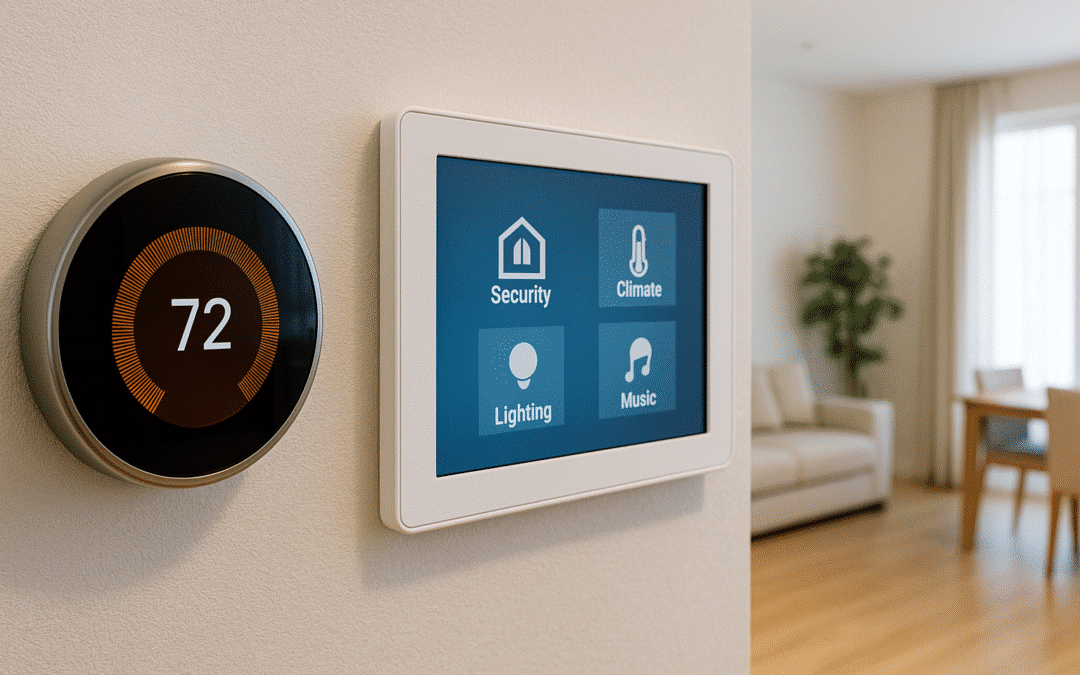
The Rise of Smart Homes in East Texas
From Longview to Tyler, more East Texas homes are being upgraded with smart technology than ever before. Smart thermostats, security systems, lighting, and even appliances are now part of everyday living — bringing convenience, efficiency, and sometimes, added resale value.
But as homes get “smarter,” home inspections have to keep up. Whether you’re buying a new build in Kilgore or a charming older home in Henderson that’s been upgraded with automation, understanding how smart tech affects your home inspection is key.
Let’s explore what East Texas buyers should know before the final walkthrough.
What Exactly Is a “Smart Home”?
A smart home uses internet-connected devices to control systems such as:
- Heating and cooling (like Nest or Ecobee thermostats)
- Lighting systems
- Security cameras and locks
- Doorbells and intercoms
- Appliances such as refrigerators, ovens, and washing machines
- Water leak detectors and moisture monitors
These systems often connect through a central app or hub, allowing homeowners to control functions remotely. For East Texas homeowners dealing with unpredictable weather or long commutes, that convenience can be a game-changer.
Why Smart Tech Matters in a Home Inspection
When Palmer Inspections examines a home equipped with smart technology, we look beyond the gadgets. We focus on how these systems are installed, integrated, and maintained — because they’re part of the home’s functionality and long-term safety.
Here’s what smart systems can affect during an inspection:
1. Electrical Load and Wiring
Smart devices rely on consistent, safe power. Improperly installed wiring, overloaded circuits, or poor grounding can cause damage or even pose a fire hazard.
We ensure your electrical system can handle the added load.
2. Internet and Network Systems
Smart homes depend on reliable connections. If a system uses outdated routers or unsecured networks, it could lead to operational issues — or security risks.
3. HVAC Integration
A smart thermostat doesn’t just control temperature — it communicates with your HVAC system. A malfunction in one can indicate a problem in the other. During your inspection, we make sure both are functioning and compatible.
4. Security Systems
Video doorbells, motion sensors, and alarms may seem plug-and-play, but incorrect wiring or configuration can lead to false readings or vulnerability.
We assess installation and functionality but also respect privacy — homeowners’ data and passwords are never accessed.
5. Device Ownership and Access
This is often overlooked. Smart home devices are linked to accounts, not just the home. If a seller doesn’t transfer access properly, the new homeowner might be locked out — or worse, the seller could retain access.
We encourage buyers to confirm account transfers during closing.
Common Issues We Find with Smart Tech Homes
Even well-intentioned upgrades can come with hidden issues. Here are a few things our inspectors commonly find in East Texas homes:
- DIY installations gone wrong — especially with thermostats and lighting systems.
- Disconnected or non-functioning devices that weren’t reset or removed.
- Exposed or tangled wiring in attics or behind panels.
- Compatibility issues with older HVAC or breaker systems.
- Wi-Fi dead zones where connected devices fail to communicate.
These issues aren’t always deal-breakers — but knowing about them before closing gives you leverage and peace of mind.
How Smart Devices Affect Energy Efficiency
Many East Texas homeowners love smart devices for their potential to lower energy bills.
Smart thermostats, for example, can “learn” your schedule and adjust temperatures automatically — which can make a big difference during those hot East Texas summers.
However, efficiency gains depend on proper setup. If sensors are placed incorrectly or systems are misconfigured, you may not see any savings at all. That’s why an inspection should confirm not just functionality, but performance.
What’s Not Included in a Standard Inspection
It’s important to understand that while home inspectors evaluate visible and accessible components, they typically don’t test software or app functionality.
For example:
- We won’t access personal user accounts or settings.
- We don’t test Wi-Fi strength or automation routines.
- We don’t modify devices to check cloud-based services.
Instead, we confirm that devices are properly installed, powered, and communicating as intended.
Tips for Buyers of Smart Homes in East Texas
If you’re buying a home with smart technology, here’s how to protect your investment:
- Ask for a Smart Home Device List
Request a list of all devices that will stay with the home.
(Examples: thermostats, doorbells, locks, lighting hubs.) - Clarify Ownership and Accounts
Make sure all devices are factory-reset and transferred to you. - Request Documentation
Installation manuals, warranties, and setup guides are valuable if you need to reset or troubleshoot later. - Secure Your Network Immediately
After moving in, update all passwords and Wi-Fi settings. - Schedule a Comprehensive Inspection
Choose an inspector experienced in evaluating both traditional systems and smart technology.
The East Texas Connection: Smart Tech in Our Climate
East Texas weather puts homes through a lot — heat, humidity, and seasonal storms. Smart technology can actually help homeowners stay ahead of maintenance issues.
- Smart thermostats adjust for temperature swings and humidity control.
- Leak detectors can alert you to pipe issues before major water damage occurs.
- Smart irrigation systems prevent overwatering during rainy seasons.
- Remote monitoring helps second-home owners in places like Lake Cherokee or Bullard check in anytime.
By integrating technology wisely — and confirming through a quality inspection — East Texans can save time, energy, and costly repairs.
How Palmer Inspections Handles Smart Tech Evaluations
At Palmer Inspections, we believe technology should make homeownership easier, not more confusing. That’s why our inspections combine advanced tools with clear communication — so you know exactly what’s going on in your home.
Our approach includes:
- Infrared thermal imaging to identify hidden moisture or electrical issues.
- Digital reporting delivered within 24 hours.
- Follow-up Q&A sessions to answer your questions after reviewing the report.
- Advanced inspection technology that aligns with the smart home era.
As part of our mission to empower buyers and sellers with comprehensive knowledge and peace of mind, we go beyond the checklist. We ensure your smart home is safe, efficient, and ready for move-in day.
Key Takeaways
- Smart home features can boost comfort, convenience, and efficiency — but only when properly installed and maintained.
- Home inspectors evaluate the integration and safety of smart devices, not just their functionality.
- Buyers should ensure all smart devices are reset, transferred, and documented during closing.
- An experienced East Texas home inspector can help you identify potential issues early and make confident decisions.
Final Thoughts
Technology moves fast — and the homes of East Texas are evolving right along with it.
Whether you’re looking at a new build in Tyler or a retrofitted home in Longview, a smart tech inspection helps ensure your investment is solid and secure.
At Palmer Inspections, we’re here to help you navigate every step with clarity, transparency, and expertise. Because empowering homeowners — through knowledge, confidence, and peace of mind — is what we do best.