
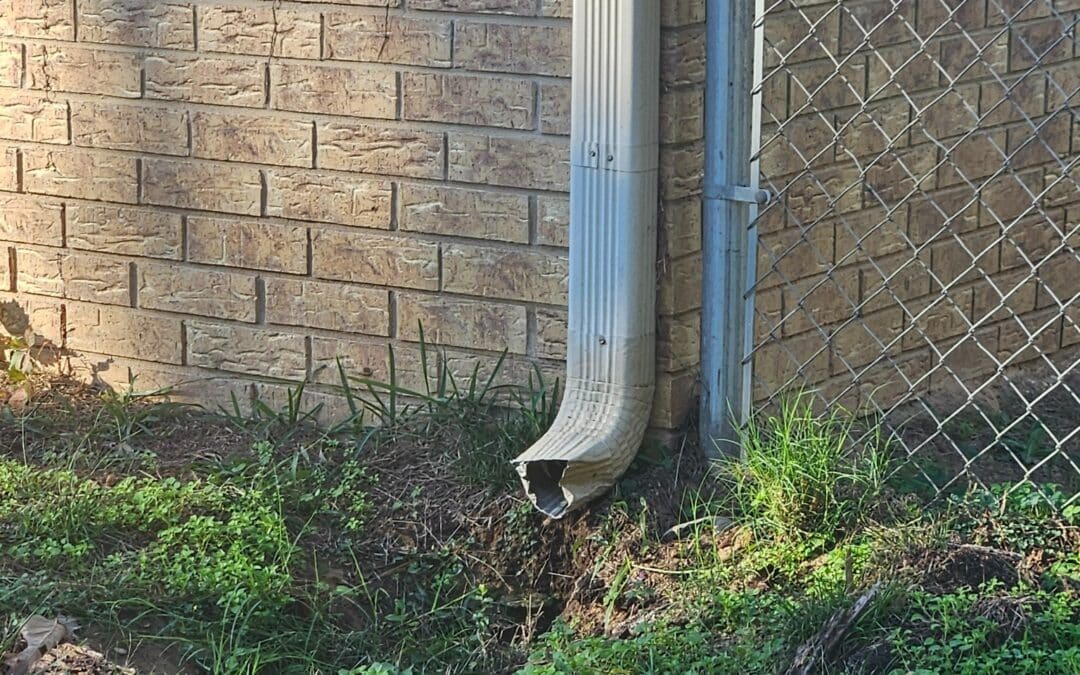
In East Texas, rain is a fact of life. Heavy downpours, sudden storms, and long periods of wet weather are common across Longview, Tyler, Marshall, Kilgore, Henderson, and surrounding areas. While rain keeps our landscapes green, it can quietly become one of the biggest threats to a home when drainage systems aren’t working as they should.
Water damage rarely starts with a dramatic flood. More often, it begins with poor drainage, slow moisture intrusion, or water lingering where it doesn’t belong. Over time, those small issues can affect foundations, crawlspaces, roofing systems, walls, and even indoor air quality.
This guide explains why rain and drainage are such critical concerns for East Texas homes, where problems typically start, and what homeowners can do to protect their property before damage becomes expensive.
Why Rain Is a Bigger Risk in East Texas
East Texas homes face a unique combination of conditions that make water management especially important:
- Frequent heavy rainfall
- Clay-rich, expansive soils
- Flat or gently sloped lots
- Dense vegetation near homes
- High humidity that slows drying
When water isn’t directed away from a home efficiently, it can linger in soil, against foundations, or within building materials — creating ideal conditions for long-term damage.
How Poor Drainage Impacts Homes Over Time
Water damage isn’t always obvious at first. In fact, many drainage-related issues go unnoticed for years.
Common long-term effects of poor drainage include:
- Foundation movement or settlement
- Cracks in walls, ceilings, or exterior masonry
- Moisture intrusion into crawlspaces or basements
- Deterioration of wood components
- Roof leaks caused by improper runoff management
The key takeaway: water doesn’t have to enter the living space to cause damage.
Foundation and Drainage: A Critical Relationship
Most homes in East Texas sit on slab foundations or pier-and-beam systems that rely heavily on stable soil conditions.
Why water affects foundations
Clay soil expands when wet and contracts when dry. Repeated cycles of saturation and drying can lead to:
- Uneven foundation movement
- Cracking in slabs or piers
- Doors and windows sticking or misaligning
- Gaps forming around trim or flooring
Proper drainage helps keep soil moisture levels more consistent, reducing stress on the foundation over time.
Roof Runoff: Where Many Drainage Problems Begin
Rainwater doesn’t just fall — it flows. The way water moves off your roof plays a major role in how well your home handles heavy rain.
Common roof runoff issues
- Clogged or undersized gutters
- Downspouts that empty too close to the foundation
- Missing splash blocks or extensions
- Water spilling over gutters during heavy storms
When roof runoff isn’t controlled, water often collects directly next to the home — exactly where it can do the most harm.
Gutters and Downspouts: Small Components, Big Impact
Gutters and downspouts are one of the simplest — and most overlooked — defenses against water damage.
Key things to monitor
- Gutters securely attached and properly sloped
- No visible sagging or separation
- Downspouts directing water several feet away
- No debris buildup that blocks flow
Even a short section of clogged gutter can cause water to overflow repeatedly in the same spot, leading to erosion or moisture intrusion.
Yard Grading and Landscaping Matter More Than You Think
Your yard is part of your drainage system. The way the ground slopes around your home directly affects how water behaves during a storm.
Ideal grading conditions
- Soil slopes away from the foundation
- No low spots where water pools
- Mulch and soil kept below siding or brick weep holes
- Landscaping not trapping water against walls
In East Texas, thick vegetation and flower beds placed too close to the home can unintentionally hold moisture where it’s least wanted.
Crawlspaces and Moisture Accumulation
Homes with crawlspaces are particularly vulnerable to drainage issues.
Signs of moisture concerns in crawlspaces
- Musty odors inside the home
- Increased indoor humidity
- Condensation on ductwork
- Visible damp soil or standing water
Poor exterior drainage often leads to crawlspace moisture, even when the roof and plumbing are functioning properly.
Interior Warning Signs Homeowners Shouldn’t Ignore
Sometimes the first clues appear inside the home — long after exterior drainage issues begin.
Interior indicators of drainage problems
- Staining on ceilings or walls after storms
- Bubbling or peeling paint
- Warped flooring or baseboards
- Increased pest activity
- Persistent musty smells
These symptoms don’t always mean an active leak, but they often signal ongoing moisture exposure that deserves attention.
Want to read about getting your home storm-ready?
Why Drainage Issues Show Up During Home Inspections
Drainage and water management are among the most common concerns identified during home inspections in East Texas.
Inspectors often evaluate:
- Roof runoff direction
- Gutter and downspout performance
- Grading and drainage patterns
- Signs of moisture intrusion
- Foundation-related indicators
Because drainage affects so many systems, even minor deficiencies can be flagged as areas needing improvement.
Preventative Steps Homeowners Can Take
The good news is that many drainage issues are preventable — or at least manageable — with consistent attention.
Practical steps to reduce risk
- Walk your property during or after heavy rain
- Observe where water collects or flows
- Keep gutters clean year-round
- Extend downspouts as needed
- Address grading concerns early
Small adjustments made early can prevent major repairs later.
When to Consider a Professional Evaluation
If drainage concerns persist — or if you’re unsure how water is affecting your home — a professional home inspection can help identify underlying issues.
A professional evaluation can:
- Reveal hidden moisture concerns
- Identify drainage patterns you may not notice
- Provide documentation for planning repairs
- Offer peace of mind during ownership or before selling
Many East Texas homeowners choose inspections not only for transactions, but also as part of proactive home care.
Final Thoughts: Water Control Is Home Protection
In East Texas, protecting your home from water damage isn’t about stopping rain — it’s about managing where that water goes.
Good drainage supports:
- Foundation stability
- Structural longevity
- Indoor comfort
- Long-term property value
By understanding how rain interacts with your home and addressing drainage proactively, you can reduce risk, avoid surprises, and keep your home performing the way it should — no matter how hard it rains.