
East Texas Homes and Their Hidden Plumbing Quirks
If you’ve lived in Kilgore or Marshall, you already know East Texas homes have character — and sometimes, that means quirks behind the walls. Between our clay soil, high humidity, and frequent storms, plumbing systems in this region face challenges that newer homes or drier climates simply don’t.
At Palmer Inspections, we’ve seen firsthand how even small plumbing issues can become big headaches for homeowners if they’re not caught early. Whether you’re buying an older home, managing a rental property, or just trying to stay on top of maintenance, this guide breaks down the most common plumbing problems we see in Kilgore and Marshall — and what you can do about them.
1. Corroded or Aging Pipes
Many older homes in Marshall and Kilgore were built decades ago — and so were their plumbing systems. Some still use galvanized steel pipes, which corrode over time and restrict water flow. Others may have copper or polybutylene piping that has degraded.
Signs of pipe corrosion:
- Low water pressure
- Brown or discolored water
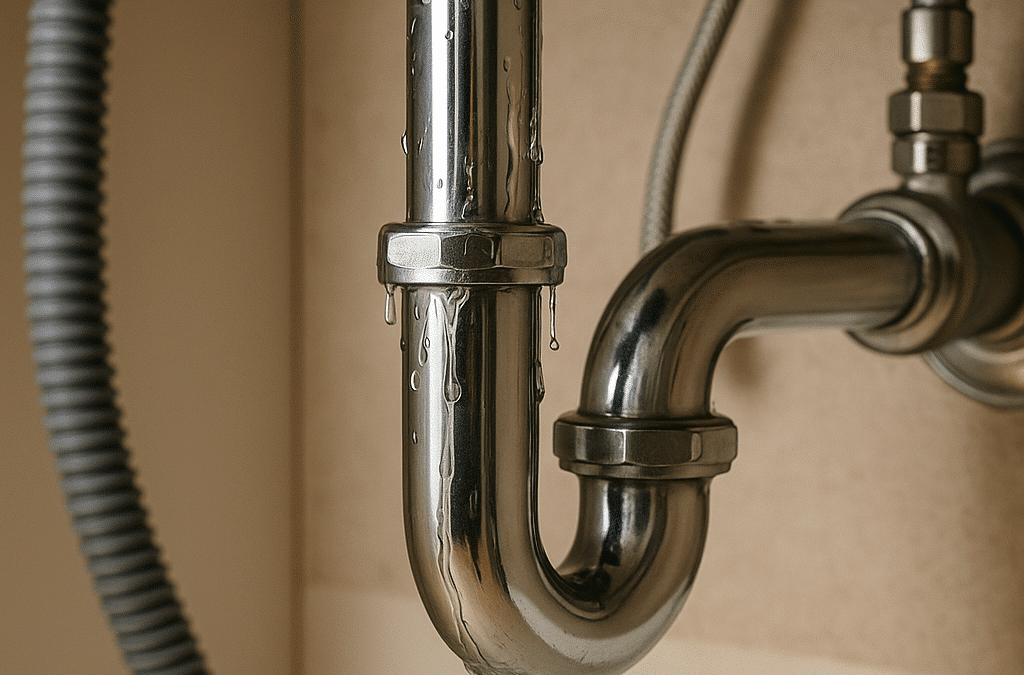
- Frequent leaks or wet spots under sinks
- Metallic taste in drinking water
💡 Pro Tip: If your home was built before the 1980s, consider having a licensed plumber or inspection professional evaluate the material and lifespan of your pipes. Replacing old plumbing can prevent costly water damage down the line.
Add a Sewer Scope To My Inspection
2. Slab Leaks — The Silent Problem Beneath Your Feet
East Texas soil expands and contracts with moisture changes, and that movement can cause the concrete slab beneath your home to shift or crack. When that happens, plumbing lines running under the slab may break or develop leaks.
Common warning signs of slab leaks include:
- Warm spots on your floor
- Unexplained increase in water bills
- Sounds of running water when pipes aren’t in use
- Cracks in floors or walls
Because slab leaks are hidden, they often go unnoticed until there’s visible damage. An infrared or moisture inspection can help detect early signs before they escalate.
Our Inspections Include Thermal Imaging
3. Drainage and Sewer Line Issues
Homes in Marshall and Kilgore frequently deal with drainage challenges due to heavy rainfall, dense clay soil, and older sewer infrastructure.
Typical symptoms:
- Slow drains in multiple fixtures
- Gurgling sounds in toilets or tubs
- Sewage odors indoors or in the yard
- Standing water in low areas after rain
Tree roots, soil movement, and aging cast iron lines are common culprits. A home inspection can identify signs of drainage or venting problems early — before you need a plumber to dig up your yard.
4. Water Heater Trouble
Water heaters in East Texas often work overtime, especially in homes with hard water. Over time, mineral deposits build up inside tanks, reducing efficiency and lifespan.
Look for:
- Lukewarm or inconsistent water temperatures
- Rumbling or popping noises from the tank
- Rust-colored water
- Leaks around the base
💡 Maintenance Tip: Flush your water heater once or twice a year to remove sediment, and inspect the anode rod regularly — it helps prevent tank corrosion.
5. Leaky Fixtures and Running Toilets
A dripping faucet might seem minor, but a single slow leak can waste hundreds of gallons of water each month — and lead to higher utility bills.
Most common causes:
- Worn-out washers or O-rings
- Faulty toilet flappers
- Corroded valve seats
- Loose connections under sinks
These small problems are easy to fix but often go unchecked for years in older homes. During an inspection, these areas are visually checked for active leaks, corrosion, and proper function.
6. Poor Venting and Drain Design
Some older homes, especially those remodeled multiple times, suffer from improper venting in the plumbing system. Without proper venting, water doesn’t drain efficiently — leading to slow sinks and bubbling toilets.
Inspectors often find:
- Missing or undersized vent stacks
- “S” traps instead of “P” traps (illegal in modern codes)
- Improper slope in horizontal drain runs
Even small fixes, like adding an air admittance valve, can improve flow and reduce odors.
7. Crawlspace Moisture and Pipe Deterioration
Many Kilgore and Marshall homes are built on pier-and-beam foundations with crawlspaces. These spaces are prone to moisture buildup, especially during humid summers or wet winters.
Why this matters:
Moisture accelerates metal corrosion, damages insulation, and can cause microbial growth on surfaces and joists.
Inspectors look for:
- Leaking or sweating pipes
- Inadequate ventilation
- Poor vapor barrier installation
💡 Prevention Tip: Use insulated piping in crawlspaces and ensure proper drainage away from the foundation to minimize humidity and condensation.
8. Outdated Plumbing Repairs and DIY Fixes
Older homes often have a history of “quick fixes” — temporary solutions that don’t meet current standards. It’s not uncommon to find mismatched fittings, flexible hoses used incorrectly, or unpermitted plumbing modifications.
A professional inspection can identify where DIY plumbing shortcuts might cause problems later — helping homeowners budget for future improvements.
9. How a Home Inspection Helps Identify Plumbing Problems Early
A home inspection from Palmer Inspections gives you a clear, unbiased view of your home’s plumbing system, from visible leaks to signs of hidden damage.
Our inspections include:
- Checking for active leaks under sinks and appliances
- Examining visible plumbing materials and condition
- Assessing water pressure, drainage, and venting
- Using infrared imaging to detect hidden moisture or leaks Check out our blog on Advanced Technology That’s Revolutionizing Home Inspections in East Texas
This proactive approach helps Kilgore and Marshall homeowners catch small issues before they become major repairs, saving money and frustration in the long run.
Final Thoughts
Plumbing systems are easy to overlook — until something goes wrong. But in East Texas, where humidity, soil movement, and older infrastructure all play a role, prevention really is key.
By staying proactive with maintenance and scheduling a professional home inspection, you can keep your home’s plumbing reliable, safe, and efficient for years to come.