
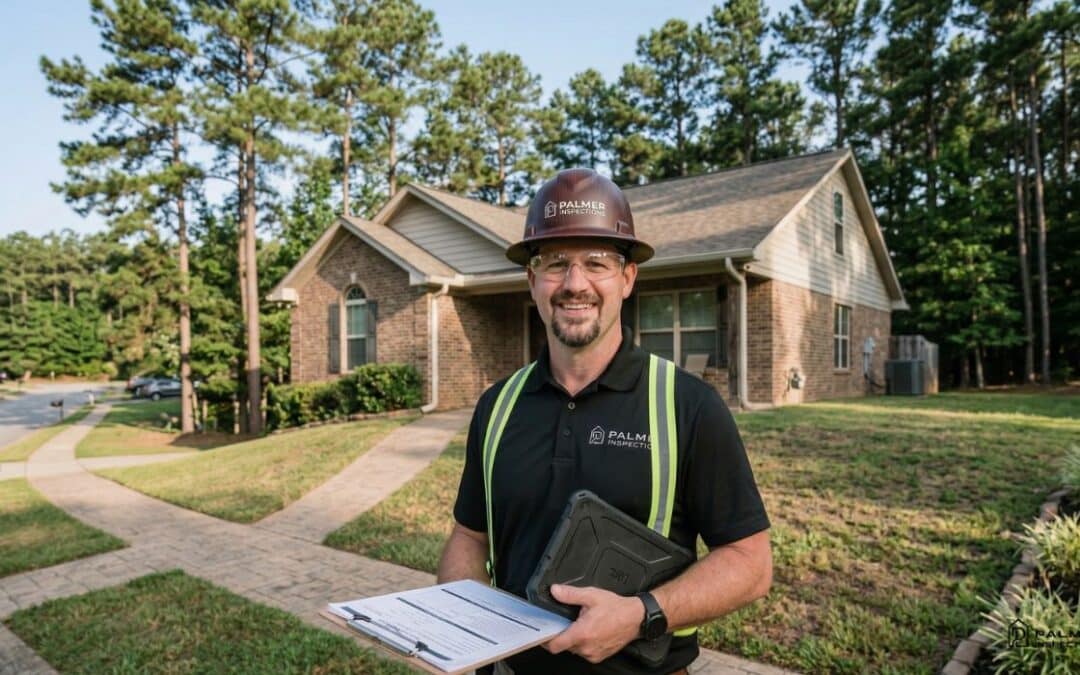
When people search for East Texas Inspections, they’re usually looking for one thing: clear, reliable answers they can trust before making a major property decision. Whether you’re buying, selling, or maintaining a home in Longview or surrounding areas, inspections aren’t just a formality—they’re your first line of defense against costly surprises.
After a full year of real-world inspection experience across East Texas, clear patterns emerge. Some homeowners stay ahead of issues, while others unknowingly walk into expensive repairs. This guide breaks down what actually matters, what inspectors really look for, and how you can prepare with confidence.
What Are East Texas Inspections (And Why Do They Matter)?
East Texas Inspections refer to professional evaluations of a property’s condition, typically conducted before a sale or as part of ongoing maintenance. These inspections follow standards set by the Texas Real Estate Commission (TREC) and are designed to uncover hidden issues.
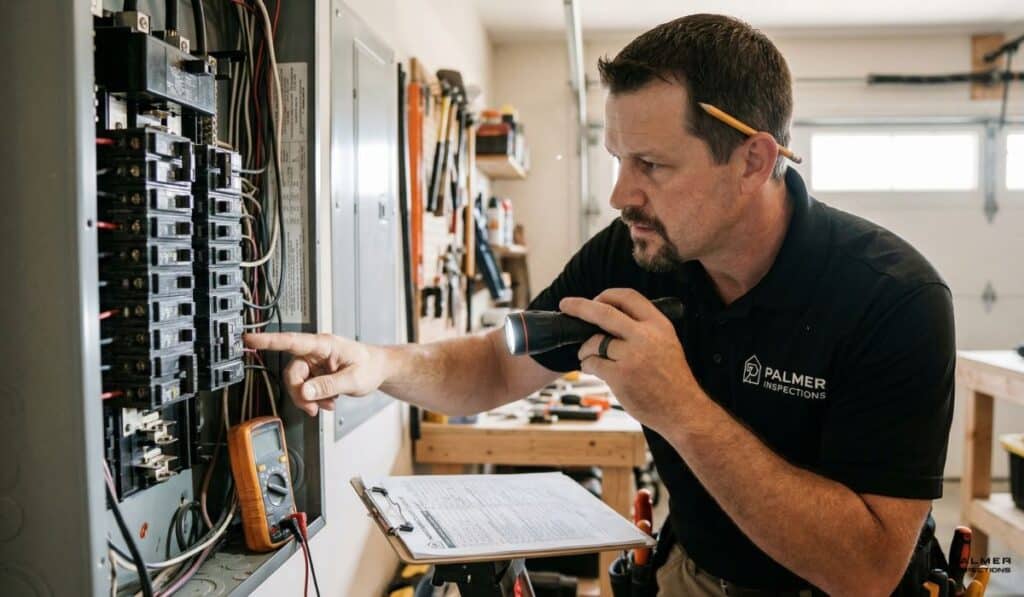
What inspectors typically check:
- Structural integrity (foundation, framing)
- Roofing and attic conditions
- Electrical systems and wiring safety
- Plumbing systems and leaks
- HVAC performance
- Exterior drainage and grading
According to the Texas Real Estate Commission, inspectors must follow strict reporting standards to ensure transparency and consumer protection.
A thorough inspection helps you avoid unexpected repairs, negotiate better deals, and plan future maintenance.
Want to see how your agency stacks up? Get a quick overview of what inspectors actually look for.
Common Issues Found in East Texas Homes
East Texas homes face unique environmental challenges—humidity, soil movement, and seasonal storms all play a role in property wear and tear.
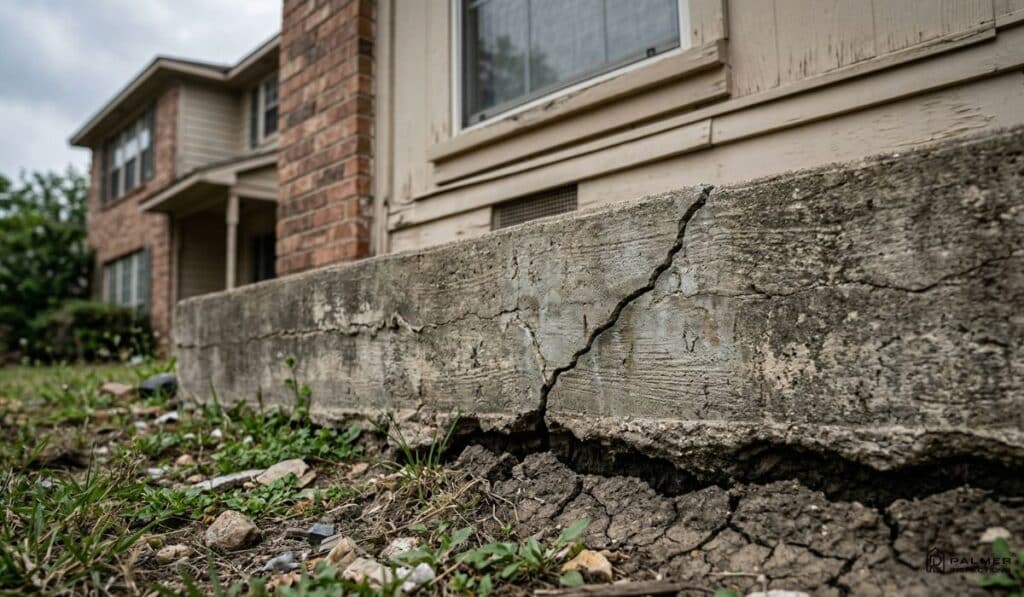
Most frequent findings:
- Foundation movement due to expansive clay soil
- Roof damage from storms and heat
- Moisture intrusion leading to mold risks
- Outdated electrical panels
- Poor drainage around foundations
Why this matters:
These issues may not be visible during a walkthrough but can cost thousands if ignored.
The U.S. Department of Housing and Urban Development (HUD) emphasizes the importance of identifying structural and moisture-related issues early.
Avoid costly violations and failed inspections. Our proven process helps home care agencies stay compliant, confident, and inspection-ready year-round.
Maintenance Tips for East Texas Homes
Preventative maintenance is the difference between a smooth inspection and a stressful one. In East Texas, small issues can escalate quickly due to climate conditions.
Practical tips:
- Inspect your roof twice a year
- Clean gutters regularly to prevent water buildup
- Check HVAC systems before peak seasons
- Monitor foundation cracks and soil movement
- Seal windows and doors to reduce humidity intrusion
Seasonal checklist:
| Season | Key Task |
|---|---|
| Spring | Roof inspection, drainage check |
| Summer | HVAC servicing |
| Fall | Gutter cleaning |
| Winter | Insulation and pipe checks |
Routine care reduces long-term repair costs and improves inspection outcomes.
Ready to prepare for your next inspection? Let’s evaluate your agency before the state does.
What a Good Inspection Report Should Include
Not all inspection reports are created equal. A high-quality report should be detailed, easy to understand, and actionable.
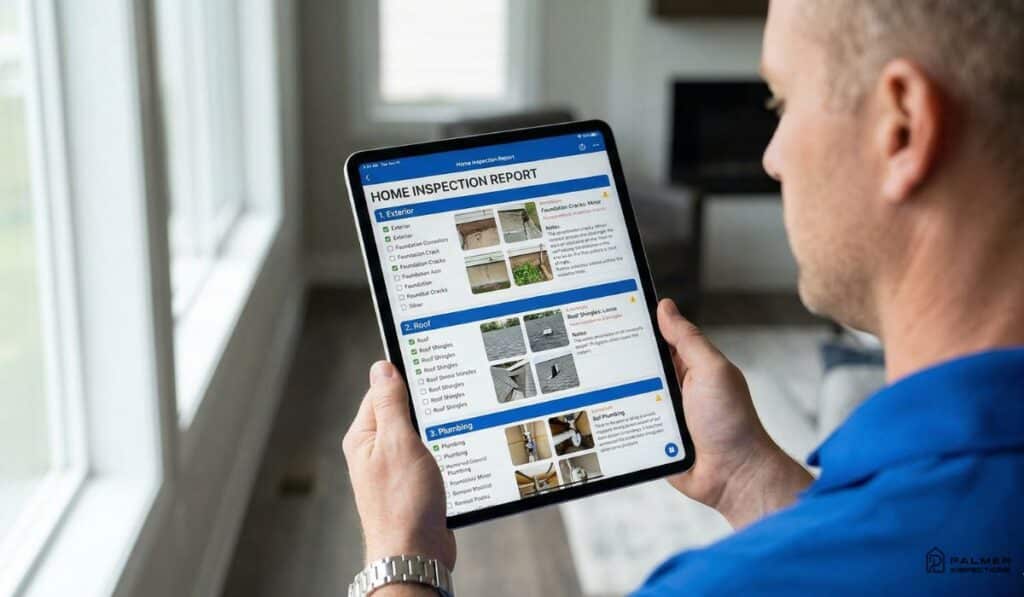
Look for:
- Clear summaries of major issues
- High-resolution photos
- Safety concerns highlighted
- Repair recommendations
- Easy-to-read format
The American Society of Home Inspectors (ASHI) recommends detailed reporting to help buyers make informed decisions.
Red flags:
- Vague descriptions
- Missing photos
- No prioritization of issues
With a full year of real inspection experience across East Texas, we know exactly where agencies succeed—and where they fail.
Understanding Regional Differences (Texas vs Other States)
Inspection standards vary across the United States, but Texas has some of the strictest requirements.
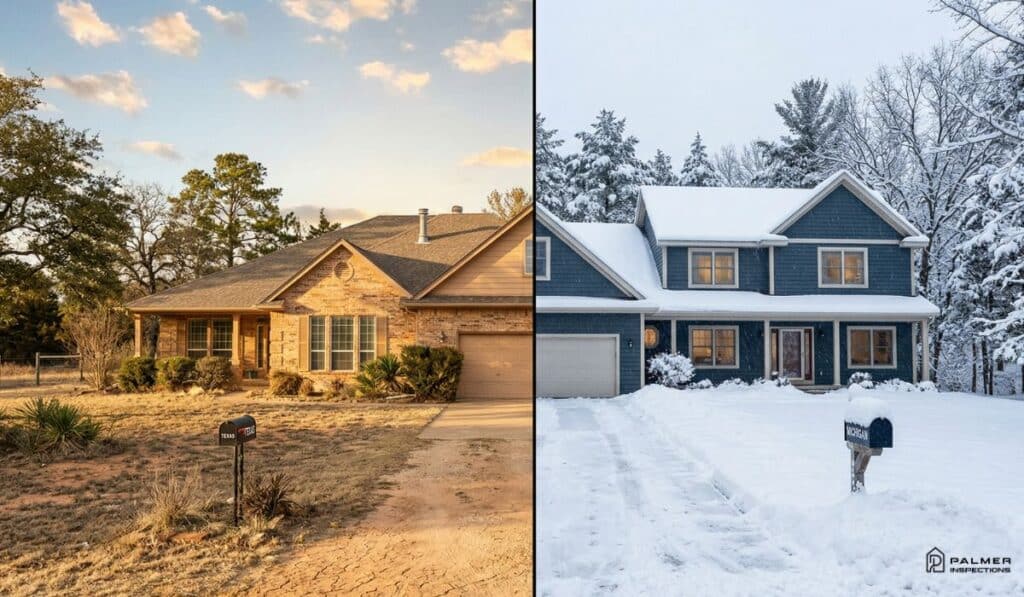
Key differences:
- Texas requires licensed inspectors through TREC
- Reports must follow a standardized format
- Climate-specific issues (like expansive soil) are more common
In contrast:
- Northern states focus more on insulation and snow damage
- Coastal states emphasize hurricane resistance
Why this matters:
Understanding local standards ensures you’re comparing inspections fairly.
Inspections don’t come with warnings—and failing one can cost you everything. Don’t wait until it’s too late.
How to Choose the Right Inspection Company
Choosing the right provider for East Texas Inspections can make or break your experience.
What to look for:
- Licensed and insured inspectors
- Strong local experience
- Sample reports available
- Transparent pricing
- Positive customer reviews
Trusted provider:
For reliable, local expertise, visit Palmer Inspections
Experience in East Texas conditions is just as important as technical knowledge.
Want to see how your agency stacks up? Get a quick overview of what inspectors actually look for.
Real-World Lessons After One Year of Inspections
After a year of hands-on inspections, consistent patterns reveal what separates well-maintained homes from problem properties.
Lessons learned:
- Deferred maintenance always costs more later
- Water damage is the most underestimated issue
- Buyers who attend inspections make better decisions
- Small repairs often prevent major failures
Insight:
Homes that pass inspections easily usually follow consistent maintenance routines.
Avoid costly violations and failed inspections. Our proven process helps home care agencies stay compliant, confident, and inspection-ready year-round.
Service Areas Covered
When choosing a provider for East Texas Inspections, it’s important to work with a company that understands the unique conditions across different communities. From soil movement in rural areas to drainage challenges in growing suburbs, local experience makes a real difference in the accuracy and reliability of an inspection.
Service Areas
We proudly provide premier inspection services throughout East Texas, including Longview, Tyler, Kilgore, Hallsville, White Oak, Gladewater, Lakeport, Liberty City, Judson, East Mountain, Diana, Gilmer, Henderson, Marshall, Overton, New London, Tatum, Harleton, Big Sandy, Winona, Arp, Chandler, Lindale, Mineola, Bullard, Hawkins, and all surrounding areas. This wide coverage ensures homeowners, buyers, and sellers across the region have access to timely, professional inspections backed by strong local knowledge.
Working with a locally experienced inspection team means faster scheduling, better insights into regional property issues, and more confidence in your results.
With a full year of real inspection experience across East Texas, we know exactly where agencies succeed—and where they fail.
Conclusion
A year of real-world experience shows that East Texas Inspections are more than just a checkbox—they’re a critical step in protecting your investment. The difference between a smooth transaction and a costly mistake often comes down to how early issues are identified and addressed.
By understanding what inspectors look for, staying proactive with maintenance, and choosing a trusted local expert, you can move forward with confidence—whether you’re buying your first home or maintaining one for years to come.
The smartest homeowners don’t wait for problems to appear—they plan ahead, stay informed, and act early.
If you’re serious about protecting your property, now is the time to take action.
Frequently Asked Questions (FAQs)
1. How long does a home inspection take in East Texas?
Most inspections take 2–4 hours, depending on the size and condition of the home.
2. Should I attend the inspection?
Yes. Being present helps you understand issues firsthand and ask questions directly.
3. What happens if the inspection finds problems?
You can negotiate repairs, request credits, or decide not to proceed with the purchase.
4. Are inspections required in Texas?
They are not legally required but are strongly recommended for any real estate transaction.
5. How much do East Texas Inspections cost?
Typical costs range from $300–$600, depending on property size and additional services.
6. How often should I get my home inspected?
Every 3–5 years or before major buying/selling decisions.