
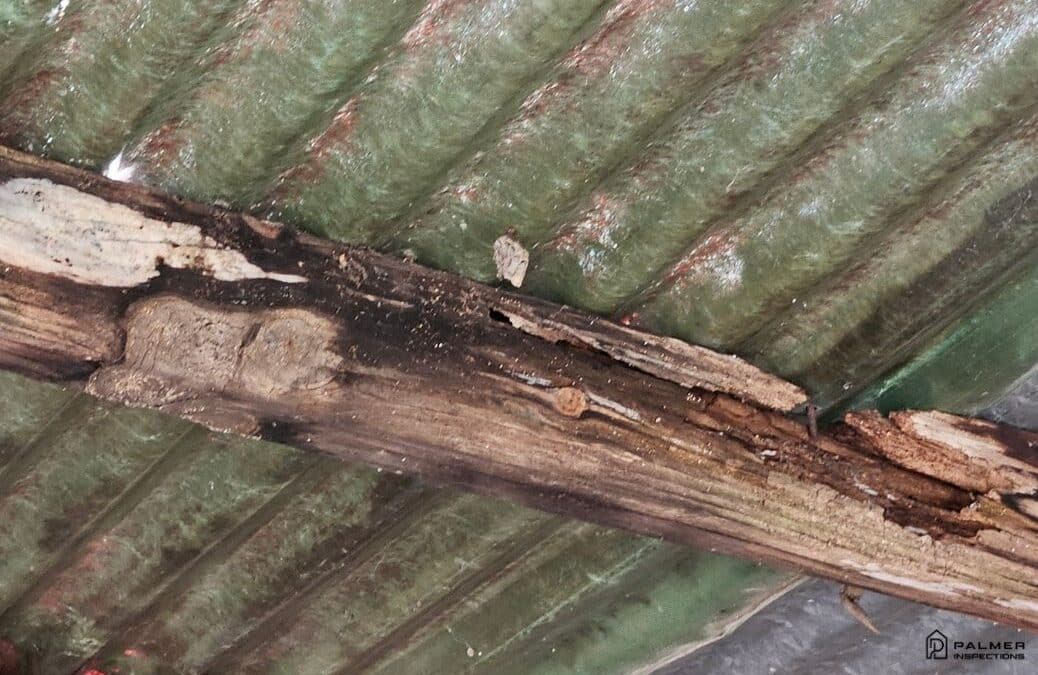
If you are researching the most common issues found in East Texas homes, you are already taking a smart first step as a buyer, seller, or investor. Homes in East Texas, especially in areas like Longview, Tyler, Marshall, and surrounding communities, tend to face predictable issues due to climate, soil movement, humidity, and aging construction styles.
Understanding these issues before you buy or sell can help you avoid expensive surprises, negotiate better deals, and plan repairs with confidence. In this guide, we will break down the most common inspection findings and explain what they mean in real-world terms.
Why East Texas Homes Commonly Develop These Issues
East Texas homes are unique because of the environment they are built in. Even well-maintained properties can show signs of stress over time.
Here is why:
- Expansive clay soil shifts with moisture changes
- High humidity accelerates wood decay and mold growth
- Heavy rainfall impacts drainage and septic systems
- Many homes are older and have mixed updates over time
- Rural properties often rely on private systems instead of city utilities
If you are buying in Tyler, Longview, Kilgore, or smaller areas like White Oak or Hallsville, these conditions are especially important to understand before closing.
If you are beginning your home search, a professional inspection can give you a clearer picture of what to expect before you commit. Learn more about what is included in a full inspection.
The Most Common Issues Found in East Texas Homes
Let’s walk through the most frequent problems inspectors see across East Texas properties and what they mean for you.
1. Foundation Movement and Structural Shifting
Foundation issues are one of the most common findings in East Texas homes due to clay-heavy soil. This soil expands when wet and contracts when dry, constantly moving beneath homes.
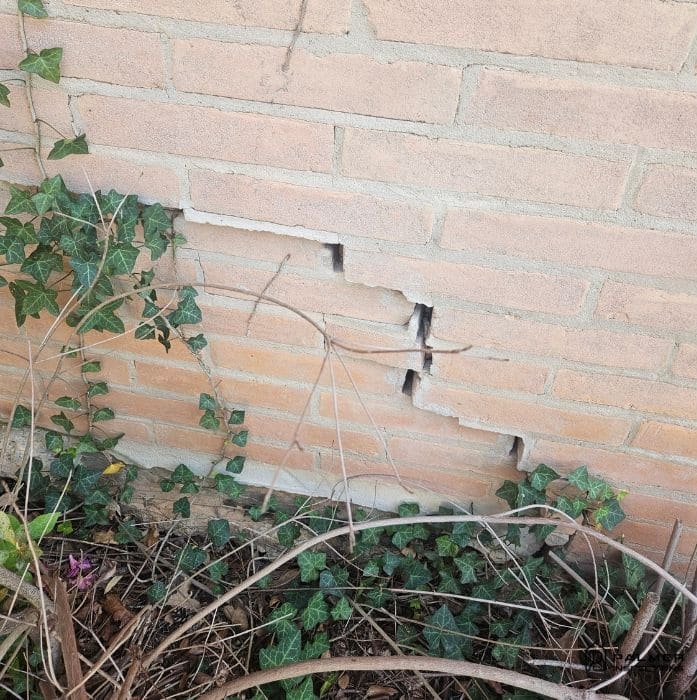
Typical signs include:
- Cracks in walls or ceilings
- Doors and windows that stick
- Uneven or sloping floors
- Separation around trim or baseboards
Homes in Longview, Tyler, and Marshall often show varying levels of movement, even in newer construction.
Foundation concerns do not always mean a major repair, but they should always be evaluated by a trained inspector. A detailed inspection report helps you understand severity and next steps.
2. Roof Damage and Aging Roofing Systems
Roof issues are extremely common in East Texas due to storms, heat, and humidity. Even roofs that look fine from the ground may have hidden damage.
Inspectors often find:
- Missing or lifted shingles
- Soft decking or water intrusion
- Improper flashing around vents and chimneys
- Signs of past leaks in attic spaces
In areas like Kilgore, Gladewater, and White Oak, storm-related roof wear is especially common.
Roof problems can worsen quickly after storms. If you are buying or selling, scheduling a roof evaluation early can prevent costly surprises during negotiations.
3. Termite and Wood-Destroying Organisms (WDO)
East Texas is one of the most termite-prone regions in the state due to humidity and wooded environments. Even homes that appear well-maintained can have hidden damage.
Common findings include:
- Active termite colonies
- Past structural damage in framing or crawl spaces
- Mud tubes along foundations
- Moisture-damaged wood attracting pests
This is especially common in rural areas like Gilmer, Big Sandy, and Harleton.
A termite inspection helps protect your investment by identifying hidden damage early, often before it becomes expensive structural repair.
4. Drainage and Grading Problems
Poor drainage is one of the most overlooked but impactful issues in East Texas homes. Water that does not flow away from the home properly can lead to long-term damage.
Inspectors frequently see:
- Standing water near the foundation
- Poor grading that directs water toward the home
- Clogged or missing gutters
- Short downspouts discharging too close to the structure
Areas like Lindale, Mineola, and Bullard often experience drainage challenges due to heavy rainfall patterns.
Improving drainage early can prevent foundation damage later. A full inspection can help identify grading issues before they escalate.
5. Septic System Issues (Common in Rural East Texas)
Many homes outside city limits rely on septic systems, especially in areas like Tatum, Arp, and Hawkins. These systems require regular maintenance and can fail without warning if neglected.
Common issues include:
- Full or failing drain fields
- Slow drains inside the home
- Sewage odors in the yard
- Outdated or improperly installed systems
For general information on septic system maintenance and safety, the U.S. Environmental Protection Agency provides helpful guidance:
A septic inspection helps ensure the system is functioning properly before you purchase a rural property.
6. Sewer Line Problems (Hidden but Costly)
Sewer line issues are often invisible until major problems occur. Tree roots, aging pipes, and blockages are common in older East Texas homes.
Inspectors may discover:
- Root intrusion in sewer lines
- Collapsed or cracked pipes
- Slow or backed-up drainage
- Improper pipe slope or installation
A sewer scope inspection provides a clear view of underground lines so you can avoid unexpected repair costs after closing.
7. Electrical Safety Concerns
Older homes in East Texas often have outdated or partially upgraded electrical systems. These can pose both safety and insurance concerns.
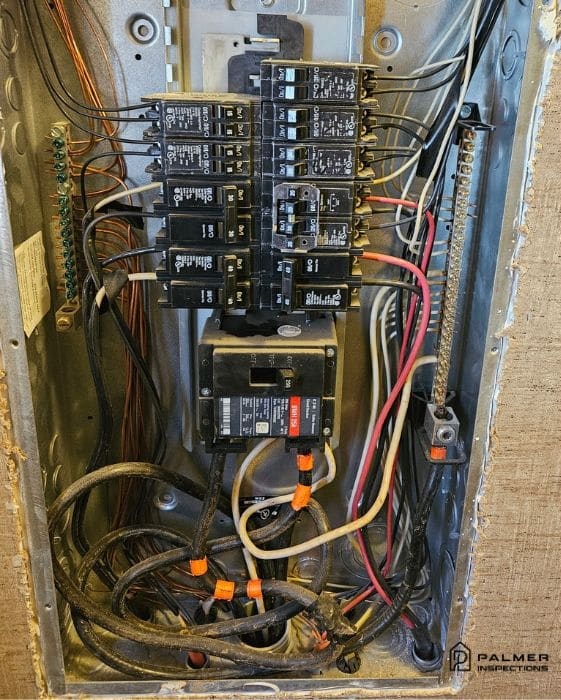
Common findings include:
- Outdated breaker panels
- Ungrounded outlets
- Improper DIY wiring
- Overloaded circuits
A home inspection can help identify potential electrical hazards so you can plan upgrades safely and confidently.
8. Plumbing and HVAC Issues
Plumbing and HVAC systems are heavily used in East Texas due to heat and humidity. Over time, wear and tear becomes noticeable.
Inspectors often find:
- Leaking supply lines or fixtures
- Corroded pipes in older homes
- Inefficient or aging HVAC systems
- Poor airflow or uneven cooling
If you are buying or selling, a full home inspection ensures plumbing and HVAC systems are operating as expected before closing.
Why These Issues Matter for Real Buyers, Sellers, and Agents
Understanding these problems is not just educational. It directly affects financial decisions.
For Buyers:
- Avoid unexpected repair costs
- Strengthen negotiation power
- Understand long-term maintenance needs
For Sellers:
- Fix issues before listing
- Prevent deal delays
- Increase buyer confidence
Real Estate Agents:
- Reduce transaction fallout
- Educate clients effectively
- Build stronger trust with buyers
When a Full Inspection Makes the Biggest Difference
A professional inspection becomes especially important when:
- Buying older homes in Tyler, Longview, or Marshall
- Purchasing rural properties with septic systems
- Investing in rental or flip properties
- Selling a home and preparing for market
- Buying new construction that may still have defects
A full inspection provides clarity across:
- Structural systems
- Roofing
- Electrical
- Plumbing
- HVAC
- Drainage and grading
- Septic and sewer systems
Whether you are buying, selling, or investing in East Texas real estate, a professional inspection helps you move forward with confidence. You can explore services or schedule an inspection here.
Final Thoughts
The most common issues found in East Texas homes are not random. They follow predictable patterns tied to soil conditions, climate, and property age. From foundation movement in Longview to septic system concerns in rural Hawkins and Arp, these issues are part of the local housing landscape.
The good news is that none of these problems need to be a surprise. A thorough inspection gives you the clarity you need to make confident decisions whether you are buying, selling, or investing.
If you are planning your next move in East Texas real estate, a professional inspection can help you protect your investment and avoid costly surprises. Learn more at Palmer Inspections.
FAQ:
What are the most common issues found in East Texas homes?
Foundation movement, roof damage, termite activity, drainage problems, septic system issues, and aging HVAC or electrical systems are the most common findings.
Why do East Texas homes have foundation problems?
The region’s clay soil expands and contracts with moisture changes, which puts constant pressure on foundations.
Are termite inspections really necessary in East Texas?
Yes. The humid climate creates ideal conditions for termite activity, even in newer homes.
What inspections should rural East Texas buyers get?
At minimum, a home inspection, termite inspection, septic inspection, and sewer scope inspection are recommended.
Can a home inspection help me negotiate price?
Yes. Inspection findings often help buyers request repairs or price adjustments before closing.