
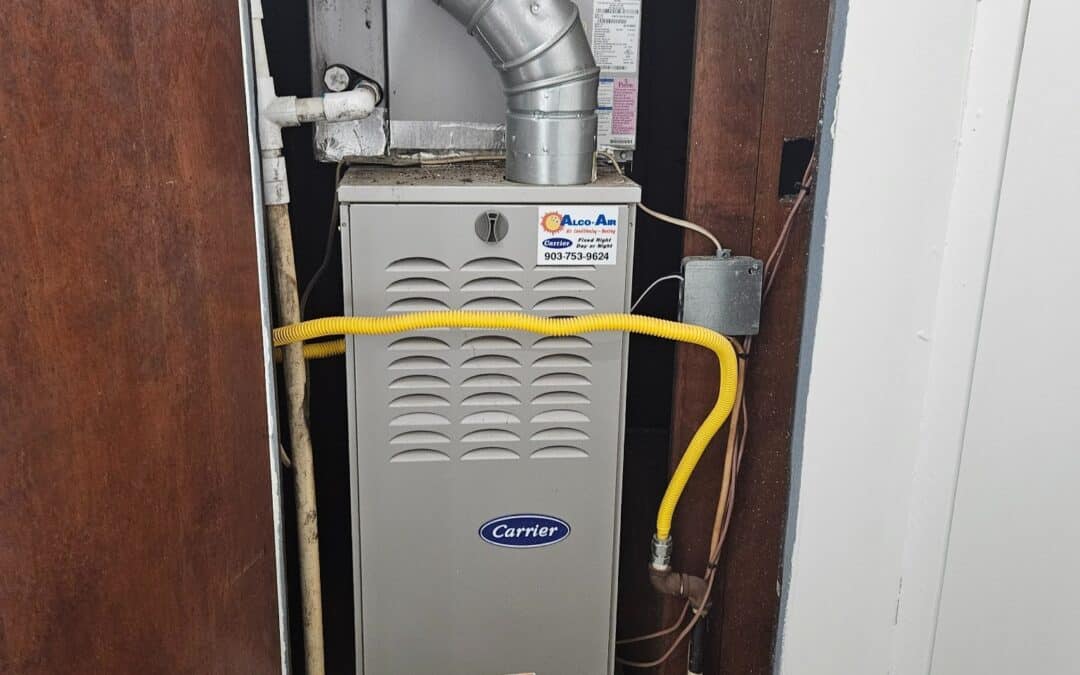
Heating and cooling systems play a major role in comfort, energy efficiency, and long-term ownership costs—especially in East Texas. With long summers, high humidity, and mild but sometimes unpredictable winters, HVAC systems here work hard for much of the year.
During a home inspection, HVAC systems are evaluated to help buyers and homeowners understand how the system is performing today, what concerns may exist, and what items may need monitoring or maintenance over time.
This article explains the most common HVAC concerns found in East Texas homes, how inspectors evaluate systems, and why understanding these issues early can save time, stress, and money.
Why HVAC issues are common in East Texas
East Texas presents unique challenges for heating and cooling systems.
Some of the biggest factors include:
- Long cooling seasons with sustained heat
- High humidity levels
- Older housing stock with aging systems
- New construction with fast installation timelines
- Homes that were expanded or modified over time
These conditions mean HVAC systems often show wear, installation inconsistencies, or performance limitations earlier than homeowners expect.
What home inspectors evaluate during an HVAC inspection
A home inspection includes a non-invasive, visual evaluation of the heating and cooling system. Inspectors do not dismantle equipment or perform repairs, but they observe accessible components and test basic operation.
Typical inspection areas include:
- Indoor air handler or furnace
- Outdoor condenser or heat pump
- Visible ductwork
- Thermostat operation
- System response during normal operation
- Safety and clearance considerations
The goal is to document observable conditions and help buyers understand system performance at the time of inspection.
Common cooling concerns in East Texas homes
Cooling issues are among the most frequently noted HVAC concerns due to the region’s climate.
Inspectors often observe:
- Systems that struggle to keep up during peak heat
- Inconsistent cooling between rooms
- Older units nearing the end of their typical service life
- Dirty or damaged outdoor units
- Restricted airflow caused by duct or filter issues
These concerns don’t always mean a system has failed—but they do provide important context for budgeting, maintenance, and future planning.
Heating system concerns inspectors commonly see
While winters are generally mild, heating systems still play a critical role.
Common observations include:
- Furnaces or heat pumps that have not been serviced regularly
- Improper clearances around heating equipment
- Older components that no longer perform efficiently
- Inconsistent heating output
- Safety-related observations near gas-fired equipment
Understanding the heating system is especially important for homes that rely on gas furnaces or heat pumps, which operate differently and have different maintenance needs.
The role of ductwork in HVAC performance
Even a newer HVAC unit can struggle if the duct system has issues.
Inspectors often note:
- Damaged or disconnected ducts
- Improperly supported ductwork
- Insulation deficiencies
- Air leaks that reduce efficiency
- Layouts that contribute to uneven temperatures
Duct-related concerns are common in both older homes and newer construction, especially when systems have been modified over time.
HVAC concerns in older East Texas homes
Older homes often come with charm—but also HVAC challenges.
Inspectors frequently encounter:
- Systems that were added long after the home was built
- Undersized equipment
- Ductwork retrofitted into tight spaces
- Components that reflect multiple generations of upgrades
These homes can still be comfortable, but they often require realistic expectations and proactive maintenance.
HVAC concerns in new construction homes
New homes aren’t immune to HVAC issues. In fast-paced construction environments, details can sometimes be overlooked.
Inspectors may observe:
- Poor airflow balancing
- Installation inconsistencies
- Condensate drainage concerns
- Inadequate insulation affecting system performance
- Thermostat or zoning setup issues
This is why HVAC evaluation is valuable even in brand-new homes—before minor concerns turn into ongoing comfort complaints.
Why humidity control matters so much in East Texas
Humidity is a major comfort factor that homeowners often overlook.
When HVAC systems struggle with humidity:
- Homes can feel warmer than the thermostat indicates
- Condensation issues may occur
- Indoor comfort decreases
- Energy usage increases
Inspectors consider humidity management when evaluating system performance and overall home comfort conditions.
What a home inspection can—and cannot—tell you about HVAC systems
A home inspection provides a snapshot in time, not a prediction of future performance.
An inspection can:
- Identify visible concerns
- Document system operation
- Highlight conditions that may warrant further evaluation
- Help buyers plan for maintenance or replacement
An inspection cannot:
- Guarantee future lifespan
- Determine internal component condition
- Replace specialized HVAC servicing
Understanding these limits helps buyers use inspection information appropriately.
Why HVAC concerns matter during the buying process
Heating and cooling systems are among the most expensive components of a home.
Understanding HVAC concerns early allows buyers to:
- Budget realistically
- Negotiate when appropriate
- Plan for future upgrades- including Smart Tech Upgrades
- Avoid surprises after closing
For East Texas buyers, HVAC performance often has a direct impact on day-to-day comfort.
Final thoughts
HVAC systems in East Texas homes work hard year-round. Whether a home is older, newly built, or somewhere in between, understanding HVAC concerns helps buyers and homeowners make informed decisions.
A professional home inspection doesn’t just check whether a system turns on—it helps explain how the system is performing, what stands out, and what deserves attention moving forward.
Clear information leads to confident decisions, and that’s exactly what a good inspection is meant to provide.