
Opening a home inspection report can feel intimidating. There are photos, notes, sections, and unfamiliar terms—all tied to one very big decision. But here’s the truth most buyers don’t hear enough:
A home inspection report is not meant to confuse you. It’s meant to guide you.
When you know how to read it properly, the report becomes a tool for clarity, confidence, and better conversations—not stress. This guide walks you step by step through how to read and understand a home inspection report, what to focus on first, and how buyers in East Texas can use it to feel more prepared moving forward.
What a Home Inspection Report Is (and What It Isn’t)
A home inspection report documents the condition of a home at the time of inspection based on a visual evaluation of accessible areas.
Its purpose is to:
-
Explain what was observed
-
Highlight conditions that may need attention
-
Provide context so you can make informed decisions
It is not:
-
A repair quote
-
A list of demands
-
A prediction of future performance
-
A pass-or-fail grade
Understanding this upfront helps you read the report with the right mindset.
Step 1: Start With the Summary Section
The summary is your roadmap.
This section pulls out items that may:
-
Affect safety
-
Impact how a system functions
-
Require repair, monitoring, or further evaluation
Why this matters
Most homes—especially in Longview and surrounding East Texas areas—will have findings. The summary helps you focus on what matters most, rather than getting lost in details.
How to read it well
-
Read the full summary before anything else
-
Don’t assume every item is urgent
-
Flag items you want clarified later
Step 2: Review Photos Before Reading the Details
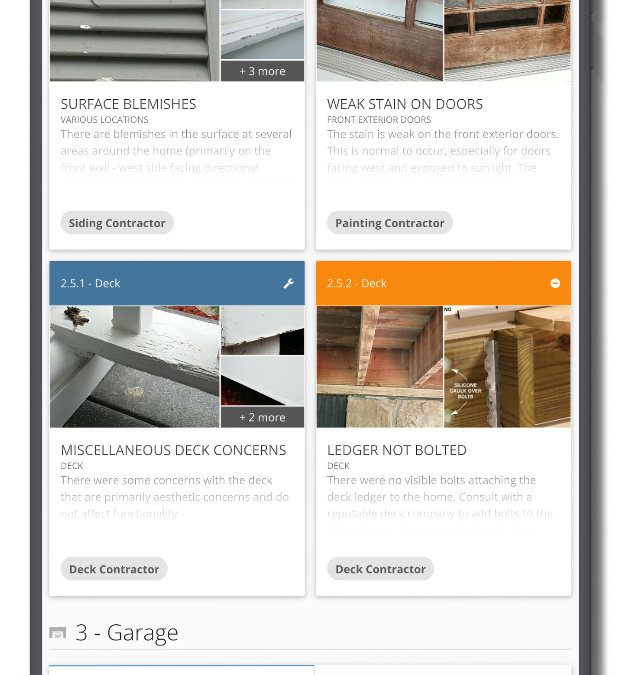
Photos add context that words alone can’t.
Why photos are important
-
They show location and scale
-
They reduce misinterpretation
-
They help you visualize conditions you may not have noticed during the walkthrough
Before reading long explanations, scan the photos to ground yourself in what’s actually being described.
Step 3: Read the Report One Section at a Time
Inspection reports are organized by systems so they’re easier to digest.
Common sections include:
-
Structure
-
Roofing
-
Plumbing
-
Electrical
-
HVAC
-
Interior and exterior components
East Texas context matters
Homes in East Texas often vary widely in:
-
Age
-
Foundation type (pier-and-beam vs slab)
-
Moisture exposure
-
Renovation history
Reading section by section helps you see each system in context instead of assuming everything is related.
Step 4: Pay Attention to the Language Inspectors Use
Inspectors choose their words carefully. Understanding the language helps you interpret findings correctly.
Common phrases explained
-
“Observed” – A visible condition at inspection time
-
“Monitor” – Not urgent, but worth keeping an eye on
-
“Recommend evaluation” – Additional review may provide clarity
-
“Not accessible” – The area couldn’t be safely inspected
These phrases are informational, not alarming.
Step 5: Separate Routine Maintenance From Bigger Concerns
Every home has maintenance items. That’s normal.
Common routine notes
-
Aging components
-
Minor cosmetic wear
-
Typical upkeep suggestions
Items that deserve closer attention
-
Active leaks or moisture concerns
-
Electrical safety issues
-
Structural movement patterns
-
Drainage problems around the home
The report helps you prioritize—not panic.
Step 6: Look for Patterns, Not Just Individual Notes
One of the most helpful ways to read a report is by looking for patterns.
Examples include:
-
Moisture noted in more than one area
-
Repeated structural movement indicators
-
Multiple drainage-related observations
Patterns often provide more insight than any single comment and help guide next steps.
Step 7: Take Notes and Write Down Questions as You Read
This step is often overlooked—and it makes a huge difference.
As you review your report:
-
Write down anything that feels unclear
-
Note items you want explained in simpler terms
-
Flag sections where context would help your decision-making
You don’t need to understand everything immediately. The goal is to capture questions while they’re fresh, so nothing gets missed later.
Step 8: Use the Report as a Conversation Tool
A home inspection report is meant to support conversations, not replace them.
Buyers often use the report to:
-
Ask informed questions
-
Understand trade-offs
-
Plan future maintenance
-
Make confident requests during negotiations
Sellers may use it to:
-
Prepare before listing
-
Address issues proactively
-
Reduce surprises during the transaction
The report is most powerful when paired with clear communication.
Step 9: The Q&A Call — Turning Information Into Confidence
After reviewing the report and your notes, the next step is often the most valuable: the Q&A call.
Every Palmer Inspections client is offered a dedicated question-and-answer call after the inspection. This is a time to:
-
Review findings together
-
Clarify what matters most
-
Understand how issues may affect decisions
-
Ask questions without pressure or rush
Why this matters
Many inspection reports contain good information, but confidence comes from understanding how it all fits together. The Q&A call helps bridge that gap.
Clients often say this conversation:
-
Reduces anxiety
-
Brings clarity to next steps
-
Helps them feel confident in home-buying decisions
-
Makes post-inspection requests more informed and realistic
This added layer of support ensures you’re not left interpreting a complex document on your own.
Final Thoughts: Understanding Leads to Better Decisions
A home inspection report isn’t meant to be overwhelming. When read step by step—and paired with thoughtful follow-up—it becomes one of the most helpful tools in the buying or selling process.
Clarity builds confidence. And confident decisions lead to smoother transactions.
Got Questions? We’re here to help Just reach out.