
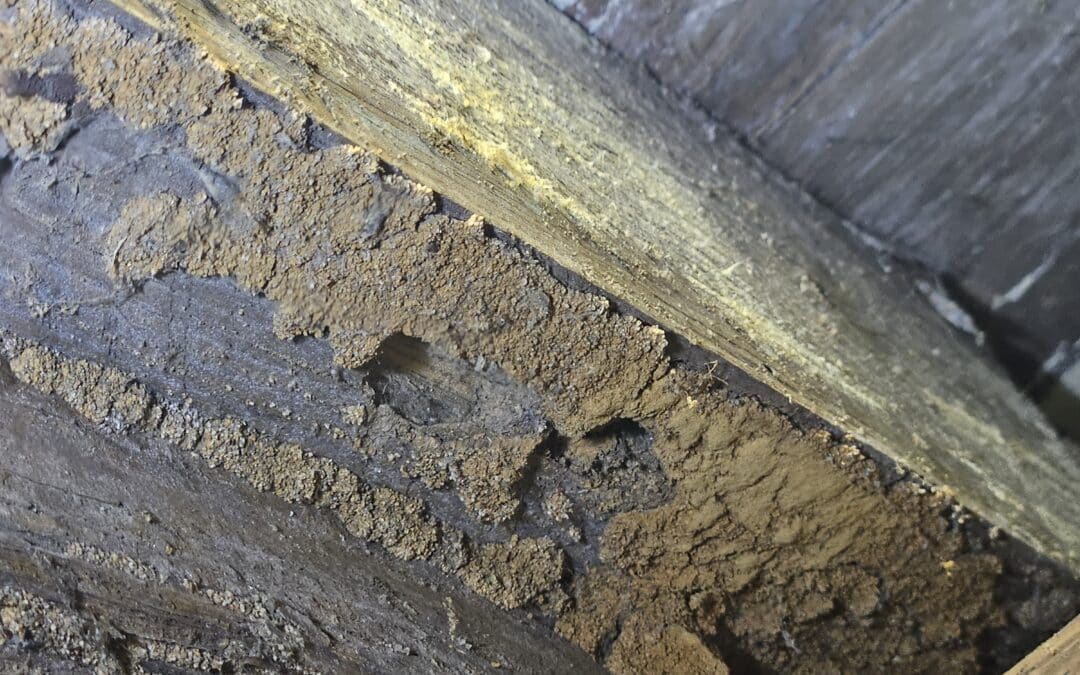
In East Texas, our warm climate and humidity are ideal conditions for pests to thrive — and none are more stealthy or destructive than termites. Many homeowners don’t realize how much damage these tiny insects can cause until it’s too late. In this post, we’ll explain the risks, warning signs, and practical steps you can take to protect your home.
Why Termites Are a Serious Threat in East Texas
- Termites are often called “silent destroyers” because they feed inside wood, where damage isn’t obvious until structural integrity is compromised.
- In Texas, especially in our region, subterranean termites are the most common and destructive type.
- The climate gives them an edge — mild winters mean termite activity is more continuous than in colder regions.
- Homeowners in East Texas report swarms of termites especially in spring, which often signal an active colony nearby.
When termites go unchecked, they can weaken beams, joists, wall studs, and other critical structural elements — sometimes making parts of a home unsafe or requiring expensive repairs.
Common Pests That Pose Problems Alongside Termites
While termites are often the villain, East Texas homeowners also contend with other pests:
- Carpenter ants and wood-boring beetles, which hollow wood and worsen existing damage
- Rodents and termites in tandem — rodents chewing gaps may create pathways termites exploit
- Moisture-loving insects like silverfish or cockroaches, which signal damp areas that also attract termites
Often these pests are symptoms of underlying issues (moisture intrusion, failing drainage, wood-to-soil contact) rather than just isolated nuisances.
Warning Signs to Watch For
You don’t need to wait until a beam collapses to know something’s wrong. Be on the lookout for:
- Mud tubes along the foundation or walls (termite “highways” from soil to wood)
- Hollow-sounding wood — tap beams, studs, or baseboards and listen
- Peeling or blistering paint, especially on wood surfaces
- Discarded wings or termite “swarmers”, especially near windowsills or lights
- Sagging floors or misaligned doors/windows — structural shifting from internal damage
- Frass (wood dust / droppings) near wood joints or on interior surfaces
If you see any of those, schedule a professional inspection immediately.
The Structural & Financial Impacts
- Compromised structural integrity: Termites can hollow out support beams and joists.
- Hidden damage: Because damage often occurs behind walls, in crawl spaces, or inside trim, what you see can be only a fraction of the total harm.
- Repair costs: In many Texas homes, repair bills from termite damage run into the thousands (or more).
- Lower property value: Homes with unresolved infestations or past termite history may lose buyer confidence.
- Insurance gaps: Many homeowner policies exclude termite damage. That means repairs often fall entirely on you.
Prevention & Protection Strategies
While termites are daunting, many of their threats are preventable or manageable. Here’s a homeowner-focused checklist for East Texas:
- Maintain a gap between wood and soil
Keep siding, trim, and structural wood at least 6 inches clear of the ground.
Avoid stacking mulch or firewood against the foundation. - Control moisture
Termites love damp environments. Fix leaks, clean gutters, ensure proper drainage, and slope soil away from your foundation. - Seal entry points
Seal cracks, gaps around pipes, vents, and penetrations where insects or termites might enter. - Install termite barriers or bait systems
Many pest professionals can set up preventive systems around your home that deter or interrupt termite activity. - Regular inspections
Schedule annual termite inspections by a qualified professional. Early detection is key.
Many infestations are discovered only after significant internal damage has been done. - Remove wood debris
Clear firewood, stumps, old wood materials, and tree roots away from the house. Piles of wood near your foundation are invitations. - Monitor for signs year-round
Don’t just check in spring — periodically inspect mud tubes, wood surfaces, and crawl spaces.
Pro Tip: Learn more about the importance of a Termite Inspection
What to Do If You Suspect Infestation
- Don’t try to treat serious infestations yourself unless you’re certified and experienced.
- Contact a licensed termite / pest control professional.
- Ask for a detailed inspection, including hidden areas (crawl spaces, attics, behind walls).
- Compare treatment options: baiting systems, chemical barriers, localized spot treatment.
- Document damage and treatment — this helps with future resale, warranties, or any insurance claims.
Final Thoughts
Termites and pests are among the most serious hidden threats facing East Texas homeowners. Because their damage is often concealed, they demand vigilance, preventive action, and periodic professional inspection. By taking steps to control moisture, limit wood-to-soil contact, inspect regularly, and remove wood debris, you significantly reduce your risk — and protect your most valuable asset: your home.