
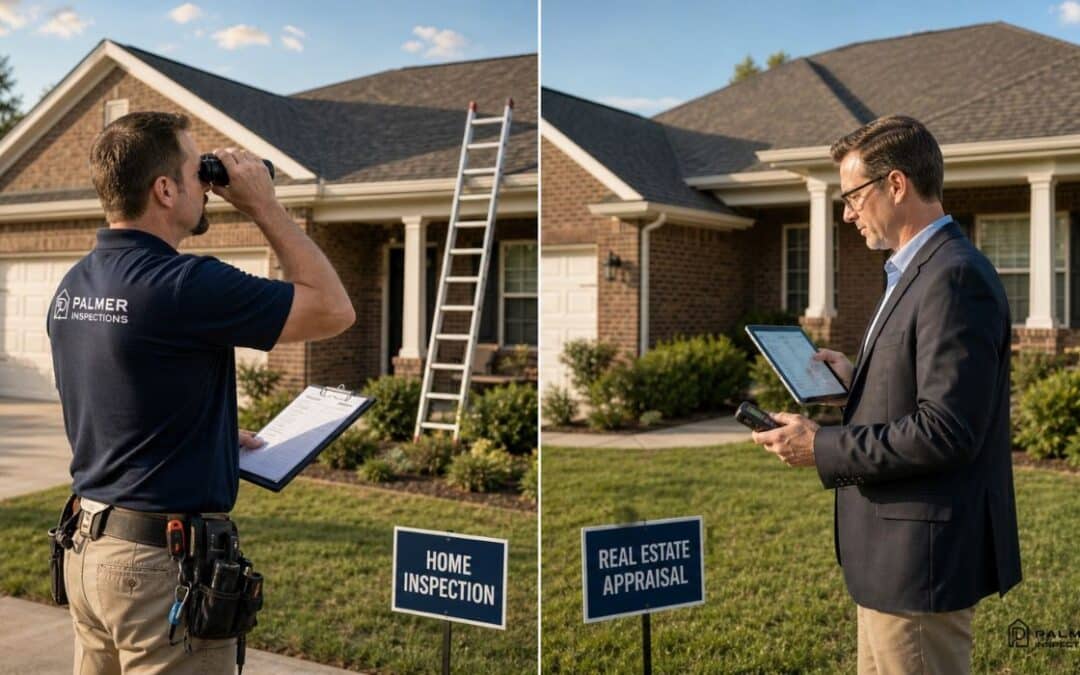
If you are buying or selling a home in East Texas, understanding home inspection vs appraisal: what’s the difference in Texas can save you time, money, and stress. These two steps are both part of the home buying process, but they serve completely different purposes.
A home inspection evaluates the physical condition of a property, while an appraisal determines its market value for the lender. One protects the buyer from hidden issues, and the other protects the lender from overpaying on a loan.
Whether you are purchasing your first home in Tyler, investing in Longview, or selling in Marshall, knowing how these two processes work will help you make smarter real estate decisions.
If you are planning a purchase in East Texas, you can get more details on professional inspections.
What Is a Home Inspection in Texas?
A home inspection is a detailed, non-invasive evaluation of a property’s condition. It is typically scheduled after your offer is accepted but before closing.
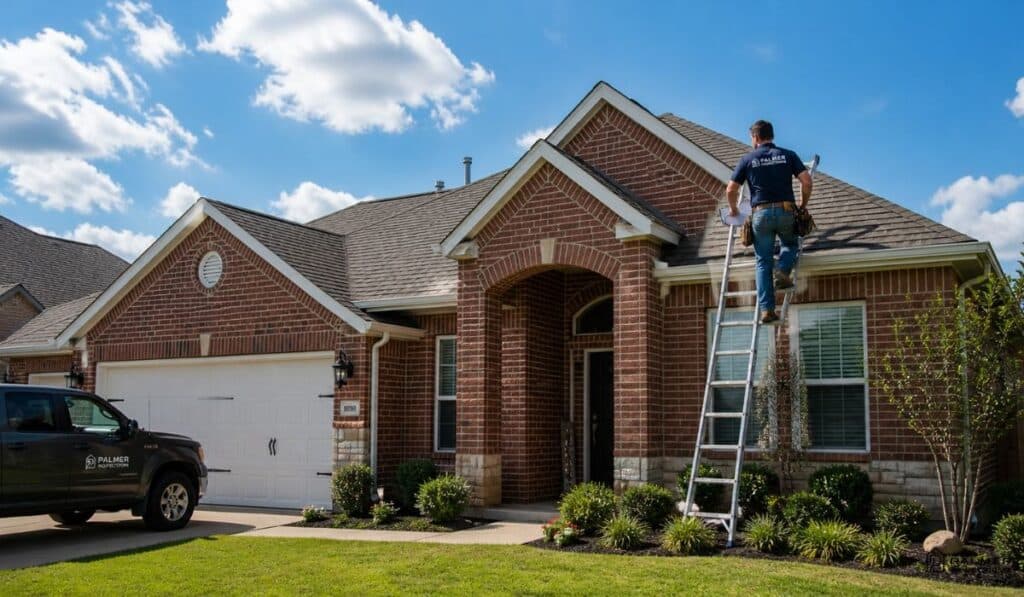
The goal is simple: uncover issues that are not visible during a normal walkthrough.
What a home inspector checks:
- Roof condition and leaks
- Foundation cracks or movement
- Electrical system safety
- Plumbing performance and leaks
- HVAC system condition
- Attic ventilation and insulation
- Doors, windows, and structural components
In East Texas areas like Longview, Kilgore, and Tyler, homes often face humidity, soil movement, and aging infrastructure. These conditions make inspections especially important.
Why this matters:
A home inspection gives you negotiating power. If issues are found, you may request repairs, credits, or even reconsider the purchase.
A detailed inspection helps you avoid costly surprises and gives you confidence in your purchase decision.
Learn how a full inspection protects your investment.
What Is a Home Appraisal in Texas?
A home appraisal is a professional estimate of a property’s market value. It is required by lenders before they approve a mortgage.
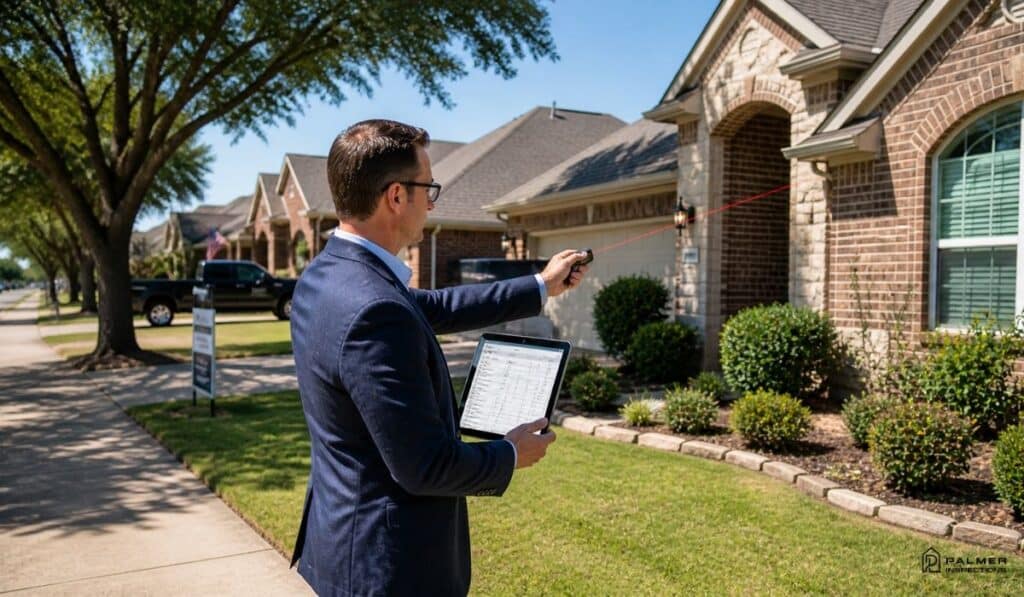
Unlike an inspection, an appraisal is not about repairs or safety. It is about financial value.
What appraisers consider:
- Recent comparable home sales in the area
- Property size, layout, and condition
- Neighborhood trends in places like Tyler or Lindale
- Overall market conditions in East Texas
- Property features and upgrades
For example, a similar home in Marshall may appraise differently than one in Bullard due to local demand and sales data.
Important reference:
According to the Consumer Financial Protection Bureau, appraisals help lenders ensure the home is worth the loan amount before approving financing.
Home Inspection vs Appraisal in Texas: Key Differences
Although they happen around the same time, inspection and appraisal are completely different processes.
1. Purpose
- Inspection: Identify property issues
- Appraisal: Determine market value
2. Who Orders It
- Inspection: Buyer (optional but highly recommended)
- Appraisal: Lender (required)
3. Focus
- Inspection: Physical condition and safety
- Appraisal: Financial worth
4. Outcome
- Inspection: Repair negotiations or decision to proceed
- Appraisal: Loan approval or adjustment
5. Impact
- Inspection affects your risk
- Appraisal affects your financing
Don’t move forward blind. Schedule a professional inspection before finalizing your deal.
Book your inspection now.
Why Both Matter in East Texas Real Estate
In East Texas markets like Tyler, Longview, and Henderson, homes vary widely in age, condition, and pricing. That makes both inspection and appraisal critical.
Here is how they work together:
- The inspection reveals hidden defects
- The appraisal confirms market value
- Together, they ensure a safer, fairer transaction
A home can appraise at value but still have major issues like roof leaks or foundation movement. On the other hand, a well-maintained home may still appraise lower due to market conditions.
Common Misunderstandings Buyers Should Avoid
Many buyers assume inspection and appraisal are similar. They are not.
Common mistakes:
- Thinking appraisal checks for repairs (it does not)
- Skipping inspection to save money
- Assuming appraisal guarantees home quality
- Believing both reports will match
In competitive East Texas areas like White Oak, Hallsville, and Mineola, skipping an inspection can lead to expensive repairs after closing.
When Each Step Happens in the Process
Understanding timing helps reduce stress during closing.
Typical sequence:
- Offer accepted
- Home inspection scheduled
- Negotiations based on inspection
- Lender orders appraisal
- Loan underwriting
- Closing
The inspection comes first because it gives buyers a chance to renegotiate or walk away before lender decisions are finalized.
Choosing a trusted inspector matters. You deserve clear answers and honest reporting before closing on a home in East Texas.
Work with experienced professionals at Palmer Inspections.
Why First-Time Homebuyers Need to Pay Attention
For first-time buyers in Tyler, Longview, or nearby communities, these two steps are essential safeguards.
A home inspection helps you:
- Understand the true condition of the home
- Avoid unexpected repair costs
- Negotiate with confidence
An appraisal helps you:
- Confirm you are not overpaying
- Secure mortgage approval
- Understand market value
Without both, you are making one of the largest financial decisions of your life with incomplete information.
Why Investors Care Even More
Real estate investors in Gilmer, Gladewater, and Overton rely heavily on both reports.
Inspection benefits:
- Identifies renovation costs
- Reveals hidden structural issues
- Helps estimate repair budgets
Appraisal benefits:
- Determines after-repair value (ARV)
- Supports financing decisions
- Validates investment returns
Smart investors never skip either step when evaluating properties.
East Texas properties move quickly, and inspection slots can fill fast during peak buying seasons.
Schedule your inspection early to avoid delays.
Do You Really Need Both?
In most Texas transactions, yes.
- Appraisal is required for financing
- Inspection is optional but strongly recommended
They serve different purposes but work together to protect both financial and physical interests in the transaction.
Final Thoughts
Understanding home inspection vs appraisal: what’s the difference in Texas helps buyers, sellers, and agents avoid confusion and costly mistakes. One protects your safety and investment condition, while the other protects the lender’s financial risk.
If you are buying or selling a home in East Texas, especially in areas like Longview, Tyler, Marshall, Kilgore, and surrounding communities, having a clear inspection report gives you confidence at every step of the transaction.
Make your next move with clarity and confidence. A professional inspection can help you understand the real condition of your future home before you commit.
Start here
FAQ:
1. Does a home inspection determine home value?
No. It only evaluates condition, not market price.
2. Can a low appraisal stop a home purchase?
Yes. If the appraisal is lower than the offer, financing may be affected.
3. Which comes first in Texas, inspection or appraisal?
The inspection usually comes first.
4. Do FHA or VA loans require both?
Yes. Appraisal is required, and inspection is strongly recommended.
5. Can I skip a home inspection in Texas?
Yes, but it is risky and not advised.