

A healthy home starts with clean indoor air, and one of the most effective ways to improve indoor air quality is through a professional home inspection. Healthy homes inspections improve indoor air quality by identifying hidden moisture, ventilation issues, mold risks, and structural concerns that affect the air you breathe every day.
In East Texas, where humidity, seasonal storms, and older homes are common in Longview, Tyler, Marshall, and surrounding communities, these issues often go unnoticed until they become costly or impact health. A professional inspection helps uncover problems early so buyers, sellers, and real estate agents can move forward with confidence.
If you’re buying your first home, preparing to list, managing rental properties, or simply wanting a healthier living environment, inspections play a key role in improving indoor air quality and creating healthier homes.
Why Indoor Air Quality Matters in East Texas Homes
Indoor air quality affects comfort, health, and long term home performance. Many homeowners are surprised to learn that indoor air can sometimes be more polluted than outdoor air.
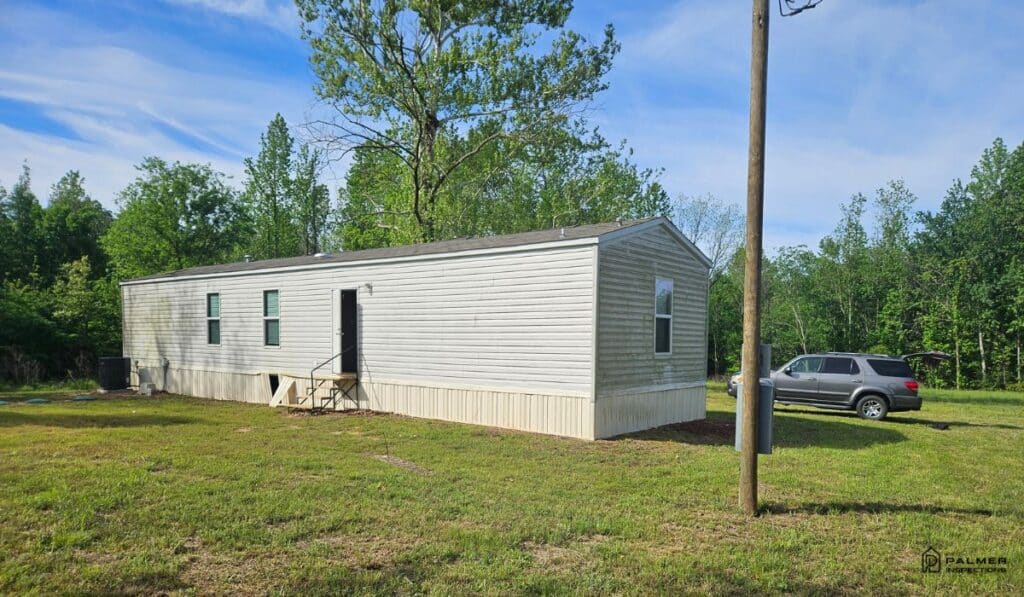
In East Texas, several factors commonly affect indoor air quality:
- High humidity levels
- Seasonal temperature swings
- Older homes with aging materials
- Crawl space moisture
- Roof leaks and attic ventilation issues
- Dust, allergens, and mold growth
These issues are especially common across Longview, Tyler, Kilgore, Marshall, and surrounding communities.
Poor indoor air quality may lead to:
- Allergy symptoms
- Respiratory irritation
- Persistent odors
- Increased dust accumulation
- Mold exposure risks
- Higher energy bills
For families with children, elderly residents, or individuals with asthma, addressing indoor air quality becomes even more important.
How Inspections Can Improve Indoor Air Quality
A professional inspection evaluates key systems that directly impact indoor air quality. Inspectors look beyond cosmetic issues to identify hidden concerns.
1. Identifying Moisture Problems
Moisture is one of the biggest contributors to poor indoor air quality. Even small leaks can lead to mold growth and air contamination.
Inspectors typically check:
- Roof leaks
- Plumbing leaks
- Crawl space moisture
- Foundation cracks
- Drainage around the home
East Texas humidity makes moisture issues more common. Early detection helps prevent mold and structural damage.
2. Evaluating Ventilation Systems
Proper ventilation keeps indoor air fresh and healthy. Poor ventilation allows humidity, dust, and pollutants to build up.
Inspectors evaluate:
- Attic ventilation
- Bathroom exhaust fans
- Kitchen ventilation
- Crawl space airflow
- HVAC airflow conditions
Homes in Longview, Tyler, and Marshall often experience ventilation challenges due to climate conditions.
3. Detecting Mold and Growth Conditions
Mold often grows in hidden areas. Even when mold is not visible, conditions may still exist.
Inspectors look for:
- Water stains
- Musty odors
- Damp insulation
- Wood rot
- Poor airflow
Early identification helps prevent costly remediation.
For more information about mold and indoor air quality, the U.S. Environmental Protection Agency explains that moisture control is the most effective way to prevent mold growth and improve indoor air quality.
4. Checking HVAC System Conditions
Your HVAC system directly impacts indoor air quality. Poor maintenance can circulate dust and allergens.
Inspections often identify:
- Dirty filters
- Ductwork concerns
- Improper airflow
- Aging systems
- Maintenance issues
Improving HVAC performance helps maintain healthier indoor air.
5. Inspecting Crawl Spaces and Attics
Crawl spaces and attics significantly impact indoor air quality.
Common issues include:
- Crawl space humidity
- Mold growth
- Insulation problems
- Ventilation issues
- Roof leaks
Addressing these concerns improves both air quality and home performance.
Who Benefits Most from Healthy Home Inspections
First Time Homebuyers
First time buyers often focus on cosmetic features. A professional inspection helps identify hidden air quality issues before closing.
Protect your investment with a comprehensive inspection.
Health Conscious Homeowners
Homeowners experiencing allergies, headaches, or persistent odors may benefit from a professional inspection.
Identifying moisture and ventilation problems often improves indoor air quality.
Families with Children or Elderly Residents
Children and seniors are more sensitive to indoor air quality concerns. Inspections help reduce health risks and create safer environments.
Home Sellers Preparing to List
Pre listing inspections help sellers address issues before buyers discover them.
Benefits include:
- Fewer surprises
- Stronger buyer confidence
- Smoother negotiations
- Faster closings
Real Estate Investors and Landlords
Investors benefit from regular inspections that help protect tenants and preserve property value.
Manage your investment properties with confidence.
Book your inspection today
Common Indoor Air Quality Issues Found in East Texas Homes
Homes throughout East Texas commonly experience:
- Attic ventilation issues
- Roof leaks
- Crawl space humidity
- Poor insulation
- Foundation moisture
- Aging HVAC systems
- Plumbing leaks
These issues may seem minor but can significantly impact indoor air quality.
Why Real Estate Agents Recommend Healthy Home Inspections
Real estate agents benefit when transactions move smoothly.
Inspections help:
- Reduce deal delays
- Improve buyer confidence
- Prevent last minute surprises
- Support smoother negotiations
Avoid last minute surprises before closing.
Schedule your inspection today.
Preventative Inspections for Better Indoor Air Quality
Regular inspections help maintain healthier homes.
Preventative inspections help:
- Catch issues early
- Improve ventilation
- Prevent mold growth
- Maintain HVAC performance
- Reduce long term repair costs
This is especially helpful in humid East Texas climates.
Service Areas Across East Texas
Palmer Inspections proudly serves:
Longview, Tyler, Kilgore, Hallsville, White Oak, Gladewater, Lakeport, Liberty City, Judson, East Mountain, Diana, Gilmer, Henderson, Marshall, Overton, New London, Tatum, Harleton, Big Sandy, Winona, Arp, Chandler, Lindale, Mineola, Bullard, Hawkins, and surrounding areas.
Creating Healthier Homes in East Texas
Healthy homes start with understanding what is happening behind the walls, in the attic, and beneath the home. Professional inspections help identify hidden issues that affect indoor air quality and overall comfort.
For homebuyers, inspections provide confidence.
For sellers, they prevent surprises.
Homeowners and investors, they protect long term value.
If you are buying, selling, or maintaining a home in Longview, Tyler, Marshall, or anywhere across East Texas, a professional inspection can help you create a healthier living environment.
Start with trusted, local expertise at Palmer Inspections
A healthier home starts with better air, and better air starts with a thorough inspection.
Frequently Asked Questions
Can a home inspection identify indoor air quality issues?
Yes. Inspections often identify conditions like moisture, ventilation problems, and HVAC issues that affect indoor air quality.
What are signs of poor indoor air quality?
Musty odors, excess dust, humidity, visible mold, and allergy symptoms.
Are indoor air quality issues common in East Texas?
Yes. Humidity and seasonal weather make moisture and ventilation issues more common.
Should sellers get an inspection before listing?
Yes. Pre listing inspections help avoid surprises and improve buyer confidence.
How often should homeowners schedule inspections?
Many homeowners benefit from inspections every one to two years.