

A fall home inspection checklist for East Texas homeowners helps you catch seasonal problems before they become expensive repairs. In areas like Longview, Tyler, Marshall, Kilgore, Hallsville, White Oak, Gladewater, Henderson, Lindale, Mineola, and surrounding communities, fall is the right time to check your roof, gutters, foundation, HVAC system, plumbing, septic system, crawlspace, and termite-prone areas.
East Texas homes deal with heat, humidity, heavy rain, clay soil movement, termites, aging roofs, and rural septic systems. That combination makes seasonal maintenance especially important for homeowners, first-time buyers, sellers, real estate agents, and investors.
If you are preparing to buy, sell, or maintain a home this season, a professional inspection can give you a clear picture of the property’s condition. You can review Palmer Inspections’ home inspection services.
Why Fall Is a Smart Time to Inspect Your East Texas Home
Fall gives homeowners a useful window between summer heat and winter weather. By this point, your home has been through high temperatures, storms, humidity, and seasonal wear. Inspecting now helps you address issues before colder weather, heavier rain, or a real estate transaction adds pressure.
For buyers, a fall inspection can uncover repair needs before closing. For sellers, it can help prevent surprises after listing. Agents, it gives clients practical information they can use during negotiations.
A fall inspection is especially valuable for:
- First-time homebuyers who need a clear understanding of the property
- Sellers preparing for fall or winter listings
- Rural homeowners with septic systems
- Owners of mobile or manufactured homes
- Investors evaluating rental or flip properties
- Agents helping clients make confident decisions
Texas real estate inspectors follow Standards of Practice set by the Texas Real Estate Commission, which define minimum inspection requirements for one-to-four-family residential properties. You can review the official TREC inspection standards.
Fall Home Inspection Checklist for East Texas Homeowners
This checklist focuses on the areas most likely to be affected by East Texas weather, soil, pests, and property conditions.
1. Roof and Attic
Your roof is one of the first places to check in the fall. Summer storms, heat, wind, and falling limbs can damage shingles, flashing, vents, and roof penetrations.
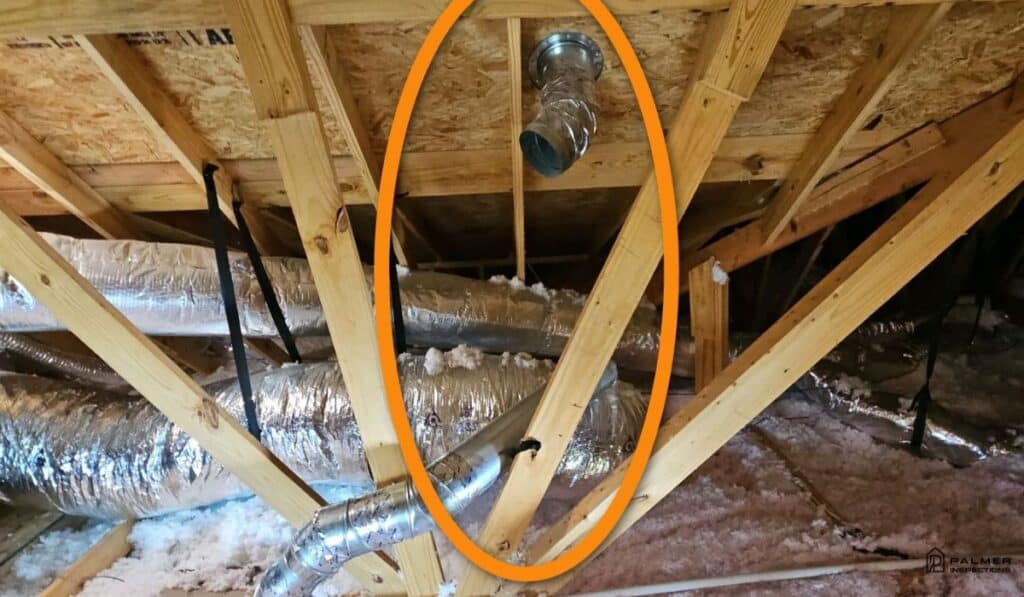
Look for:
- Missing, curled, or lifted shingles
- Damaged flashing around chimneys or vents
- Granules collecting in gutters
- Soft spots or sagging roof areas
- Water stains in the attic
- Daylight showing through roof decking
Inside the attic, check for moisture, stains, mold-like growth, poor ventilation, and damaged insulation. A small roof leak can become a much bigger issue once fall rain moves through East Texas.
If you are under contract or preparing to list, do not guess about roof condition. Schedule an inspection before small concerns turn into closing delays.
2. Gutters, Drainage, and Grading
Drainage matters in East Texas. Clay-heavy soil can expand when wet and shrink when dry, which may contribute to movement around foundations.
Check that gutters are clean and firmly attached. Downspouts should carry water away from the structure, not dump it beside the foundation.
Walk around the property after rain and look for:
- Standing water near the home
- Soil erosion
- Low spots near the foundation
- Water draining toward the house
- Overflowing gutters
- Wet crawlspace areas
Poor drainage can affect the foundation, crawlspace, siding, and septic system. This is especially important in rural areas around Diana, Gilmer, Tatum, Harleton, Big Sandy, Winona, Arp, and Overton.
3. Foundation and Crawlspace
Foundation movement is a common concern across East Texas. Homes may sit on slab foundations, pier and beam systems, or other foundation types depending on age, location, and construction style.
Watch for:
- Cracks above doors or windows
- Doors that stick or do not latch
- Sloping floors
- Gaps around trim
- Cracked brick or exterior mortar
- Uneven flooring
For pier and beam homes, crawlspace conditions matter. Moisture, poor ventilation, wood rot, pest activity, and plumbing leaks can all affect long-term performance.
A professional inspection can help separate normal settling from conditions that need further evaluation. That clarity is valuable for homeowners, buyers, sellers, and agents.
4. HVAC System
Fall is the best time to test your heating system before cooler weather arrives. Many homeowners do not think about heat until the first cold snap, which is when problems become inconvenient.
Before winter, you should:
- Replace air filters
- Test the heating system
- Check airflow in each room
- Listen for unusual noises
- Look for rust, moisture, or damaged ductwork
- Make sure vents are open and unobstructed
For mobile homes and older homes, HVAC performance is especially important. Uneven heating, damaged ducts, or poor airflow can affect comfort, energy use, and safety.
5. Plumbing and Water Heater
Plumbing issues can be easy to miss until damage has already started. Fall is a good time to check visible plumbing before colder temperatures arrive.
Inspect:
- Under sinks
- Around toilets
- Water heater connections
- Outdoor faucets
- Exposed pipes
- Crawlspace plumbing
- Laundry connections
Look for corrosion, moisture, staining, slow drains, and dripping valves. If the home has recurring drain issues, a sewer scope inspection may be worth discussing before purchase.
Water heaters should also be checked for age, leaks, rust, proper installation, and signs of wear. For buyers, water heater condition can affect both safety and future maintenance costs.
Septic Systems: A Must-Check for Rural East Texas Properties
Many homes outside city limits rely on septic systems. This is common around rural areas near Longview, Tyler, Kilgore, Henderson, Marshall, Lakeport, Liberty City, East Mountain, and surrounding communities.
A septic issue can be expensive and stressful, especially during a real estate transaction. Fall rainfall can also reveal drainage problems, saturated soil, or drain field concerns.
Signs of Septic Problems
Watch for:
- Slow drains throughout the home
- Gurgling sounds in plumbing
- Sewage odors
- Wet or spongy areas in the yard
- Unusually green grass over the drain field
- Backups or standing water near septic components
For buyers, a septic inspection can help identify system concerns before closing. For sellers, it can reduce uncertainty and support a smoother transaction.
If the property has a septic system, Palmer Inspections offers dedicated septic inspections for East Texas buyers, sellers, and agents.
Termite and WDI Concerns in East Texas
Termites are a serious concern in East Texas because of the warm, humid climate. Wood-destroying insects can damage structural components long before obvious signs appear.
Fall is a smart time to check for termite activity, especially around moisture-prone areas.
Look for:
- Mud tubes on foundation walls
- Soft or hollow-sounding wood
- Bubbling or blistered paint
- Discarded wings
- Damaged trim
- Wood-to-soil contact
- Moisture around crawlspaces or siding
Buyers, sellers, and agents should pay close attention to WDI reports during real estate transactions. Many lenders and contracts may require termite-related documentation.
For peace of mind, Palmer Inspections provides licensed WDI termite inspections for Longview, Tyler, and East Texas properties.
Fall Checklist for First-Time Homebuyers in East Texas
First-time buyers often focus on layout, price, and location. Those are important, but property condition matters just as much.
If you are buying your first home in East Texas, ask these questions:
- How old is the roof?
- Does the home have a septic system?
- Are there signs of foundation movement?
- Has the property had termite treatment?
- Is there evidence of drainage issues?
- Are the HVAC and water heater near the end of their service life?
- Are there repairs that may affect insurance, financing, or negotiations?
A clear inspection report can help you understand what is urgent, what is routine, and what may need specialist evaluation.
Fall Checklist for Sellers and Real Estate Agents
Sellers can benefit from a pre-listing inspection before putting a home on the market. It gives you time to address issues before the buyer’s inspection.
For agents, this can help reduce surprises, support better pricing conversations, and keep transactions moving.
A fall pre-listing inspection can help identify:
- Roof concerns
- Termite or WDI risks
- HVAC issues
- Plumbing leaks
- Drainage problems
- Foundation movement
- Septic concerns
- Safety defects
This is especially useful for older homes, rural properties, investment properties, and homes that have not been inspected in several years.
Fall Checklist for Investors and Landlords
Investors need to look at homes differently. The question is not only “Is this home livable?” but also “What will this property cost to maintain?”
Before buying or preparing a rental for winter, inspect:
- Roof condition
- HVAC performance
- Plumbing and drainage
- Electrical safety concerns
- Foundation movement
- Sewer or septic condition
- Pest and termite risks
- Moisture-prone areas
For rental homes, fall inspections can help reduce emergency calls during winter. For flip properties, inspections can help clarify repair budgets before renovation begins.
Quick Fall Maintenance List for East Texas Homes
Some fall tasks are simple but easy to overlook.
Use this quick list as a seasonal reminder:
- Replace HVAC filters
- Test smoke and carbon monoxide alarms
- Clean gutters
- Trim limbs away from the roof
- Seal gaps around windows and doors
- Check weather stripping
- Inspect exterior caulking
- Drain outdoor hoses
- Test GFCI outlets
- Look for standing water after rain
- Check attic and crawlspace moisture
- Watch for termite warning signs
If anything looks questionable, it is better to investigate early than wait for damage to spread.
Conclusion
A fall home inspection checklist for East Texas homeowners is more than a seasonal to-do list. It is a practical way to protect your home, prepare for changing weather, and make better real estate decisions.
For buyers, it can reveal concerns before closing. For sellers, it can reduce last-minute surprises. Agents, it helps clients move forward with more confidence. For homeowners and investors, it supports smarter maintenance and fewer unexpected repairs.
Whether you are in Longview, Tyler, Marshall, Kilgore, Hallsville, White Oak, Gladewater, Lakeport, Liberty City, Judson, East Mountain, Diana, Gilmer, Henderson, Overton, New London, Tatum, Harleton, Big Sandy, Winona, Arp, Chandler, Lindale, Mineola, Bullard, Hawkins, or nearby East Texas communities, fall is the right time to look closer at your property.
For a clearer picture before buying, selling, or preparing your home for the season, schedule with Palmer Inspections.
FAQ: Fall Home Inspection Checklist for East Texas Homeowners
What should be included in a fall home inspection?
A fall home inspection should include the roof, attic, gutters, drainage, foundation, crawlspace, HVAC system, plumbing, water heater, electrical safety items, septic system if present, and termite-prone areas.
Why is fall a good time for a home inspection in East Texas?
Fall is ideal because the home has already experienced summer heat, storms, humidity, and soil movement. Inspecting before winter helps homeowners, buyers, sellers, and agents catch issues early.
Do East Texas homes need termite inspections in the fall?
Yes. Termite activity is a year-round concern in East Texas. Fall is a practical time to check for moisture issues, wood damage, and WDI warning signs before they become more serious.
Should rural homebuyers get a septic inspection?
Yes. Rural homes often depend on septic systems, and repairs can be costly. A septic inspection helps buyers understand the system’s condition before closing.
Is a pre-listing inspection worth it for sellers?
Yes. A pre-listing inspection can help sellers identify repairs early, reduce negotiation surprises, and give buyers more confidence in the property.