
Electrical systems are one of the most important—and most misunderstood—parts of a home. Many electrical issues don’t cause immediate problems, but over time they can increase the risk of equipment failure, damage, or safety concerns if left unaddressed.
A professional home inspection helps identify early warning signs so homeowners and buyers can take action before small issues turn into bigger hazards.
In East Texas, where homes range from decades-old properties to fast-paced new construction, understanding how inspectors evaluate electrical systems can help you make safer, more informed decisions.
Why electrical issues often go unnoticed
Unlike plumbing leaks or roof damage, electrical concerns are often hidden behind walls, panels, and fixtures. Homes may appear to function normally even when underlying conditions exist.
Common reasons electrical concerns go unnoticed include:
- Systems that still “work” despite outdated components
- Modifications made over time by different installers
- Wear that develops slowly and quietly
- Issues that aren’t visible without testing or access
This is why visual-only assumptions aren’t enough. Inspections focus on patterns, condition, and configuration, not just whether something turns on.
What do home inspectors look at during an electrical inspection?
A home inspection includes a non-invasive evaluation of accessible electrical components. Inspectors don’t dismantle systems, but they look for visible indicators that help assess overall condition and safety.
Key areas inspectors evaluate include:
- The main electrical panel and subpanels
- Visible wiring and connections
- Grounding and bonding components
- Representative outlets and switches
- GFCI and AFCI protection where applicable
Each of these areas can reveal early clues about how the system was installed and how it has aged over time.
How inspectors identify early warning signs
Inspectors are trained to spot conditions, not diagnose failures. Many electrical hazards begin as small, observable details.
Common indicators inspectors watch for:
- Inconsistent or improper wiring methods
- Signs of overheating at connections
- Panel configurations that suggest overloading
- Missing or incomplete safety protections
- Aging components that no longer meet modern expectations
These observations help inspectors explain why something may deserve attention—long before it becomes an emergency.
Why electrical panels matter so much
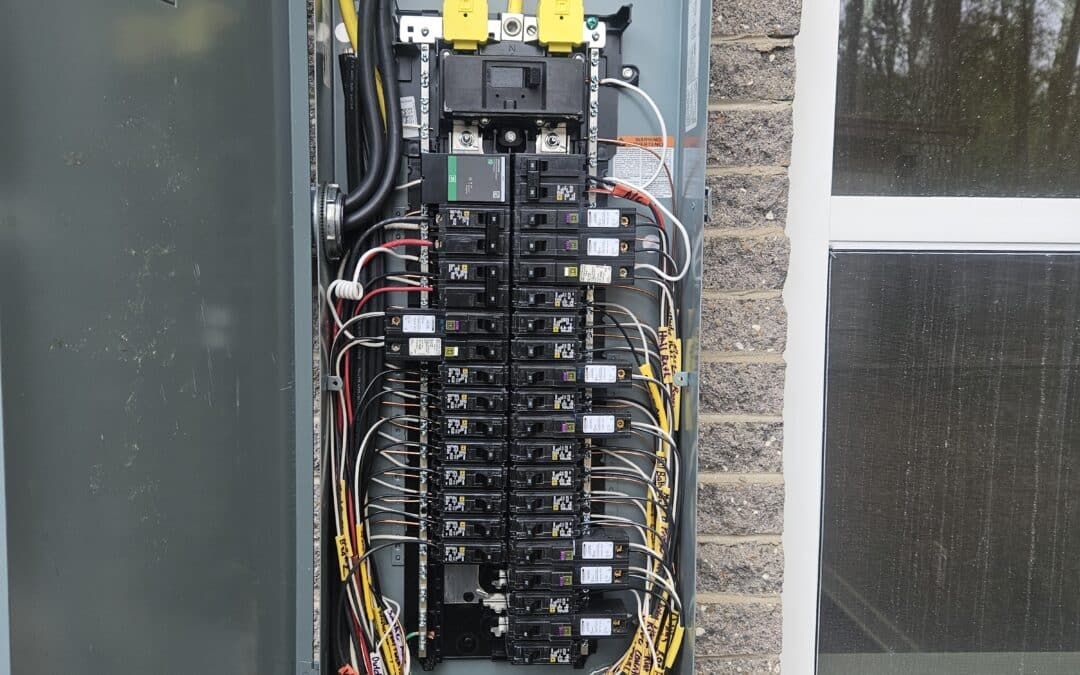
The electrical panel is the control center of the home’s electrical system. Its condition can reveal a lot about the home’s electrical history.
Inspectors evaluate panels for:
- Proper labeling and accessibility
- Evidence of moisture exposure
- Wiring organization and termination
- Compatibility with the home’s electrical demand
A panel that looks crowded or disorganized doesn’t automatically mean failure—but it often signals that further evaluation may be warranted.
How outlet testing helps uncover hidden concerns
Inspectors typically test a sample of outlets throughout the home using specialized testers. This helps evaluate:
- Polarity and grounding
- GFCI protection in key areas
- Consistent operation
Testing doesn’t guarantee perfection, but it can reveal patterns that point to installation or wiring concerns elsewhere in the home.
Electrical concerns in older East Texas homes
Many homes across East Texas were built long before modern electrical standards became common. That doesn’t mean these homes are unsafe—but it does mean they deserve careful evaluation.
Inspectors often see:
- Outdated wiring methods
- Limited electrical capacity compared to modern usage
- Modifications made over time without consistency
- Older components that have simply reached the end of their typical service life
Understanding what’s typical for a home’s age helps buyers plan realistically instead of reacting emotionally.
Electrical concerns in new construction homes
New homes aren’t immune to electrical concerns. In fast-paced construction environments, details can sometimes be overlooked.
Inspectors may observe:
- Incomplete or missing protections
- Loose or poorly organized wiring
- Inconsistent labeling
- Finish details that impact accessibility
This is why inspections are valuable even for brand-new homes—before walls are covered by furniture and everyday living begins.
Learn more about Why You Should Get a New Construction Home Inspection Before Moving In
Why inspectors focus on explanation, not alarm
A professional inspection is not about creating fear. It’s about education and clarity.
When inspectors explain electrical observations, they aim to:
- Help you understand what was observed
- Explain why it matters in plain language
- Distinguish between maintenance items and safety priorities
- Encourage informed follow-up when appropriate
This approach helps homeowners make decisions calmly and confidently.
How inspection findings help prevent future hazards
By identifying conditions early, inspections give homeowners the opportunity to:
- Address issues before they worsen
- Improve overall safety
- Budget for upgrades over time
- Understand their home’s electrical system better
Electrical hazards rarely appear overnight. They develop gradually—and inspections are one of the best tools for catching them early.
Final thoughts
Electrical systems are complex, but understanding how inspectors evaluate them can make the inspection process far less intimidating.
A thorough home inspection helps shine a light on potential concerns before they become hazards, giving buyers and homeowners the information they need to move forward safely.
Working with an inspector who understands East Texas homes, construction styles, and regional trends can make all the difference.