
The Ground Beneath Our Feet: Why East Texas Soil Matters
If you’ve lived in East Texas for long, you already know our land has a personality all its own. From Longview to Tyler and across the piney woods, the soil here expands, contracts, and shifts — often more than homeowners realize.
Those movements might seem subtle, but over time, they can cause foundation cracks, sticky doors, and uneven floors. And in the world of home inspections, foundation issues are one of the biggest concerns we see across East Texas homes.
This cornerstone guide is designed to help you understand why soil movement happens, what signs to watch for, and how to protect your home’s foundation before small problems become big ones.
Understanding East Texas Soil Types
East Texas has a variety of soil compositions, but the most common — and troublesome — is expansive clay soil.
When clay soil gets wet, it swells. When it dries out, it shrinks. That constant movement beneath your foundation puts stress on your home’s structure, leading to cracks and misalignment.
Here’s a quick look at what’s underfoot:
- Clay-rich soils: Found throughout Longview, Marshall, and Kilgore — prone to expansion and contraction.
- Sandy soils: More common toward Tyler and Henderson — drain faster but may lead to settling or erosion.
- Mixed soils: Combination zones where expansion, contraction, and moisture drainage interact unpredictably.
When you combine these natural soil traits with our East Texas weather cycles — long, hot summers and heavy seasonal rains — you’ve got the perfect setup for soil movement and foundation stress.
How Soil Movement Affects Your Foundation
Soil movement doesn’t always happen suddenly. It’s usually a slow, steady process that quietly impacts your foundation over time.
Here’s how it works:
- Rainy Season:
- Clay soils absorb moisture and expand.
- Pressure builds beneath the foundation.
- Concrete can lift or crack.
- Dry Season:
- Soil loses moisture and contracts.
- Voids form under the slab.
- Foundation settles unevenly.
- Over Time:
- This constant up-and-down movement (heaving and settling) causes structural stress.
- Cracks appear in walls, ceilings, and flooring.
- Doors and windows begin to stick or misalign.
Even if your foundation seems fine now, that subtle cycle of movement can take a toll over the years — especially in older homes or those built before modern foundation standards.
Common Signs of Foundation and Soil Movement
How can you tell if your home’s foundation is feeling the effects of East Texas soil?
Here are the most common signs homeowners should watch for:
Inside Your Home:
- Cracks in drywall, especially above doorways or windows
- Doors or windows that stick or won’t latch properly
- Uneven or sloping floors
- Gaps between walls and trim or between cabinets and countertops
Outside Your Home:
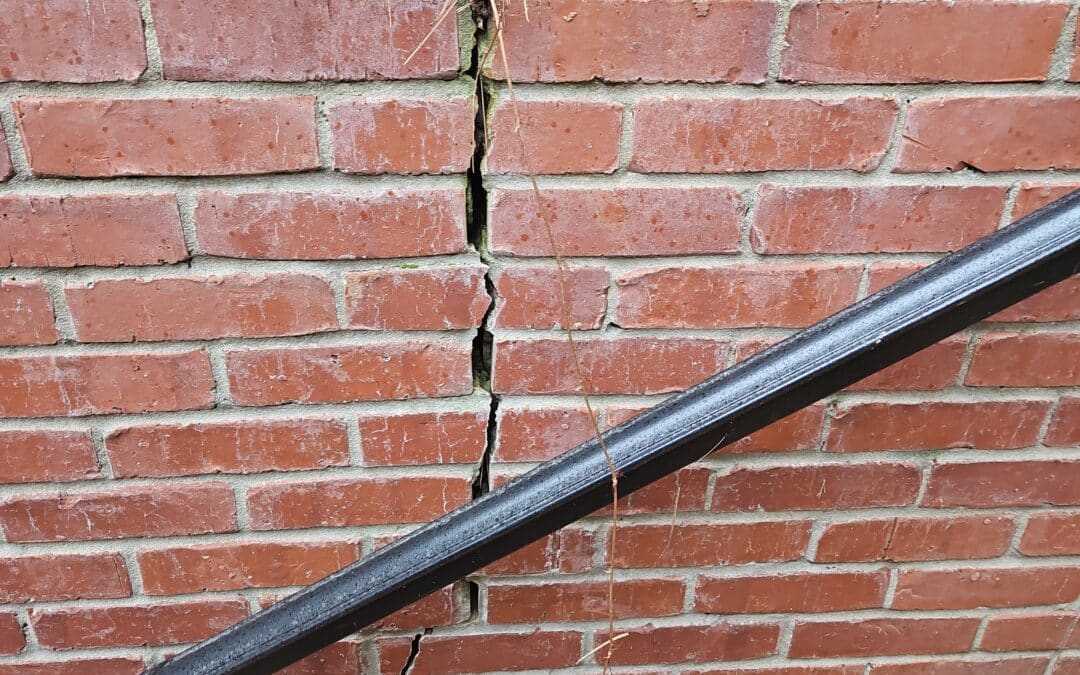
- Cracks in brick or mortar joints
- Gaps between bricks and window frames
- Uneven expansion joints in patios or driveways
- Visible separation between the foundation and the exterior wall
Not all cracks or gaps mean a serious foundation problem — but they’re worth keeping an eye on. Early detection can prevent expensive repairs later.
Check out The Complete Guide to Home Inspections in East Texas
How Weather and Water Play a Role
In East Texas, weather and water are the biggest drivers of soil movement.
1. Heavy Rain and Flooding
Prolonged rain saturates the ground, causing expansive clay to swell and push against the foundation. Poor drainage only makes it worse.
2. Drought and Heat
During dry spells, soil shrinks and pulls away from the foundation. That creates air pockets that can cause one section of the home to sink.
3. Improper Drainage
Homes without proper gutters, grading, or drainage systems are at higher risk for uneven moisture levels around the foundation — leading to one side of the home moving more than the other.
The key? Balance. Keeping moisture levels consistent year-round helps prevent the extreme shifts that cause cracks and stress fractures.
Preventing Foundation Problems Before They Start
You can’t control the soil, but you can minimize its impact. Here’s how:
🌦 Maintain Consistent Moisture Around Your Home
- Install and maintain gutters and downspouts to direct water away from the foundation.
- During droughts, lightly water the soil near your foundation to prevent extreme drying.
- Avoid overwatering near the base — standing water can cause more harm than good.
🌳 Manage Landscaping Wisely
- Keep large trees and shrubs at least 10–15 feet from the home. Roots draw moisture unevenly from the soil.
- Use mulch to retain moisture consistency during dry months.
🏠 Ensure Proper Drainage
- Check that your yard slopes away from the foundation (minimum 6 inches of slope over 10 feet).
- Extend downspouts at least 3–4 feet away from the house.
- Install French drains if necessary in low-lying areas.
🧰 Schedule Routine Inspections
Even if you don’t notice visible cracks, an annual or biannual inspection can identify small shifts early.
- A professional inspector can check for minor foundation movement, moisture levels, and drainage issues before they escalate.
Click here to learn more about the importance of drainage for your home
What Home Inspectors Look For
When Palmer Inspections evaluates a home in East Texas, we pay close attention to signs of movement and moisture that could affect the structure’s integrity.
A typical foundation evaluation includes:
- Visual inspection of cracks in walls, floors, and ceilings
- Checking for uneven floors using precision tools
- Examining exterior brick and mortar separation
- Assessing site grading and drainage patterns
- Identifying vegetation or irrigation impacts
- Thermal imaging (to detect moisture under slabs or behind walls)
We use advanced technology and infrared imaging to see what the eye can’t — ensuring a complete understanding of your home’s condition.
Repair vs. Prevention: What’s Better?
Once foundation issues start, repairs can be expensive — but many problems can be prevented through simple maintenance and early detection.
Foundation repair costs in East Texas can range from a few hundred dollars for minor adjustments to tens of thousands for major structural corrections. That’s why prevention is always the smarter investment.
The best plan:
- Keep water managed.
- Maintain consistent soil moisture.
- Inspect annually.
- Address small cracks immediately.
A well-maintained home doesn’t just stay standing — it retains value, provides peace of mind, and gives buyers confidence if you ever decide to sell.
East Texas Weather Cycles: A Hidden Culprit
Our unique climate is part of what makes East Texas beautiful — but it’s also what makes foundation maintenance so important.
- Spring storms → saturate the soil and create expansion.
- Summer heat → dries it out and triggers contraction.
- Fall moisture → shifts soil again, often causing late-year cracks.
That cycle repeats every year. Awareness is the first step to protecting your home long-term.
The Palmer Inspections Promise
At Palmer Inspections, we’re not just here to identify problems — we’re here to help East Texas homeowners understand their homes better.
Every inspection includes:
- Clear communication — simple, accurate explanations of findings
- A detailed digital report within 24 hours
- Follow-up Q&A to answer your questions
- Infrared technology to detect unseen issues
- Long-term accessibility — we’re here even after the inspection
We believe knowledge brings confidence — and confidence brings peace of mind.
Key Takeaways
- East Texas soils expand and contract with moisture changes, which can stress your foundation.
- Watch for cracks, sticking doors, and uneven floors as signs of soil movement.
- Consistent moisture control, good drainage, and regular inspections are your best defense.
- Early detection can prevent major repair costs later.
- A professional home inspection provides a clear, data-driven picture of your home’s foundation health.
Closing Thoughts
Your home’s foundation literally supports your world — your family, your memories, and your investment.
By understanding how East Texas soil behaves and taking proactive steps, you can protect your home for decades to come.
And when it’s time for a professional opinion, Palmer Inspections is here to help you make confident, informed decisions — built on accuracy, transparency, and a true passion for serving homeowners across East Texas.