
In East Texas, the ground beneath our homes isn’t always as solid as it seems. The clay-rich soils in our region expand when they’re wet and contract when they dry out. Over time, this constant push and pull can cause foundations to shift—sometimes subtly, sometimes dramatically. For homeowners in Longview, Tyler, Marshall, Kilgore, and surrounding communities, keeping an eye on foundation health is one of the most important parts of homeownership.
Why Foundations Shift in East Texas
Our soil composition is one of the biggest culprits. When rain soaks into clay soil, it swells. When dry spells hit, the soil contracts. This cycle can repeat dozens of times a year, putting steady pressure on a home’s foundation.
Other factors include:
- Poor drainage: Water pooling near the base of a home can accelerate soil movement.
- Tree roots: Large trees draw moisture from the soil, creating uneven drying patterns.
- Construction practices: Older homes may not have benefited from modern foundation standards.
Early Warning Signs of Foundation Shifts
Catching problems early is the key to preventing major repairs later. As a homeowner, here’s what you should keep an eye out for:
- Cracks in walls or ceilings: Especially around door frames or windows.
- Doors and windows sticking: If they suddenly become harder to open or close, shifting may be to blame.
- Uneven floors: Feeling a slope underfoot could point to foundation movement.
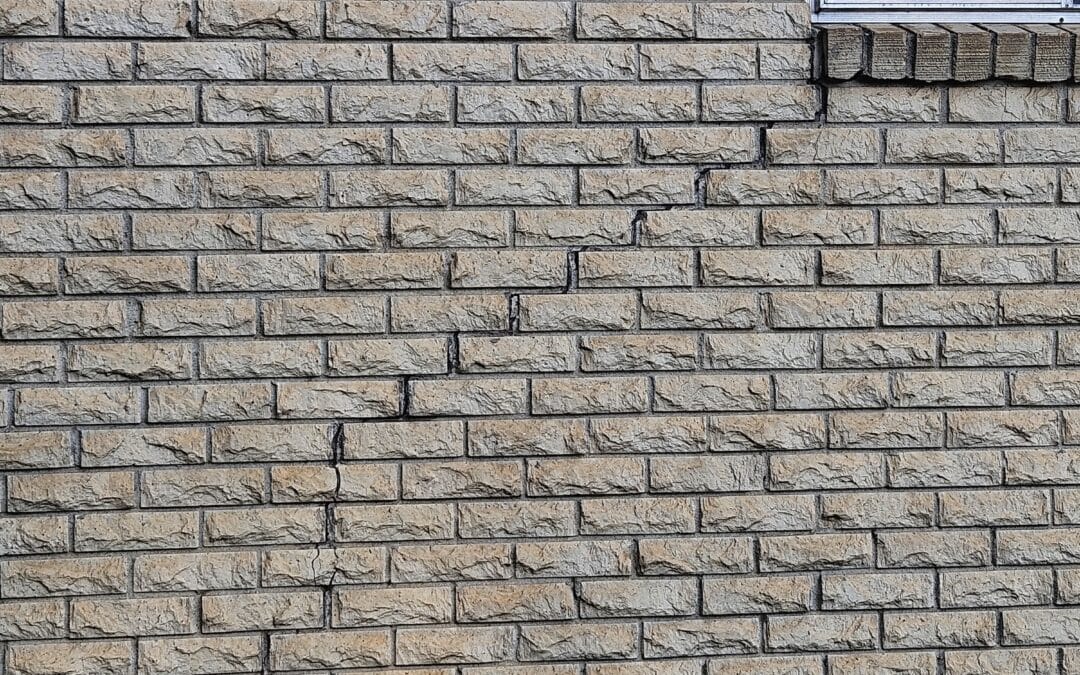
- Exterior brick cracks: Diagonal or stair-step cracks in brickwork are often telltale signs.
- Gaps around trim or crown molding: Separation where walls and ceilings meet can indicate shifting.
Why It Matters
Foundation issues don’t just affect the base of your home—they can impact the entire structure. Left unchecked, shifts can cause water leaks, plumbing breaks, roof misalignment, and even safety hazards. What starts as a hairline crack today can become a costly repair tomorrow.
Preventative Steps Homeowners Can Take
While you can’t change the soil beneath your house, you can take steps to reduce the risks:
- Maintain consistent moisture levels: Avoid letting soil get too dry or too saturated. Regular watering during droughts can help.
- Improve drainage: Make sure gutters are clean and downspouts direct water away from the foundation.
- Be mindful of landscaping: Avoid planting large trees too close to the home.
- Schedule routine inspections: Professional inspections help catch subtle signs of movement before they grow into major problems.
Final Thoughts
Living in East Texas means foundation shifts are something every homeowner should keep on their radar. Staying alert to the signs—and addressing small issues early—can save you money, stress, and bigger repairs down the road.
Do you have questions about your own home’s foundation, or other inspection-related concerns? Let us know! We love helping East Texas homeowners understand their properties and make confident decisions about maintenance and repairs.