

If you are buying or selling a home in Texas, you may be wondering: Do sellers have to fix everything after an inspection in Texas? The answer is no. In most Texas real estate transactions, sellers are not required to repair every issue found during a home inspection. Instead, the inspection report becomes a tool for discussion, negotiation, and better decision-making.
For buyers, sellers, investors, and real estate agents in East Texas, this question comes up all the time. Whether the property is in Longview, Tyler, Marshall, Kilgore, Hallsville, or a nearby community, inspection findings can affect the next step in the deal.
The key is knowing which issues matter most, what buyers can reasonably request, and how sellers can respond.
Do Sellers Have to Fix Everything After an Inspection in Texas?
No, sellers do not have to fix everything after an inspection in Texas unless they agree to those repairs in writing.
A home inspection identifies the condition of the property. It does not automatically require the seller to make repairs. After the inspection, the buyer and seller can negotiate repairs, credits, price changes, or other terms.
According to the Texas Real Estate Commission, during the option period, buyers may complete inspections, negotiate repairs, amend the contract, or terminate the contract if allowed by the agreement. This makes the inspection period one of the most important parts of a Texas home purchase.
For buyers, this is your chance to understand what you are buying. For sellers, it is your chance to decide what you are willing to repair, credit, or negotiate.
Still in your option period? Book your inspection as early as possible so you have time to review, negotiate, and decide. Visit Palmer Inspections to get started.
What Happens After a Home Inspection?
After the inspection, the buyer receives a report that explains the inspector’s findings. This may include photos, summaries, safety concerns, and recommended follow-up items.
Common findings may involve:
- Roof wear or storm damage
- Plumbing leaks
- Electrical issues
- HVAC concerns
- Foundation movement
- Moisture intrusion
- Termite or WDI activity
- Sewer line concerns
- Septic system issues
In East Texas, homes may also face region-specific concerns like humidity, drainage problems, wood-destroying insects, and aging septic systems.
Once the buyer reviews the report, they usually have a few options.
- Move forward without asking for repairs
- Request specific repairs
- Ask for a seller credit or price adjustment
- Terminate the contract if allowed during the option period
A good inspection report does not tell buyers what to do. It gives them the information they need to make a smart decision.
What Repairs Are Sellers Most Likely to Address?
While sellers do not have to fix everything, they may be more willing to address issues that affect safety, function, financing, or insurability.
Major Safety Issues
These may include:
- Exposed wiring
- Missing GFCI protection near water
- Unsafe stairs or railings
- Gas leaks
- Serious structural concerns
Safety issues often carry more weight because they can affect the buyer’s ability to safely occupy the home.
Roof, Plumbing, and Electrical Problems
A leaking roof, active plumbing leak, or outdated electrical concern may become a major negotiation point.
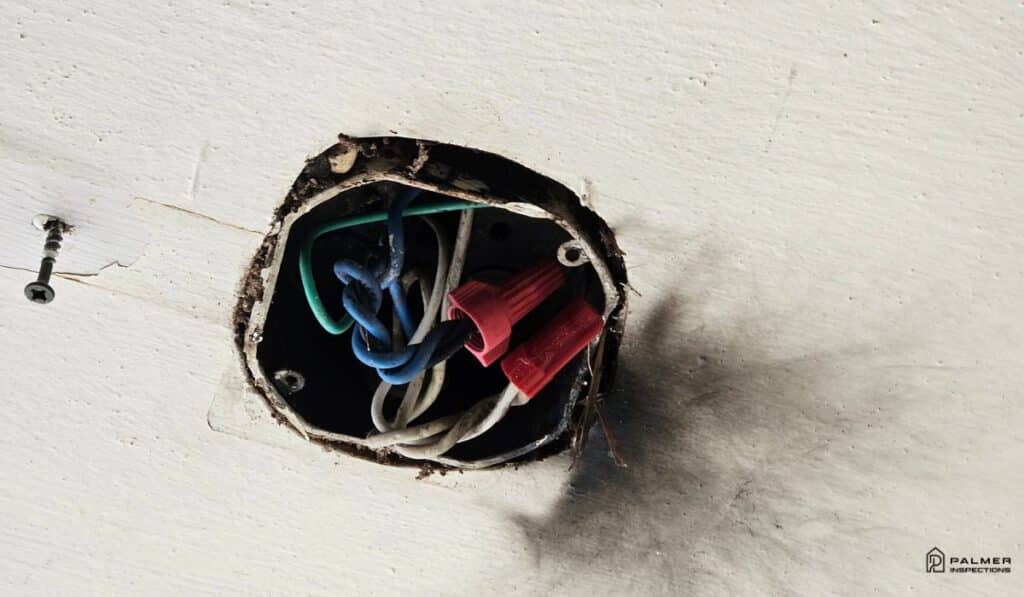
These are not cosmetic complaints. They can lead to larger problems if ignored.
Termite or WDI Concerns
Termite and wood-destroying insect issues are common in warm, humid areas like Longview, Tyler, Marshall, Gilmer, and Henderson.
If a WDI inspection finds active infestation or damage, buyers may request treatment, repairs, or a credit.
Concerned about termites or wood-destroying insects? Learn more about Palmer’s WDI inspections here: WDI Termite Inspections.
Septic or Sewer Issues
Many rural and semi-rural East Texas properties rely on septic systems. A septic issue can be expensive and disruptive, so buyers should take it seriously.
Sewer scope inspections can also uncover root intrusion, damaged lines, or blockages that are not visible during a general home inspection.
Buying a home with a septic system in East Texas? Get clarity before closing with Septic Inspections from Palmer Inspections.
What Repairs Do Sellers Often Refuse?
Sellers are less likely to agree to repair small cosmetic issues or normal wear and tear.
These may include:
- Minor paint touch-ups
- Small drywall cracks
- Worn carpet
- Loose cabinet hardware
- Older but working appliances
- Cosmetic caulking
- Normal aging of systems
For example, an older water heater may still be functioning properly. A buyer may want it replaced, but the seller may not agree unless it is leaking, unsafe, or no longer working.
This is why agents often help clients separate true repair concerns from routine homeownership items.
Should Buyers Ask for Repairs or Credits?
Both options can make sense. The right choice depends on the issue, timeline, and buyer preference.
Ask for Repairs When:
- The repair affects safety
- The lender may require it
- The problem needs to be corrected before move-in
- The seller has access to qualified contractors
- The repair is simple and clearly defined
Ask for Credits When:
- You want control over the repair quality
- You prefer choosing your own contractor
- The repair may delay closing
- There are several smaller items
- The seller is unwilling to coordinate repairs
A credit can be useful, but buyers should talk with their lender and agent first. Not all credits are handled the same way in a real estate transaction.
Not sure what the inspection report really means? Palmer Inspections can help you understand the home’s condition before you make your next move. Explore Home Inspections in East Texas.
What Buyers in East Texas Should Watch Closely
Homes in Longview, Tyler, Marshall, Kilgore, Lindale, Mineola, Bullard, Hallsville, White Oak, Gladewater, and surrounding communities can vary widely in age, construction type, and maintenance history.
Pay close attention to:
Moisture and Drainage
East Texas weather can create drainage problems around foundations and crawlspaces. Standing water, poor grading, and moisture intrusion can lead to bigger concerns over time.
Foundation Movement
Some movement is common, but significant cracks, sticking doors, uneven floors, or drainage problems may require further evaluation.
Termite Activity
Termites are a real concern in East Texas. Buyers should not ignore signs of wood damage, mud tubes, or previous treatment evidence.
Older Systems
Older HVAC, plumbing, roofing, and electrical systems are common in established neighborhoods. Age alone does not always mean failure, but it helps buyers plan for future costs.
What Sellers Should Know Before Listing
Sellers do not have to wait for the buyer’s inspection to discover problems.
A pre-listing inspection can help sellers:
- Identify issues before the home goes under contract
- Decide which repairs are worth making
- Price the home more accurately
- Reduce last-minute negotiation stress
- Build buyer confidence
This can be especially helpful for older homes in Marshall, Overton, New London, Tatum, Harleton, Big Sandy, Winona, Arp, Chandler, and other East Texas communities.
If you know about issues before listing, you can address them on your timeline instead of under contract pressure.
What Agents Should Tell Clients
Real estate agents play a major role in keeping inspection negotiations calm and realistic.
For buyers, agents can explain that the inspection report is not a repair list for the seller. It is a condition report.
For sellers, agents can help determine which requests are reasonable and which may be excessive.
A strong agent helps both sides stay focused on the big picture:
- Is the home safe?
- Are there major defects?
- Could the issue affect financing or insurance?
- Is the repair request reasonable for the age and price of the home?
- Does the buyer still want the property?
Clear communication can keep a deal from falling apart over minor items.
Do New Construction Homes Need Inspections?
Yes. New homes should still be inspected.
Even new construction homes can have issues, including:
- Improper grading
- Missing insulation
- Plumbing leaks
- Electrical defects
- HVAC installation concerns
- Roof flashing problems
- Incomplete finish work
A new construction inspection gives buyers another layer of protection before closing. It also helps builders correct issues while the home is still fresh.
What If the Seller Refuses to Make Repairs?
If the seller refuses repairs, the buyer still has options depending on the contract and timing.
The buyer may:
- Accept the property as-is
- Ask for a price adjustment
- Request a seller credit
- Walk away during the option period if allowed
This is why timing matters. Buyers should schedule inspections early, review the findings quickly, and work with their agent before deadlines pass.
Schedule your East Texas home inspection with Palmer Inspections so you have clear information before important deadlines. Visit Palmer Inspections Home Inspection Services.
Conclusion
So, do sellers have to fix everything after an inspection in Texas? No. The inspection report does not force the seller to repair every defect. It gives buyers, sellers, and agents a clearer understanding of the property so they can negotiate wisely.
For buyers, the goal is not to demand a perfect house. It is to understand the major issues before closing. For sellers, the goal is to respond strategically and keep the transaction moving. For agents, the goal is to help clients stay focused on what matters most.
In East Texas, where homes may face termite activity, moisture concerns, older systems, septic issues, and rural property conditions, a thorough inspection can make a real difference.
Get a clearer picture before you buy, sell, or negotiate. Palmer Inspections provides detailed, photo-rich reports for buyers, sellers, investors, and agents across Longview, Tyler, Kilgore, Hallsville, White Oak, Gladewater, Marshall, Henderson, Lindale, Mineola, Bullard, and surrounding East Texas areas.
FAQ: Do Sellers Have to Fix Everything After an Inspection in Texas?
Are sellers required to make repairs after a home inspection in Texas?
No. Sellers are generally not required to make repairs unless they agree to them in writing as part of the contract negotiation.
Can buyers negotiate after the inspection?
Yes. Buyers can usually ask for repairs, credits, or price adjustments after reviewing the inspection report, especially during the option period.
What repairs are most important after an inspection?
Safety issues, roof leaks, plumbing problems, electrical hazards, active termite concerns, septic problems, and major structural defects usually matter most.
Can a buyer walk away after the inspection in Texas?
If the buyer is still within the option period and has the right to terminate under the contract, they may be able to walk away. Buyers should confirm deadlines with their agent.
Should sellers get a pre-listing inspection?
Yes, many sellers benefit from a pre-listing inspection because it helps them find issues early and avoid surprises during buyer negotiations.