
The biggest red flags that can kill a real estate deal in East Texas are usually the issues that create major cost, safety, financing, or insurance concerns. Foundation movement, septic failure, termite damage, roof problems, unsafe electrical systems, plumbing defects, and moisture intrusion can all turn a promising contract into a stressful negotiation or a canceled deal.
If you are buying in Longview, Tyler, Marshall, Kilgore, Hallsville, White Oak, Gladewater, Lindale, Henderson, or surrounding East Texas communities, the inspection period is your chance to slow down and understand the property before closing. Texas buyers often use this time to inspect the home and negotiate repairs or amendments based on the findings.
For buyers, sellers, investors, and agents, the goal is not to panic over every defect. The goal is to know which issues are normal maintenance items and which ones could change the deal.
If you are already under contract, a professional home inspection can help you make a clear decision before your option period runs out. Palmer Inspections offers detailed East Texas home inspections here: Palmer Inspections Home Inspections.
Biggest Red Flags That Can Kill a Real Estate Deal in East Texas
Some inspection findings are simple repairs. Others raise bigger questions about safety, repair costs, insurability, or long-term value.
Here are the red flags most likely to create serious concern.
1. Foundation Problems
Foundation movement is one of the most stressful inspection findings for East Texas buyers. Our region’s clay soils, moisture changes, and seasonal rainfall can all affect how a home settles over time.
Common warning signs include:
- Cracks in interior walls or exterior brick
- Doors and windows that stick
- Sloping or uneven floors
- Gaps around trim, ceilings, or exterior walls
- Previous foundation repairs with limited documentation
A small crack does not always mean the house is failing. But major movement can lead to expensive repair estimates, lender concerns, and buyer hesitation.
For first-time buyers, foundation issues can feel overwhelming because it is hard to know what is serious. For investors, foundation repairs can destroy a renovation budget. And for the agents, foundation findings often require calm communication and expert follow-up.
2. Septic System Failure
Many properties outside city limits in East Texas rely on septic systems. That makes septic inspections especially important in rural areas around Gilmer, Diana, Harleton, Big Sandy, Tatum, Winona, Arp, and similar communities.
A septic issue can kill a deal because repairs may be costly, messy, and time-sensitive.
Watch for:
- Sewage odors
- Slow drains
- Standing water near the drain field
- Alarms on aerobic systems
- Missing maintenance records
- System components that are damaged or inaccessible
A failed septic system can also create health concerns and lender complications. For buyers relocating from larger cities, septic systems may be unfamiliar, so a clear inspection report matters.
If the property has a septic system, do not treat it like a minor add-on. Schedule a septic inspection early so there is time to review findings and negotiate if needed. Palmer Inspections provides certified septic inspections across East Texas: Septic Inspections in Longview, TX and East Texas.
3. Termite or Wood-Destroying Insect Damage
East Texas is a high-concern area for termite activity because warm, humid conditions can support wood-destroying insects. Termite damage can be hidden behind walls, under floors, or in crawlspaces.
Red flags include:
- Active termite tubes
- Damaged wood framing
- Soft or hollow-sounding wood
- Previous treatment with no records
- Moisture conditions that attract insects
Termite findings can be especially important for VA, FHA, and lender-driven transactions. Palmer Inspections notes that WDI reports are commonly needed for buyers, sellers, refinancing, and lender requirements in East Texas.
A termite issue does not always end the deal. But active infestation, structural damage, or unclear treatment history can quickly make buyers reconsider.
For buyers and agents working against a closing deadline, a fast WDI inspection can help keep the transaction moving. Learn more here: WDI Termite Inspections.
4. Roof Damage or an Aging Roof
Roof problems are one of the most common deal stressors because they affect insurance, repair costs, and water intrusion risk.
Common roof red flags include:
- Missing shingles
- Storm damage
- Granule loss
- Active leaks
- Poor flashing
- Soft decking
- A roof near the end of its service life
In East Texas, heavy rains and storms can expose weak spots quickly. A roof that looks acceptable from the ground may have problems that only show up during a closer inspection.
For sellers, an aging roof can lead to last-minute repair requests. For buyers, it can affect insurance quotes and future maintenance costs. And for the investors, a roof replacement can change the numbers overnight.
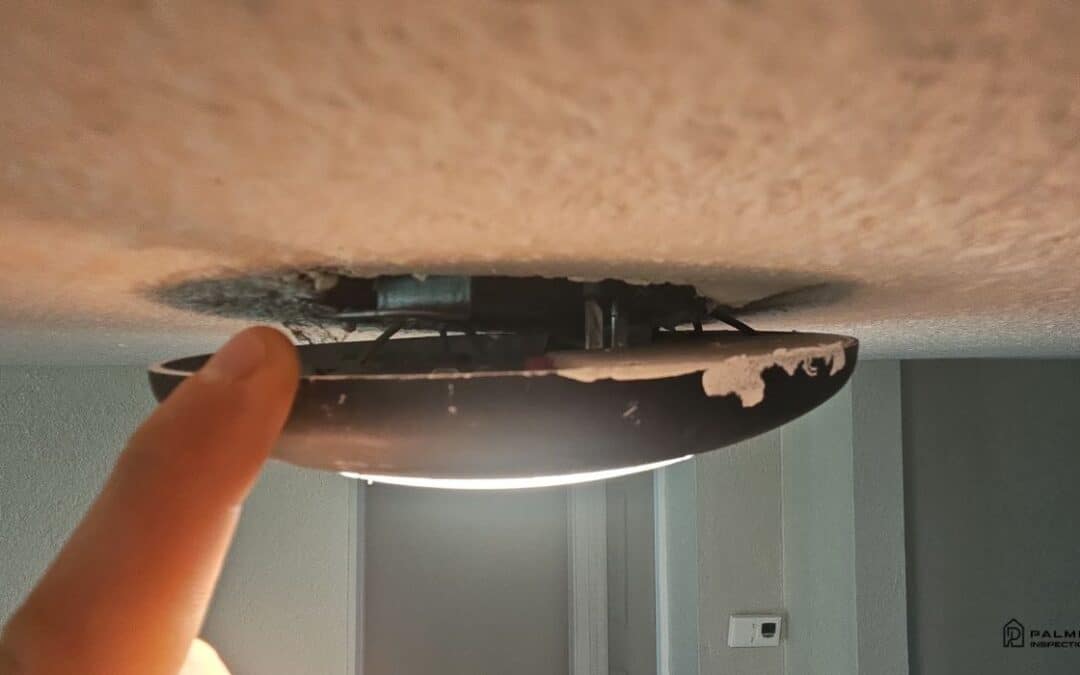
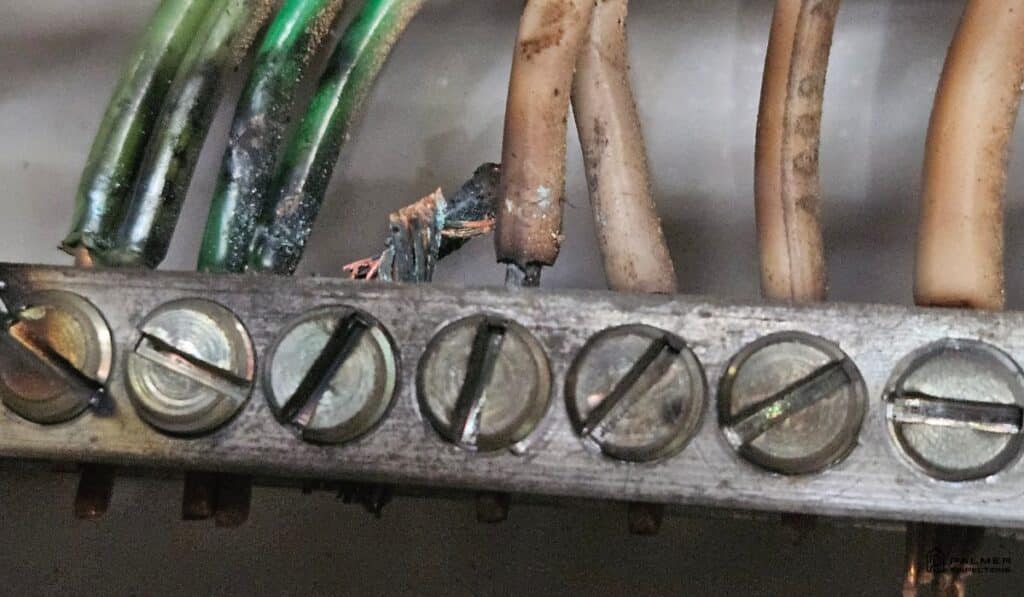
5. Electrical Safety Hazards
Electrical problems can become deal killers when they create fire or shock hazards. These issues are especially common in older homes, additions, DIY remodels, and properties that have been used as rentals.
Potential concerns include:
- Exposed wiring
- Double-tapped breakers
- Overloaded panels
- Unsafe electrical repairs
- Missing GFCI protection in wet areas
- Outdated panels or components
- Open junction boxes
Some electrical repairs are simple. Others require a licensed electrician and can cost much more than expected.
Buyers should pay attention to safety-related findings, not just cosmetic issues. Agents should also help clients understand when an electrical issue may need further evaluation.
6. Plumbing Leaks and Sewer Line Problems
Plumbing problems can be easy to underestimate until they lead to water damage, mold, or major repair costs.
Common red flags include:
- Active leaks under sinks
- Corroded supply lines
- Poor water pressure
- Slow drains
- Evidence of past leaks
- Stains around toilets, tubs, or ceilings
- Sewer line blockages or root intrusion
Older homes in Marshall, Henderson, Mineola, Tyler, and Longview may have aging plumbing components. Rural homes may also have unique drainage or wastewater concerns.
A sewer scope inspection can be helpful when there are signs of drain problems, mature trees near sewer lines, or an older plumbing system. It gives buyers more information before they commit to the property.
7. Moisture Intrusion, Mold Concerns, and Poor Drainage
Moisture is one of the biggest hidden threats in East Texas homes. Humidity, rainfall, drainage problems, and crawlspace conditions can all contribute to damage over time.
Look for:
- Musty odors
- Water stains
- Soft flooring
- Moisture around windows or doors
- Poor grading around the foundation
- Crawlspace dampness
- Damaged siding or trim
- Mold-like growth
Moisture issues matter because they often connect to other problems. A drainage issue can affect the foundation. A roof leak can damage framing. A plumbing leak can create mold concerns.
For buyers, the key question is not just “Is there moisture?” It is “Where is it coming from, how long has it been happening, and what will it take to fix it?”
8. HVAC Systems Near Failure
East Texas summers are tough on HVAC systems. A weak or aging unit can become a major negotiation point, especially if it is not cooling properly during inspection.
Common HVAC concerns include:
- Poor cooling or heating performance
- Dirty coils
- Damaged ducts
- Aging equipment
- Poor airflow
- Improper installation
- Water around the unit
HVAC replacement can be expensive. If the system is old, poorly maintained, or not functioning properly, buyers may request repairs, replacement, or a price adjustment.
For investors, HVAC issues can affect rental readiness. For sellers, servicing the system before listing may prevent surprises.
9. Poor Repairs, DIY Work, and Unpermitted Additions
Sometimes the problem is not the original house. It is the way repairs or additions were done later.
Red flags include:
- Amateur electrical work
- Poorly framed additions
- Plumbing repairs that do not look professional
- Converted garages with moisture or HVAC issues
- Decks or porches with unsafe construction
- Missing permits or unclear documentation
DIY work does not automatically mean bad work, but it should be evaluated carefully. Buyers need to know whether repairs were done safely and correctly.
Agents can help by encouraging sellers to gather receipts, permits, warranties, and contractor information before listing.
10. New Construction Defects
New homes are not automatically problem-free. A new construction inspection can catch incomplete work, installation errors, drainage issues, roof concerns, insulation gaps, and safety items before closing.
Common new construction findings include:
- Improper grading
- Missing insulation
- HVAC installation issues
- Plumbing leaks
- Poor roof flashing
- Electrical defects
- Incomplete finishes
Buyers in fast-growing areas around Tyler, Longview, Lindale, Bullard, and Chandler should not skip an inspection just because the home is new.
A builder walkthrough is helpful, but it is not the same as an independent inspection.
How Buyers Should Respond to Major Inspection Red Flags
When a serious issue appears in the inspection report, take a step-by-step approach.
- Read the full report before reacting.
- Ask your inspector questions if something is unclear.
- Talk with your agent about your options.
- Get contractor estimates when needed.
- Decide whether to accept, renegotiate, request repairs, or walk away.
Not every red flag kills a deal. Many issues can be resolved with clear communication and realistic expectations.
The Texas Real Estate Research Center explains that the termination option period gives buyers time to do more than a walk-through before fully committing to the purchase. That makes inspections a critical part of the decision process. Texas Real Estate Research Center: Option Period Basics
How Sellers Can Prevent Deal-Killing Surprises
Sellers can reduce risk by addressing known problems before the buyer’s inspection.
Smart steps include:
- Fix active leaks
- Service HVAC systems
- Clean gutters and improve drainage
- Treat known termite issues
- Gather repair documentation
- Consider a pre-listing inspection
A pre-listing inspection can help sellers understand what buyers may discover later. It can also help agents price and market the home more confidently.
How Real Estate Agents Can Help Clients Navigate Red Flags
Agents play a major role in keeping deals calm and productive.
For buyer’s agents, that means helping clients understand which inspection items are serious and which are normal maintenance. For listing agents, it means preparing sellers for possible repair requests before the home goes under contract.
The best agent conversations happen before emotions run high.
Helpful questions to ask include:
- Is this a safety concern?
- Is this a lender or insurance concern?
- Is this a major cost item?
- Does the buyer need a specialist opinion?
- Can this be negotiated reasonably?
Clear expectations can save deals.
Why Local East Texas Inspection Experience Matters
Homes in East Texas face local conditions that buyers from other markets may not expect. Palmer Inspections notes that homes in this region can be affected by high humidity, expansive clay soils, seasonal temperature swings, and drainage concerns.
That local knowledge matters in places like Longview, Tyler, Kilgore, Hallsville, White Oak, Gladewater, Lakeport, Liberty City, Judson, East Mountain, Diana, Gilmer, Henderson, Marshall, Overton, New London, Tatum, Harleton, Big Sandy, Winona, Arp, Chandler, Lindale, Mineola, Bullard, Hawkins, and nearby areas.
A local inspector understands what commonly shows up in East Texas homes, including:
- Foundation movement
- Drainage issues
- Termite activity
- Septic system concerns
- Crawlspace moisture
- Roof wear from storms and heat
That insight helps buyers make better decisions and helps agents keep clients informed.
Conclusion
The biggest red flags that can kill a real estate deal in East Texas are not always obvious during a showing. Foundation movement, septic issues, termite damage, roof problems, electrical hazards, plumbing defects, moisture intrusion, and poor repairs can all change the direction of a transaction.
But a red flag does not always mean the deal is over. It means you need clear information, realistic repair expectations, and a calm plan.
Whether you are a first-time buyer, investor, seller, or real estate agent, the right inspection gives you clarity when it matters most. If you are buying or selling in Longview, Tyler, Marshall, Kilgore, Hallsville, White Oak, Gladewater, Lindale, Henderson, or surrounding East Texas areas, Palmer Inspections can help you understand the property before you make your next move.
Schedule or learn more at Palmer Inspections.
FAQ:
What is the biggest inspection red flag for East Texas buyers?
Foundation movement, septic failure, termite damage, and roof problems are among the biggest concerns. These issues can involve major repair costs and may affect financing, insurance, or buyer confidence.
Can a buyer back out after a bad home inspection in Texas?
During the option period, buyers often have the ability to inspect the property and negotiate repairs or amendments based on inspection findings. Buyers should review their contract and speak with their real estate agent for guidance.
Are termite inspections important in East Texas?
Yes. East Texas conditions can make termite and wood-destroying insect activity a serious concern. A WDI inspection can help identify active or previous damage before closing.
Should sellers get a pre-listing inspection?
A pre-listing inspection can be a smart move. It helps sellers identify issues before buyers do, reduce surprises, and prepare for smoother negotiations.
Do new construction homes need inspections?
Yes. New homes can still have incomplete work, installation mistakes, drainage problems, roofing issues, or safety defects. An independent inspection helps buyers catch concerns before closing.