
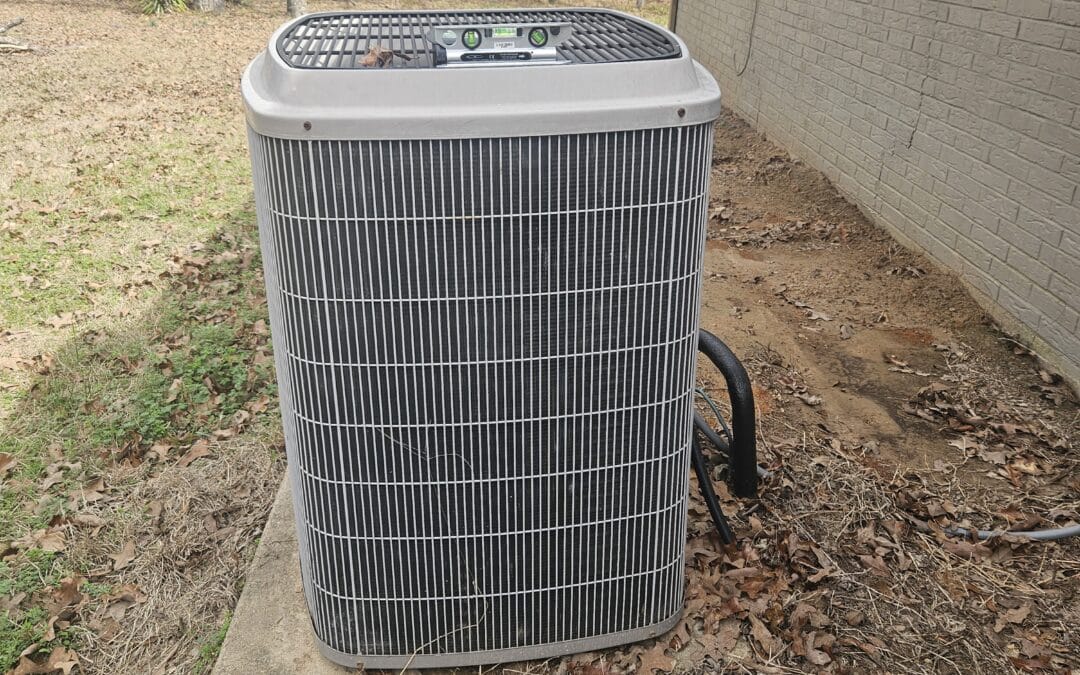
If you’re buying or selling a home in Longview, Tyler, Marshall, Kilgore, Henderson, or surrounding East Texas communities, the air conditioning system is one of the most important components of the entire property.
And that’s not just about comfort.
In East Texas, where summer temperatures regularly climb into the 90s (and stay there), your air conditioning system isn’t a luxury — it’s essential infrastructure. So when a home inspector evaluates a property, the HVAC system receives careful, methodical attention.
In this guide, we’ll walk through exactly:
- What inspectors look for in an air conditioning system
- What’s considered normal vs. concerning
- Common HVAC issues in East Texas homes
- How inspection findings can impact negotiations
- What buyers and sellers should know before inspection day
Let’s break it down in simple, practical terms.
Why the Air Conditioning System Matters So Much in East Texas
Before we talk about inspection specifics, it helps to understand why HVAC systems carry so much weight locally.
In East Texas:
- High humidity increases system strain
- Long cooling seasons mean extended run times
- Pine needles, leaves, and yard debris affect outdoor units
- Clay soils can shift pads and foundations
- Older homes may have aging ductwork
Because of this climate and environment, even a well-maintained system can show wear faster than in milder regions.
That’s why a thorough air conditioning inspection in Longview, TX focuses on performance, safety, installation quality, and visible signs of deferred maintenance.
What Inspectors Look For in an Air Conditioning System
Home inspectors perform a visual and operational evaluation of the HVAC system. That means we don’t disassemble sealed components, but we carefully assess accessible parts and test functionality under normal operating conditions.
Here’s what that includes.
1. Outdoor Condenser Unit
The condenser unit (the large metal unit outside the home) is where heat is released.
Inspectors evaluate:
- Proper clearance around the unit
- Pad stability and levelness
- Physical damage to fins or coils
- Signs of rust or corrosion
- Refrigerant line insulation condition
- Electrical disconnect safety
- Debris accumulation
Why Clearance Matters
In wooded areas around Longview and Kilgore, it’s common to see:
- Leaves packed against the coils
- Shrubs growing too close
- Soil erosion around the pad
Restricted airflow can:
- Reduce cooling efficiency
- Increase energy bills
- Shorten compressor lifespan
If the unit isn’t level due to soil movement (common in East Texas clay soils), that’s also documented.
2. System Operation and Temperature Differential
An inspector will operate the system (weather permitting) and measure:
- Air temperature at supply registers
- Return air temperature
- Temperature differential (∆T)
In most properly functioning systems, the temperature difference between return and supply air is typically around 14–22 degrees Fahrenheit under normal conditions.
If the differential falls outside that range, it could indicate:
- Low refrigerant
- Dirty evaporator coil
- Airflow restriction
- Aging components
It’s important to understand this is not a full HVAC diagnostic — but it gives valuable insight into system performance at the time of inspection.
3. Evaporator Coil and Air Handler (Interior Components)
Inside the home (often in the attic, closet, or garage), inspectors check:
- Air handler condition
- Rust or corrosion
- Drain pan condition
- Condensate drain line function
- Signs of moisture concerns
- Air filter condition
Condensate Drain Lines in East Texas
Because of high humidity, condensate lines are especially important here.
Clogged lines can cause:
- Water overflow
- Ceiling staining
- Damage to insulation
- Conditions conducive to microbial growth
We look for proper drainage and any visible signs of backup or previous overflow.
4. Ductwork and Air Distribution
Ductwork is often overlooked, but it plays a major role in comfort and efficiency.
Inspectors check:
- Detached or crushed ducts
- Missing insulation
- Improper connections
- Air leaks at plenum connections
In older East Texas homes, it’s common to see:
- Aging flexible ducts
- Improvised repairs
- Sections resting directly on attic insulation
Poor ductwork can lead to:
- Uneven cooling
- Higher energy bills
- Excess humidity indoors
5. Electrical Components and Safety
Safety always comes first.
Inspectors evaluate visible:
- Breaker sizing
- Disconnect boxes
- Wiring condition
- Proper bonding and grounding (where visible)
Loose connections or improper installations can create both performance issues and safety risks.
6. Age of the System
The age of the air conditioning system matters.
Most residential AC systems last:
- 10–15 years on average
- Possibly longer with excellent maintenance
In East Texas, extended cooling seasons may reduce lifespan slightly.
If the system is near or past typical service life, the report may recommend:
- Budgeting for replacement
- Further evaluation by a licensed HVAC contractor
Age alone doesn’t mean failure — but it’s important context for buyers.
Common Air Conditioning Issues Found in East Texas Homes
Every region has patterns. In the Longview area, some of the most common HVAC-related findings include:
🌿 Debris and Airflow Restrictions
Pine needles and leaves packed into condenser coils.
🧱 Settled or Tilted Pads
Shifting soil causes units to sit unevenly.
💧 Condensate Drain Clogs
Especially during peak humidity months.
🧰 Deferred Maintenance
Dirty filters, corroded components, worn insulation.
🔄 Aging Systems
Homes built in the early 2000s often have systems nearing replacement age.
None of these automatically “fail” a home inspection — but they do provide important insight for buyers and sellers.
What an Inspection Does NOT Include
For clarity (and to reduce surprises), home inspections:
- Do not perform refrigerant pressure testing
- Do not disassemble sealed components
- Do not guarantee future performance
- Do not provide HVAC repair estimates
If concerns arise, further evaluation by a licensed HVAC specialist may be recommended.
This layered approach protects everyone involved in the transaction.
How HVAC Findings Affect Real Estate Transactions
Air conditioning findings can impact:
- Repair negotiations
- Seller concessions
- Buyer budgeting decisions
- Closing timelines
For example:
- A dirty unit may simply need servicing.
- An aging system may lead to a negotiated credit.
- A non-operational unit typically requires licensed repair before closing.
Clear documentation empowers buyers and sellers to make confident decisions — which is exactly what a home inspection is designed to do.
Should Sellers Service the AC Before Listing?
In many cases, yes.
A professional HVAC tune-up before listing can:
- Improve performance readings
- Prevent small issues from appearing larger
- Reduce negotiation friction
- Show proactive maintenance
In competitive East Texas real estate markets, preparation often leads to smoother closings.
What Buyers Should Pay Close Attention To
When reviewing your inspection report, focus on:
- System age
- Temperature differential
- Drain line condition
- Visible corrosion
- Recommendations for further evaluation
Ask questions. A good inspector welcomes them.
Understanding the HVAC system today helps you avoid uncomfortable surprises in July.
Simple Maintenance Tips for East Texas Homeowners
Even after inspection, routine care matters.
Here are practical steps:
- Replace filters every 1–3 months
- Keep 18–24 inches of clearance around the outdoor unit
- Gently rinse condenser coils (with power off)
- Schedule annual HVAC servicing
- Keep drain lines clear
Small habits extend system life significantly.
The Bigger Picture: Peace of Mind in a Hot Climate
When temperatures climb in Longview, Tyler, and surrounding communities, air conditioning isn’t optional.
A thorough HVAC evaluation helps ensure:
- Reliable performance
- Safe operation
- Informed decision-making
- Reduced risk of unexpected expenses
And in East Texas heat, that peace of mind matters.
Supporting You With Clear, Actionable Information
At Palmer Inspections, we believe inspections should empower you with clear information — not confusion. Our goal is simple: provide comprehensive knowledge so you can move forward with confidence.
We proudly serve Longview and surrounding East Texas communities with detailed, technology-supported home inspections designed to elevate your experience.